Expanding Healthy Families Indiana to Reach Rural Households
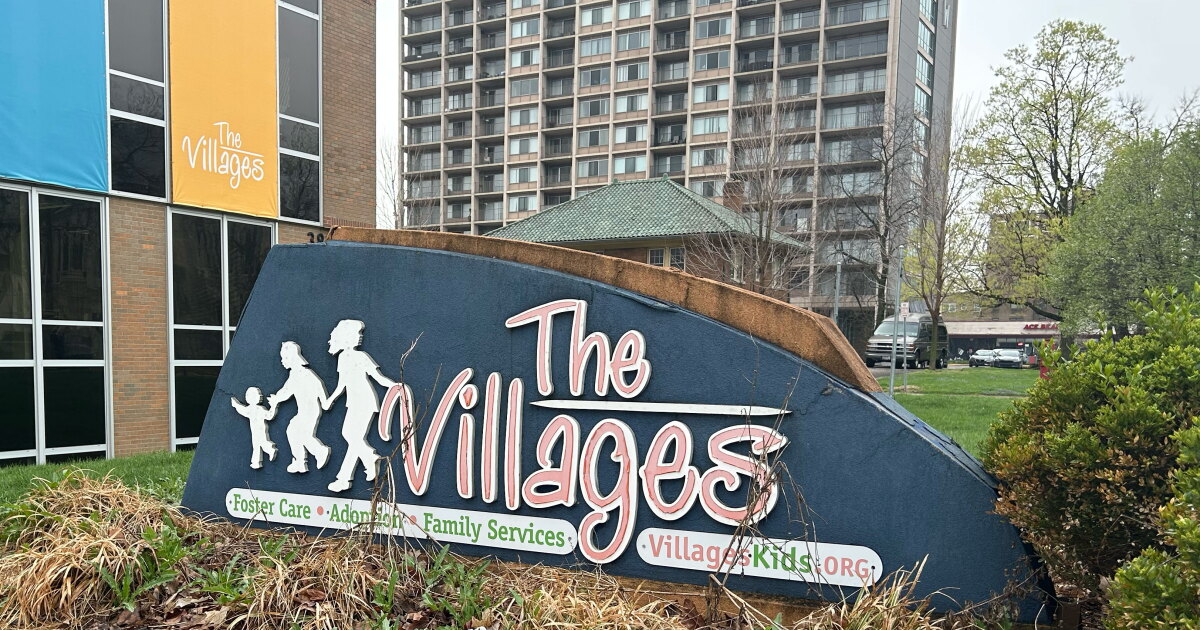
The Villages of Indiana is significantly scaling up its operations, stepping into the role of the state’s largest provider for child and family services. As of November 2026, the nonprofit is expanding its home-based support programs into nine additional counties, bringing its total footprint to 20 counties across the state. This move is designed to stabilize the Healthy Families Indiana program, a voluntary, no-cost initiative that provides home visits for expecting and new parents, ensuring the program remains operational in all 92 of Indiana’s counties by filling vacancies left by former providers.
The expansion is backed by a four-year, $34 million investment from the Indiana Department of Childhood Services. Beyond simply maintaining coverage, this funding aims to reach an additional 475 families in the coming year, providing support that spans from prenatal care to guidance on housing, employment, and mental health.
For many families in rural parts of the state, the logistical hurdle of accessing care has historically been a barrier to entry. Rachel Colclazier, a senior director at The Villages of Indiana, emphasizes that the program’s design is centered on removing these physical obstacles. “This allows us as home visitors to come directly to the families, and so we don’t have to ask families to spend gas money to come and visit us. We are meeting them where they are,” Colclazier noted.
Addressing the Youth Mental Health Crisis
The influx of resources extends beyond early childhood support. The Indiana Youth Institute has awarded The Villages of Indiana $500,000 over three years, funded through a Lilly Endowment initiative, specifically to bolster youth mental health services statewide. This infusion of capital arrives at a time when the data on adolescent well-being in Indiana remains stark. According to the 2023 Youth Risk Behavior Survey from the Indiana Department of Health, 47% of youth reported feeling sad or hopeless, and the average rate of reported suicide attempts among surveyed students reached 15.7%.
Bridging the gap between a student in need and a qualified professional is the primary challenge for the state’s behavioral health system. Shannon Schumacher, President and CEO of The Villages of Indiana, points out that the issue is not just about the availability of care, but the specialization of that care.
Once you do access the services, oftentimes it is not with a specialized mental health professional that understands trauma of youth, depression in youth, anxiety in youth. CEO Shannon Schumacher
To address this, the organization is pivoting toward telehealth models. By leveraging digital platforms, the nonprofit aims to connect youth in underserved areas with clinicians who have specific expertise in adolescent mental health. Schumacher argues that this approach aligns with the digital habits of the current generation, noting that research supports the efficacy of virtual behavioral health services for this demographic.
The Economic and Social Stakes
The shift toward virtual care and expanded home visits represents a deliberate strategy to meet families in their own environments. However, the reliance on nonprofit providers to fill state-wide service gaps raises questions about the long-term sustainability of these programs once grant cycles conclude. While the current $34 million investment provides a runway for the next four years, the state’s ability to maintain these services relies on the continued effectiveness of these public-private partnerships.
For the families involved, the stakes are immediate. The program serves as a safety net for parents navigating the complexities of early child-rearing and for teenagers struggling with the rising pressures of mental health instability. Whether this model of rapid, grant-funded expansion can effectively reduce the rates of youth hopelessness and suicide attempts in Indiana remains the most pressing metric for the initiative’s success. As the state moves into the next year of implementation, the focus will remain on whether these interventions can keep pace with the demand for specialized care in communities that have long been left behind by traditional brick-and-mortar providers.
Related reading
Providence Hospitals Implement Visitor Restrictions Amid Respiratory Illness Rise
Providence Hospitals Restrict Visitors Amid Respiratory Illness Surge Patients and their families in eastern Washington face new hurdles...

SF Giants Trade Reiver Sanmartin to Nationals for Robert Cranz
Giants Swap Reiver Sanmartin for Prospect Robert Cranz The San Francisco Giants finalized a trade with the Washington...

Oregon Family Reports Alleged Assault Months Before Utah Teen Disappearance
A Community’s Growing Alarm in Huntington When federal authorities finally tracked down and recovered a 17-year-old girl who...

Columbus Crew’s Taha Habroune Named to USMNT U-23 Roster
Taha Habroune Earns U.S. Under-23 Call-Up for November Camp Columbus Crew midfielder Taha Habroune is heading to Spain....