Thomas Marquis was born on December 19, 1869, near Osceola, Missouri.
In 1894, Marquis enrolled at the University Medical College in Kansas City, Missouri. By 1898, he graduated and began practicing medicine throughout Montana.
During World War I, Marquis served with the U.S. Army Medical Corps. After the war ended, he took a position as a government physician on the Northern Cheyenne and Crow Reservations, an assignment that shifted the trajectory of his life.
His medical work with the Cheyenne sparked a deep curiosity about Cheyenne oral history, the Battle of the Little Bighorn, and Lt. Colonel George A. Custer’s defeat. He started keeping a diary to catalogue oral accounts told directly by Cheyenne survivors.
That initial documentation expanded into taking photographs, collecting historical artifacts, and interviewing survivors of the battle. The engagement became the central obsession of his remaining years.
Throughout the 1920s, Marquis wrote and self-published pamphlets featuring a symbolic logo of a half-red and half-blue heart. He coined the phrase “My Heart is Half Indian” to represent his great love and respect for the culture he immersed himself in.
Marquis also authored books based on these oral accounts, including The Cheyennes of Montana, Wooden Leg: A Warrior Who Fought Custer, and Keep the Last Bullet For Yourself. Scholarship surrounding the battle from a Native American perspective was scarce, and his interviews of Cheyenne warriors opened up research opportunities utilized by scholars to this day.
Through these efforts, Marquis became a great friend to the Cheyenne people. On March 22, 1935, he passed away from a heart attack. He is buried at the Custer National Cemetery.
Worth a look
Ho Doping Enhances Multiferroic Properties of BiFeO3 Ceramics
Researchers have identified a way to tune the electrical and magnetic characteristics of bismuth ferrite, a material long...
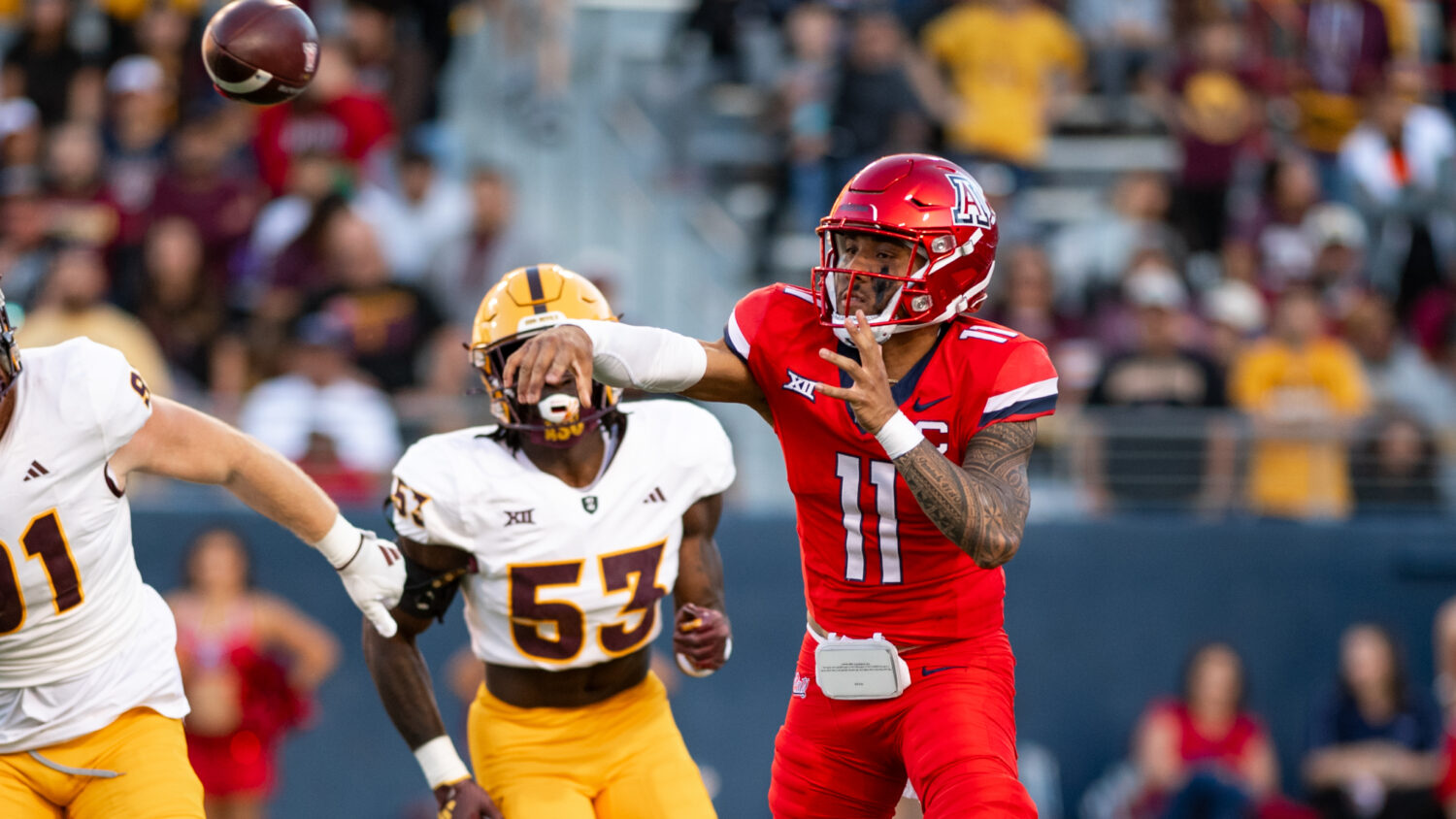
Kenny Dillingham Looks Forward to Noah Fifita’s Senior Night
Arizona State head coach Kenny Dillingham is ready to turn the page on a rivalry that has defined...

Four Pins for West Point Wrestlers and Fairview Earns Madden Seed
Local sports activity increases this week, from Huntsville wrestling to the AHSAA Madden NFL playoffs. As student-athletes across...
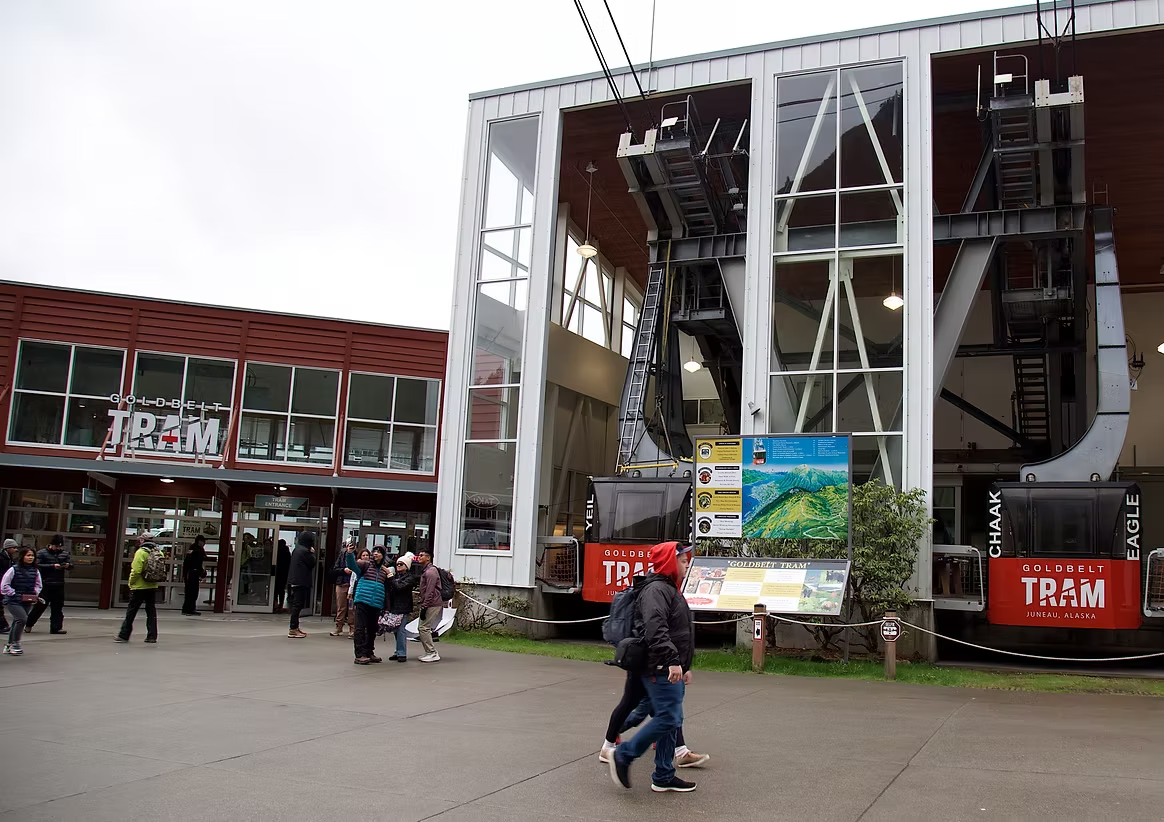
Goldbelt Tram May Not Reopen Until 2028, Debut of Douglas Cruise Port May Be Delayed
The Goldbelt Tram, a fixture of Juneau’s tourism industry, is sidelined as its parent company, Goldbelt Inc., faces...