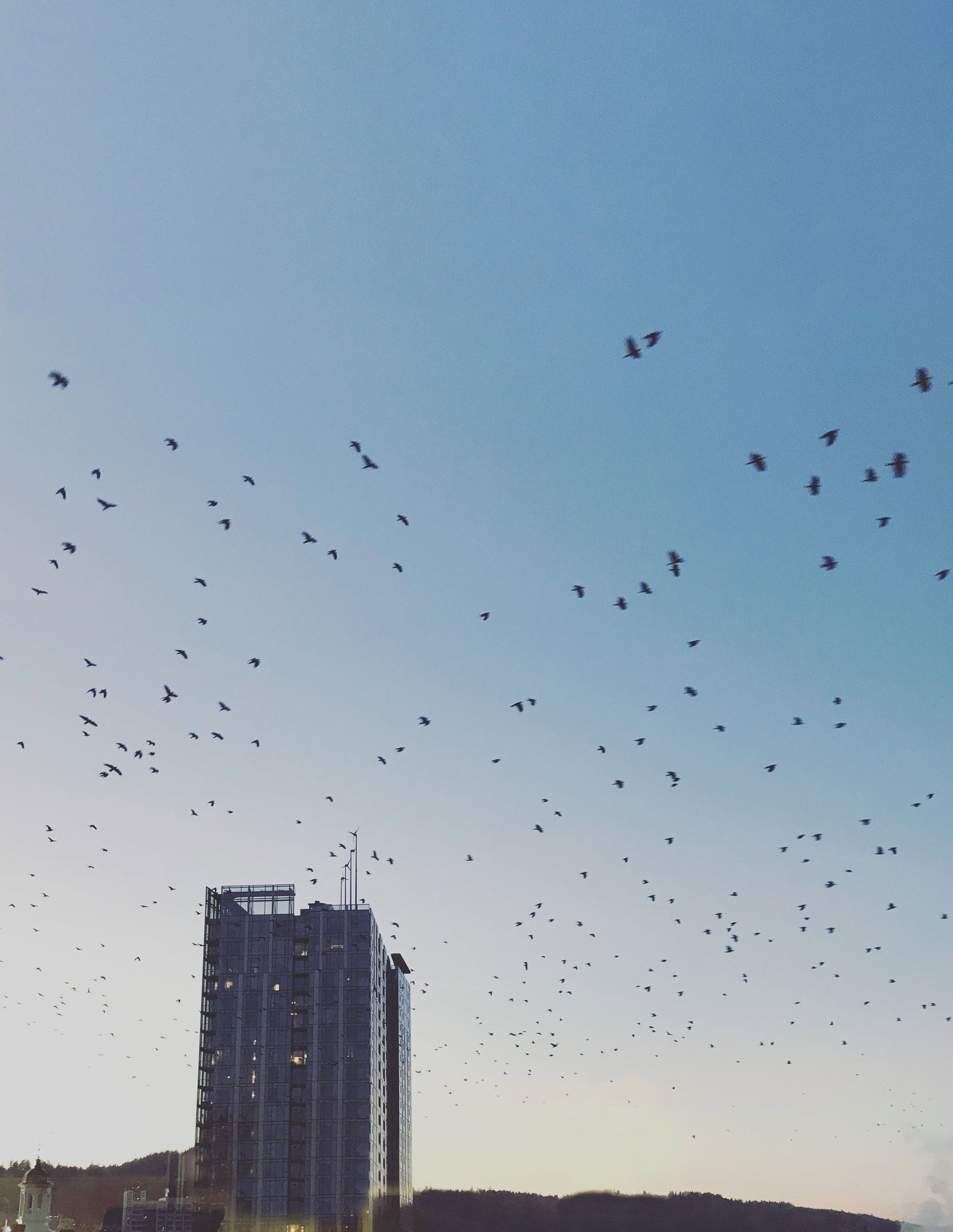
Thousands of crows descend upon downtown Portland every evening as winter approaches.
While these birds disperse across the landscape during the spring and summer to forage and raise young, they increasingly congregate in the central city during the colder months. Recent counts have seen these numbers exceed 20,000 birds, according to a report from Portland Monthly.
The massive seasonal migration creates a significant urban management challenge. The sheer volume of birds results in what the Bird Alliance of Oregon calls “prodigious” levels of fecal matter throughout the downtown core.
Several factors likely contribute to why the city center has become such a concentrated roosting site. The relative warmth of the downtown microclimate, a lack of natural predators, and high levels of ambient light may all play roles in attracting the flocks.
Access to food sources, specifically urban refuse, provides a consistent energy supply for the birds. Additionally, crows may find a higher level of tolerance from urban residents compared to those in rural areas, where the birds might face lethal control measures for feeding on crops.
The social structure of the birds also plays a part in their winter behavior. Crows often gather in smaller pre-roost congregations in trees throughout the city, a phenomenon that resembles a social “happy hour” before the main event.
The city has implemented several strategies to mitigate the impact of the massive flocks on public spaces and infrastructure. When standard cleaning methods failed to keep pace with the accumulation of waste, officials had to escalate their tactics.
Portland previously utilized daily pressure washing and a specialized machine known as the Poopmaster 6000 to combat the mess. However, these mechanical solutions proved insufficient to handle the scale of the problem.
The city eventually turned to biological deterrents by hiring falconers. These professionals use Harris hawks to haze the crows across a 128-square-block abatement area. This method is designed to nudge the birds away from high-traffic zones, such as the transit mall, and toward areas better equipped to handle the waste, like the waterfront.
| Management Tactic | Target Area/Method | Outcome |
|---|---|---|
| Pressure Washing | Downtown surfaces | Insufficient for scale |
| Poopmaster 6000 | Urban walkways | Insufficient for scale |
| Falconry (Harris hawks) | 128-square-block area | Nudges birds toward waterfront |
As the sun sets, the birds transition from their smaller tree congregations into “cacophonous clouds” that converge on the central city.

Wyoming to Retry Adrian Maggos in Attempted Murder Case Following Mistrial
Adrian Maggos, 28, faces a second attempt by the State of Wyoming to convict him of attempted second-degree...
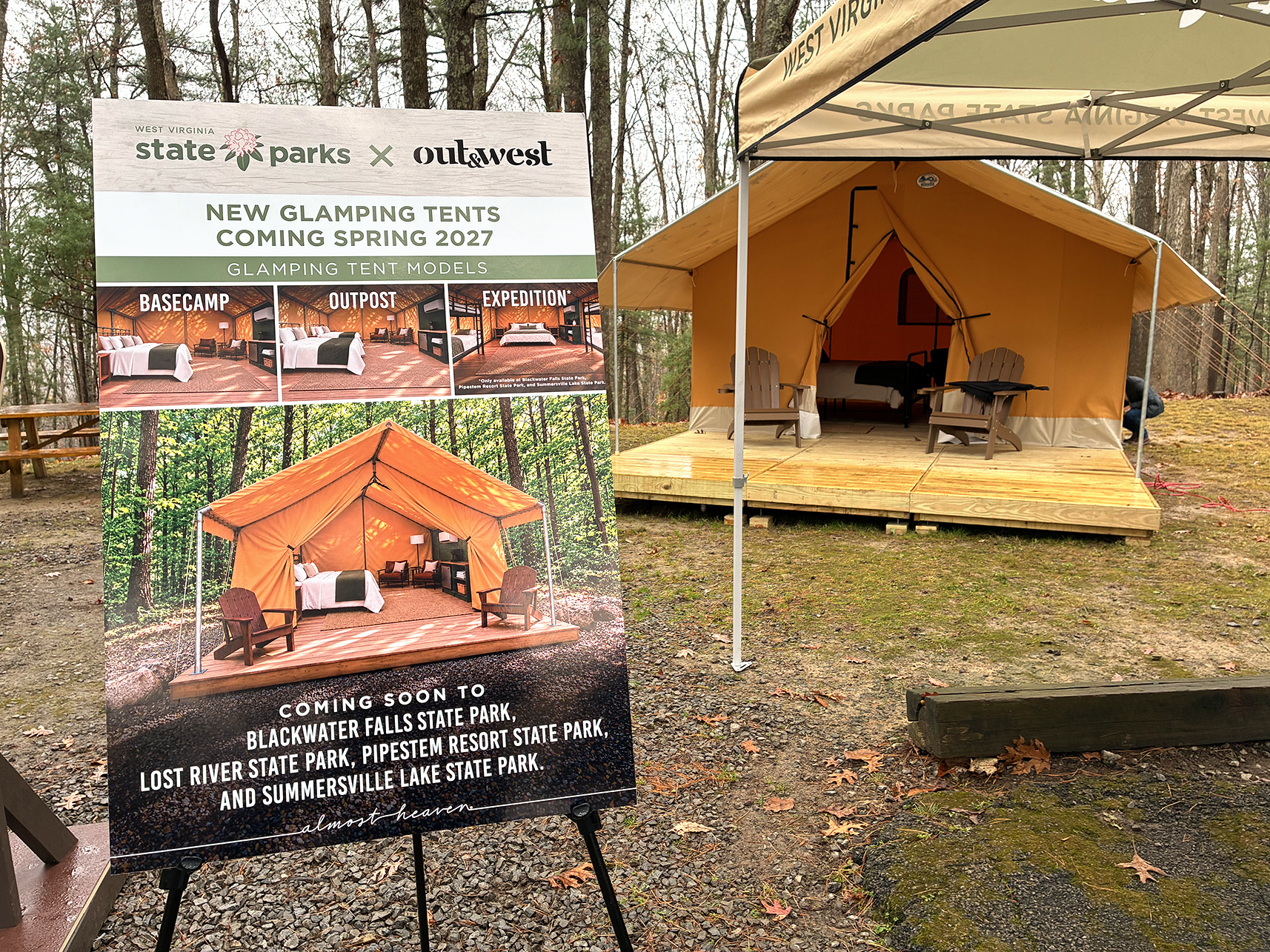
Governor Morrisey Announces Reservations Open for WV Glamping
Governor Patrick Morrisey announced today that reservations are officially open for 32 new glamping accommodations across four West...

2026 Natural Olympia in Las Vegas: Dates, Schedule, and How to Watch
The 2026 Natural Olympia returns to Las Vegas on November 13-14 at the Golden Nugget Hotel & Casino....

Vermont Communities Host Local Holiday Markets to Kick Off Shopping Season
Vermont towns are hosting several free craft markets this Saturday, Nov. 14, to encourage local shopping ahead of...