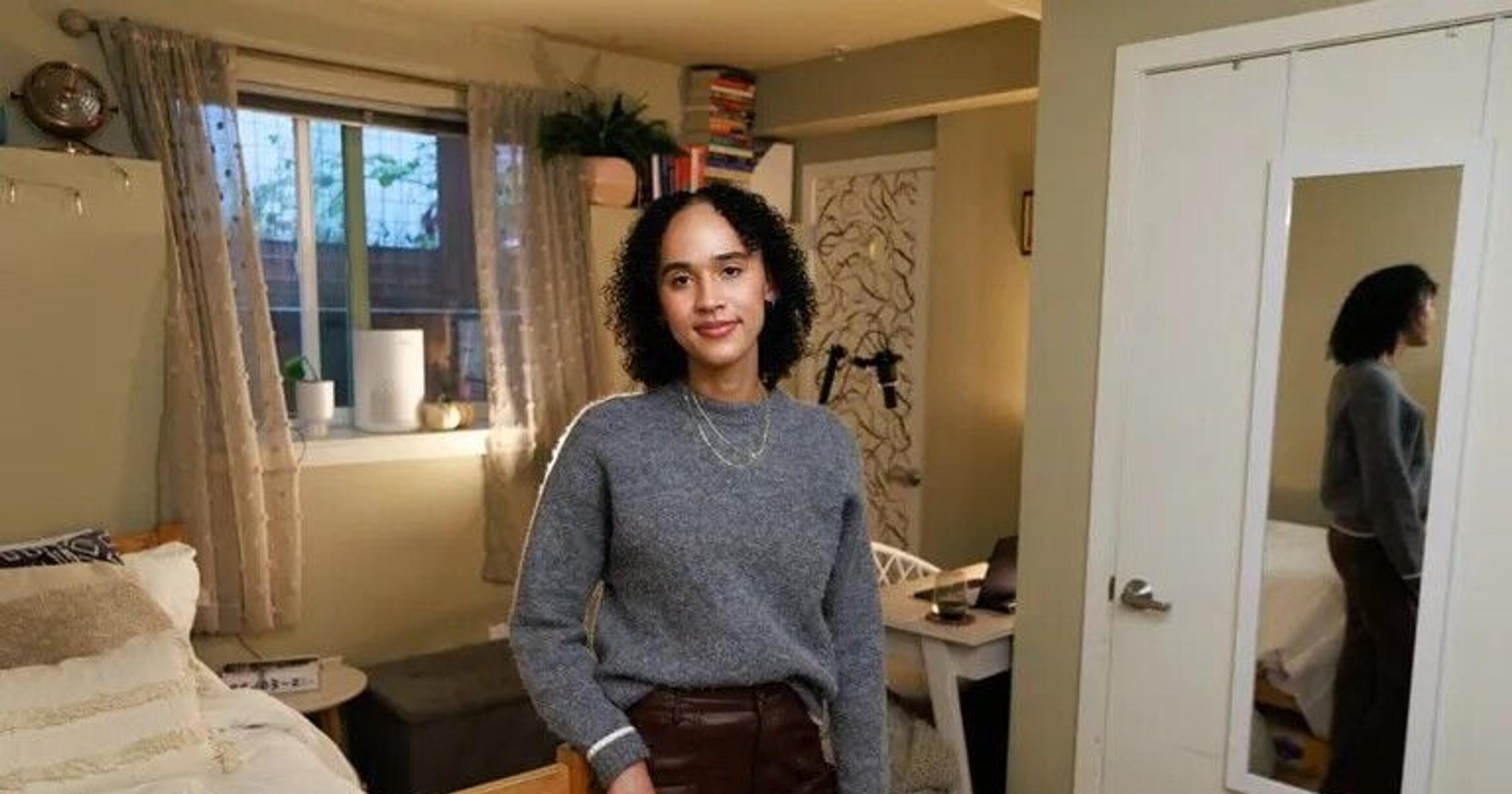
Tiana Cole earned her degree from the University of Washington in 2021 expecting a path to financial stability; five years since graduating, she is still comparing how much it helped her with how much it cost, The Seattle Times reported.
Cole, 27, makes $71,000 — a salary that exceeds what either of her parents ever made. Yet after rent, debt payments and the basics, there is almost nothing left for the future she thought the degree would buy.
Cole’s studio, 225 square feet with a shared kitchen, costs $1,100 a month — up only about $100 in the seven years she has lived there. Her pay covers the rent, but the debt column tells the harder story: student loans and personal debt she is weighed down by.
“I let go of the idea of owning a home,” Cole told The Seattle Times. “I’ve accepted it.”
Since starting her current job in May 2025, Cole has received a 2 percent merit-based raise — $86 every two weeks after taxes. To bridge the gap, she pieces together dog-sitting, freelance writing and speaking gigs for about $6,000 a year — money she treats as discretionary because it isn’t reliable.
“I kind of look at that extra income as money that I can use for some fun things, for hobbies, just to feel a little less stress,” she told the Times. “But it’s not consistent income so I don’t count on it.”
Since the beginning of the year, Cole has applied for about 30 jobs, and she’s either been rejected or ghosted by all of them. Her experience mirrors a broader shift: the unemployment rate for recent graduates aged 22 to 27 has risen above the overall rate since 2023, a reversal of historic patterns, while median wages for young degree-holders have slipped, according to Census Bureau and Bureau of Labor Statistics data.
“I can’t continue to make this salary and survive off of it,” Cole said. She keeps her car, a 2018 Honda Fit, as a last-resort asset she could sell if the numbers finally break.
Cole loves the city, including boxing classes at Nomad, a nonprofit in Ballard. “I want to stay here,” she said. “But I may have to reconsider so that I can actually like build wealth at some point.”
Cole co-hosts the podcast “Identity Unboxed” and is helping put together a Black hair care drive during Black History Month in February — community work that fills the weekends she doesn’t really have.
She keeps applying, keeps side-hustling, keeps waiting for a number that finally works.
Worth a look

Four Men Arrested in Chittenden County Juvenile Sexual Assault Investigation
Four Burlington men were arrested on Thursday in connection with a series of alleged sexual assaults involving juvenile...

Kalamazoo Public Schools Teachers Without Contract Face Bad Faith Bargaining Claims
Teachers in Kalamazoo Public Schools are nearing 100 days of working without a settled agreement after their previous...

UMass Swimming and Diving Day One Results at Terrier Invitational
The University of Massachusetts swimming and diving teams opened competition at the annual Terrier Invitational on Friday evening...

NTSB Says Improper Maintenance Contributed to Kamaka Air 2024 Crash Near Honolulu
“I would never in a million years want this to happen to anybody,” Tamar deFries-Saronitman said, according to...