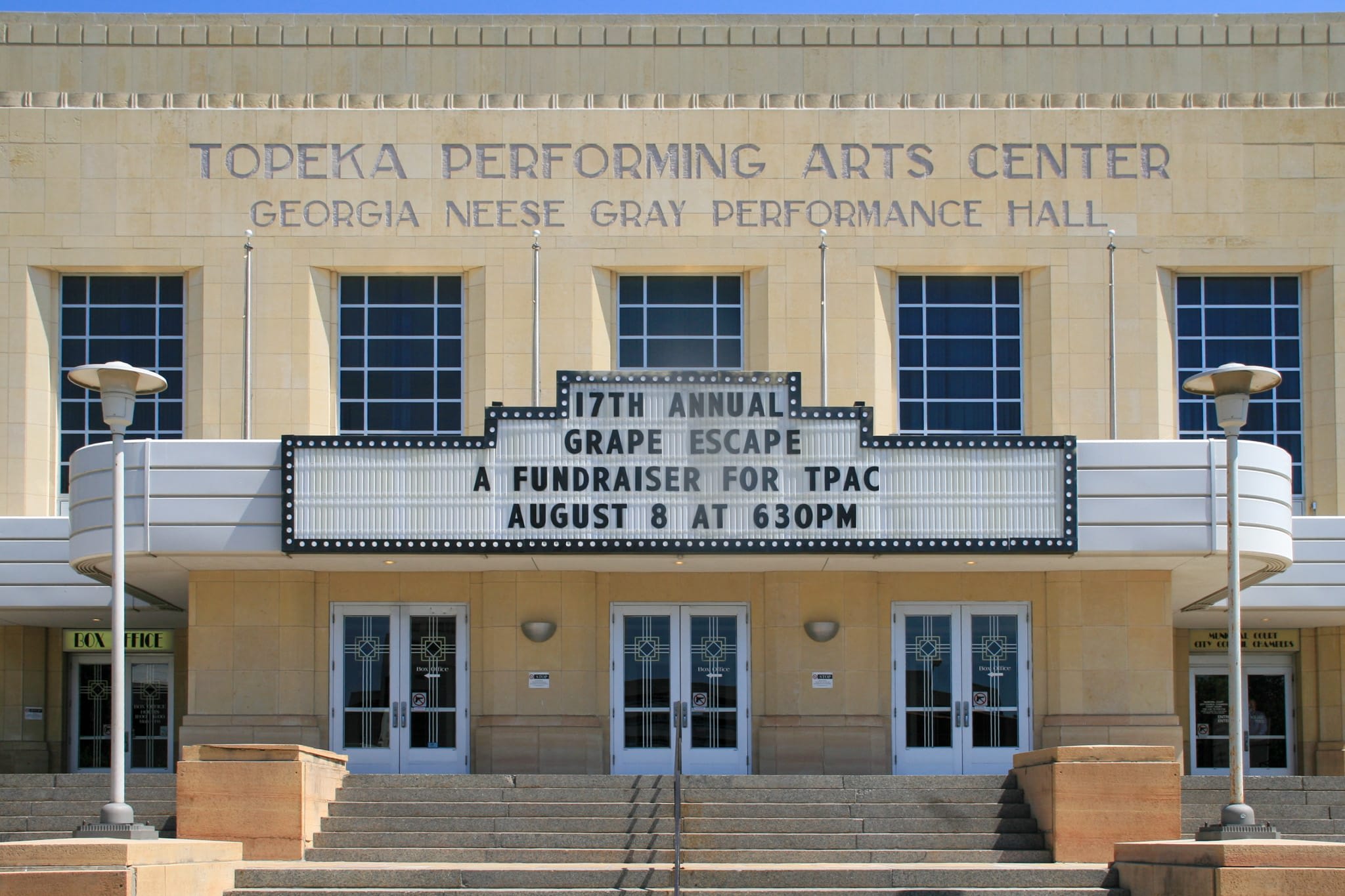
Topeka, Kansas, serves as a living museum where limestone and brick hold the weight of American history.
From the halls of legislative power to the classrooms that changed the course of civil rights, the city’s architecture defines its identity.
These landmarks do more than provide shelter or office space;they act as physical anchors for the community’s heritage and its evolving social values.
The Brown v. The site, which includes the Monroe Elementary School, was established on October 26, 1992, to commemorate the Supreme Court decision that ended racial segregation in public schools.
The school itself is a two-story brick and limestone structure built in the Italian Renaissance Revival style. Its design was intended to reflect progressive educational ideals.
Nearby, the Kansas State Capitol dominates the skyline with its classical influence. Construction on the building began in 1866 and lasted 37 years before it was officially completed in 1903. Designed by Edward Townsend Mix, the structure utilizes Kansas Limestone and draws heavily from ancient Greek and Roman styles.
The land for the capitol was donated by Cyrus K. Holliday, a founder of the Santa Fe Railroad. Today, the building remains the seat of the state’s executive and legislative branches and is recognized as one of the “8 Wonders of Kansas Architecture.”
Topeka’s residential and educational history is etched into the facades of its older districts. The Charles Curtis House, a stately brick mansion, serves as a vital link to the city’s political past. As the former home of Charles Curtis, the first U.S. Vice President of Native American heritage, the house is listed on the National Register of Historic Places.
The house features a blend of Italianate and Queen Anne influences, characterized by asymmetrical facades and decorative brackets. Visitors can tour the museum on Saturdays to learn about the unique legacy of the former Vice President.
Topeka High School offers a striking visual contrast to the state's more modern facilities. Completed in 1931, the school is a premier example of Collegiate Gothic architecture. Its most recognizable feature is a 165-foot-tall Gothic tower, and the design was influenced by historic architectural traditions.
The school was the first million-dollar high school west of the Mississippi River. It also features unique elements like a brick believed to have originated from Rome’s Appian Way.
The city’s connection to the broader American landscape was once defined by the rail industry. The Great Overland Station, built between 1925 and 1927, remains a centerpiece of Topeka’s transportation history. Designed by Gilbert Stanley Underwood, the station features neoclassical architecture and ornate terra cotta ornamentation.
While the last passenger train departed the station in 1971, the building has found new life as a museum and event venue. The station’s Grand Hall, with its soaring ceilings and massive chandeliers, provides a unique atmosphere for weddings and corporate galas.
Topeka’s cultural evolution continued with the development of modern venues for the arts and community gatherings:
- Topeka Performing Arts Center: Originally the Municipal Auditorium built in 1940, this venue showcases Art Deco architecture with streamlined, geometric forms.
- Kansas Museum of History: Completed in 1984, this 30,000-square-foot facility uses limestone cladding to connect its modern, step-back design to the surrounding landscape.
Related reading

Carson City Spa Manager Mark Kana Teruya Arrested for $116,000 Embezzlement
Mark Kana Teruya, a 54-year-old manager of a Carson City hot tub store, was arrested on Oct. 29,...

Post-Baccalaureate and Graduate Teacher Certification Guide | Montana Western
Admitted students entering post-baccalaureate or graduate teacher-certification programs at the University of Montana Western must follow a specific...

Borsheims Reopens Omaha Flagship Store After Major Showroom Transformation
Borsheims has officially reopened its Omaha flagship store at 120 Regency Parkway following a massive renovation that reimagines...

UCLA Bruins Defeat Minnesota 34-20 to Reach 9-0 Milestone
UCLA reaches 9-0 milestone with Minnesota victory The UCLA Bruins secured their first 9-0 start to a season...