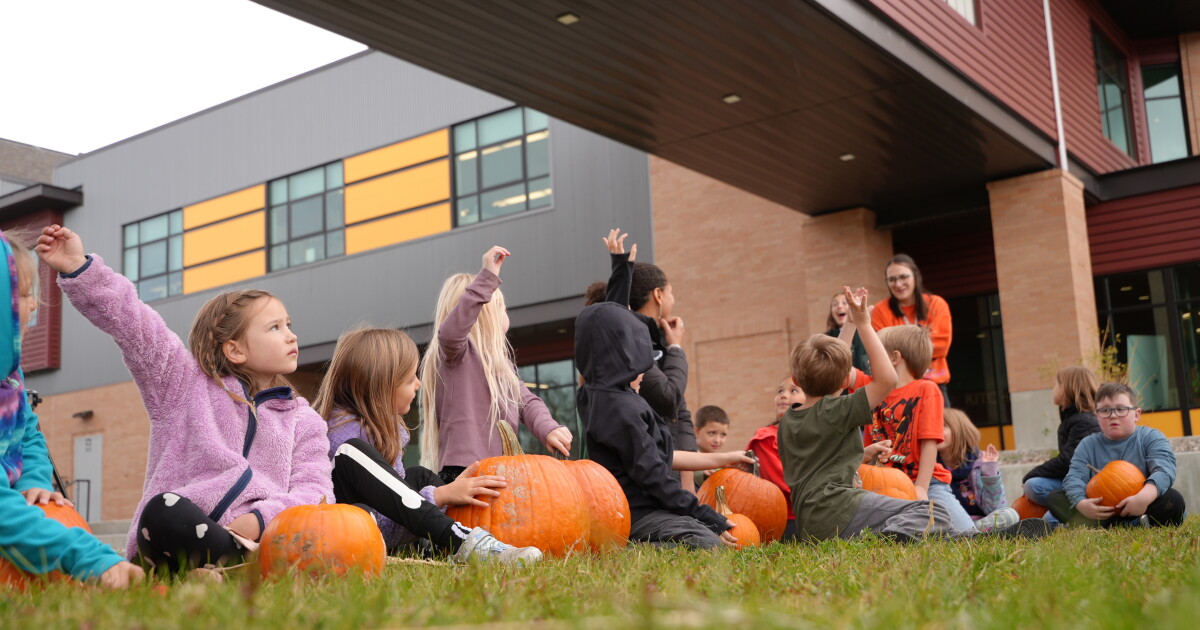
Torgerson’s Equipment delivered pumpkins to every first grader in Helena Public Schools over a two-day period, providing roughly 600 gourds to students to bridge the gap between the classroom and the farm, MTN News reported.
This annual tradition serves as a tactile lesson in agriculture for six- and seven-year-olds who may have little first-hand experience with food production. By placing a physical crop in the hands of every child, the program transforms a seasonal decoration into a primary scientific specimen. For the students, the stakes are simple: the excitement of ownership and the discovery of how a seed becomes a meal.
From Seven Pumpkins to 45,000
The scale of the operation has shifted dramatically over the last two decades. What began as a modest donation of seven pumpkins for first graders in Great Falls has evolved into a statewide logistical effort. Today, the program distributes approximately 45,000 pumpkins to first graders across Montana.
This year, the reach expanded further, with deliveries extending to first graders in East Helena and Montana City. The pumpkins are sourced from Hutterite colonies located outside of Great Falls, ensuring the produce remains local to the region.
“So being able to meet with all the first graders and explain where they come from and give them some of the background on it is, you know, bringing agriculture back into the classroom,” said Craig Widhalm, the office manager for Torgerson’s Equipment.
The Classroom as a Laboratory
The pumpkins aren’t just for porch displays. Educators are using the deliveries to anchor several different learning objectives. Some students will paint or carve their pumpkins, while others will use them for biological study, dissecting the gourds to learn about plant anatomy.
The program also tackles the “where does my food come from” question—a critical gap in modern civic and nutritional literacy. First grader Kannon Schlosser summarized the process as farmers using seeds, water, and sunlight to grow the crop, noting that the pumpkin must be cooked before it can be turned into pumpkin pie.
Jazmyn-Rae Phillips, a first grader, noted her excitement stems from the dual utility of the pumpkin: “You can eat it and carve it.”
Related reading

Akron voters to decide on rental fees and criminal history measures
Akron voters will decide on two ballot measures that would ban rental application fees, allow security deposits to...
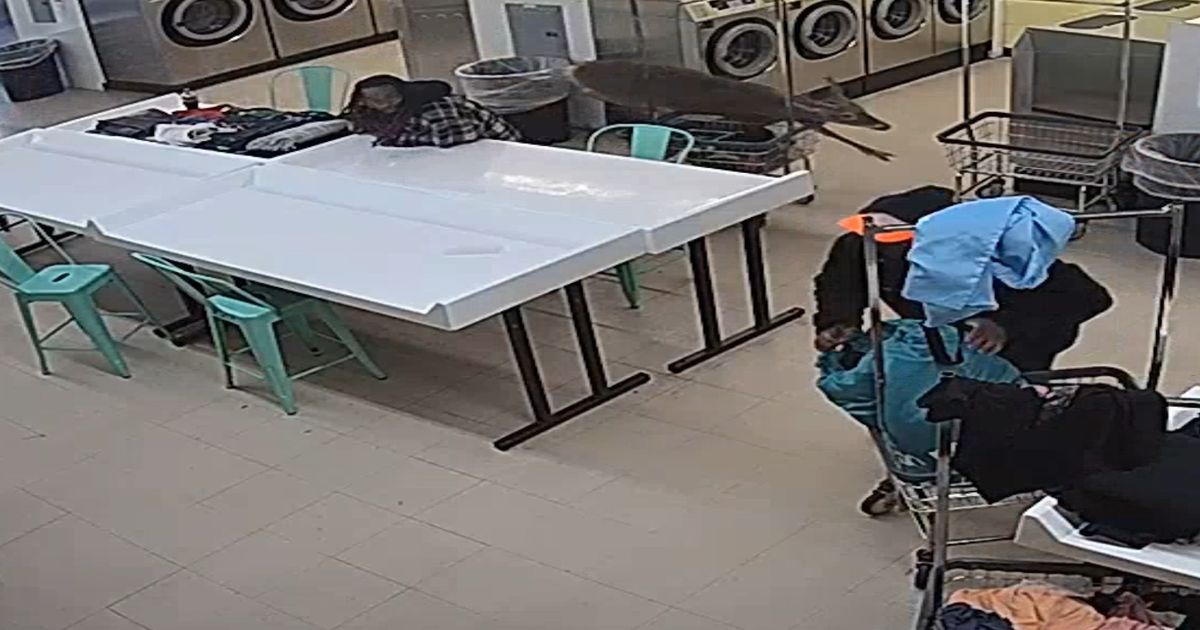
Deer crashes through Winston-Salem laundromat front window
A buck crashed through the front window of the Wishy Washy Laundry on South Main Street in Winston-Salem,...

Oklahoma City Thunder name starters for game against Dallas Mavericks
The Oklahoma City Thunder will start Shai Gilgeous-Alexander, Ajay Mitchell, Jared McCain, Kenrich Williams, and Isaiah Hartenstein tonight...
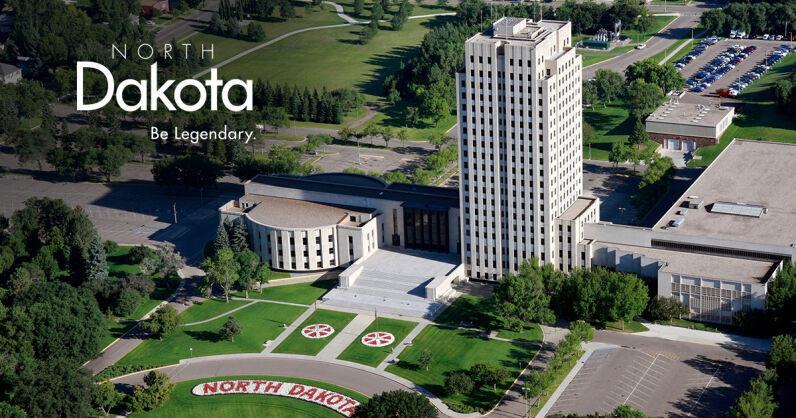
North Dakota DOT offers Uber and Lyft vouchers for safe Halloween rides
The North Dakota Department of Transportation is offering $10 ride vouchers for Uber and Lyft from Oct. 29–31...