
The charter amendment, known as Issue 17, prohibits construction of any data center whose aggregate monthly demand or peak load exceeds 25 megawatts — a threshold applied to the entire campus, not to individual buildings.
Prologis’s Project Mila is designed for 250 megawatts, ten times the new limit, WCPO reported. Voters approved the measure Nov. 3 with 80% in favor and 20% opposed, according to unofficial results from the Butler County Board of Elections.
“Everybody’s just so happy right now that a group of citizens came together, stood up for an issue — Democrats, Republicans alike,” said Barry Blankenship, a Trenton resident who led the effort to put the ban on the ballot. “We stood together and we beat a city.”
“When 80% of Trenton voters overwhelmingly say they don’t want data centers over 25 megawatts, Prologis should respect the will of the people,” said Nick Owens, an attorney with Conserve Ohio representing residents who pushed the measure.
The fine print that matters
Cleveland.com obtained the amendment text published by the Butler County Board of Elections. It defines a data center as one or more buildings, facilities, or infrastructure on a single parcel or on neighboring or otherwise aggregated parcels.
The 25-megawatt threshold covers combined monthly demand or peak load regardless of how many utility feeds serve the site. The prohibition targets construction — including preparatory work, infrastructure, and modifications undertaken for a common purpose — not merely the operation of a finished facility.
The measure calls itself “self-executing” but does not specify when it became legally effective, nor does it expressly revoke previously issued zoning certificates or exempt projects approved before the election.
Nine days after nearly 80% of Trenton voters approved a ban on large data centers, developer Prologis sued to keep its 145-acre project alive. It says it has already spent $42 million. pic.twitter.com/hrbTwKLJQV
What Prologis already had in hand
The city issued a zoning certificate for Project Mila in December 2025, months before residents began circulating petitions. By June 2026, Prologis said it had spent more than $31 million on construction, permits, and design; the company now puts its total investment at $42.3 million. In its federal complaint filed Nov. 12, Prologis argues that applying the new restriction to a project the city already authorized would be unconstitutional.
Residents demand revocation
On Nov. 9, attorneys for Trenton residents formally demanded that the city revoke the zoning certificate, arguing the charter amendment supersedes conflicting zoning provisions. The city responded that it is awaiting certification of the election results by the Butler County Board of Elections and that the matter is now before the federal court. “I have real concerns about whether the city of Trenton will truly defend the charter,” Owens said.

Two other AWS projects loom
The ban’s reach extends beyond Project Mila. A four-building Amazon Web Services data center already under construction in Trenton and a proposed 18-building AWS campus on 600 acres in Madison and St. Clair townships could be affected if that land is annexed into the city. St. Clair Township introduced a zoning amendment to prohibit data centers on Oct. 13; the Butler County Zoning Commission is scheduled to hear it Nov. 10.
A county-wide six-month moratorium covering Madison Township expires in December. “Looking forward, he hopes the ban will keep an 18-building Amazon Web Services data center from developing within the city and could rein in the electric use of a four-building AWS data center already under construction,” the Journal-News reported, citing Blankenship.
Council meets Thursday as legal challenges continue
The city’s regular council meeting is set for Thursday. Residents plan to attend and press officials to defend the charter amendment. Owens said his team is evaluating intervention in the federal case and a mandamus action in state court.
“We do intend to pursue all legal options, including in federal and state,” he told Spectrum News 1. Construction trucks continue to enter the industrial park while the courts sort out whether a voter-approved limit can stop a project that broke ground before the vote.
More on Trenton
Keep reading

Free Community Thanksgiving Dinner Nov. 26 at Belgrade High School Commons
The Belgrade Community Thanksgiving Dinner returns Thursday, Nov. 26, with free sit-down meals from 11:30 a.m. to 1:30...

Columbia Researchers Observe Stellar Merger in Andromeda Galaxy
“We thought it would take centuries for an outburst to happen,” said Nadia Blagorodnova, an assistant professor at...
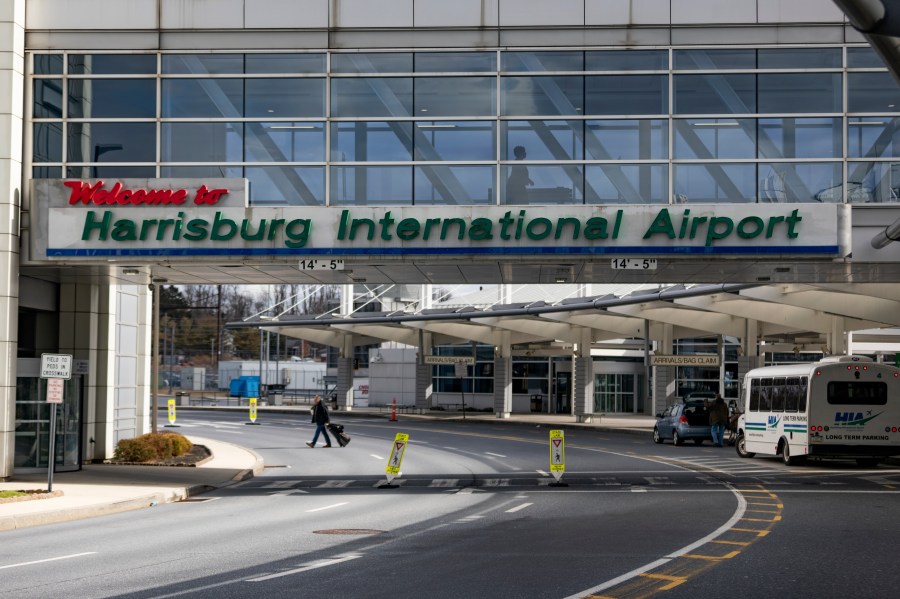
Harrisburg International Airport Could Get Second Hotel as Township Reviews HIA Suites Plans
Harrisburg International Airport could get a second hotel, as the Lower Swatara Township Planning Commission reviews plans on...

Delta Air Lines to End Nonstop Dulles to JFK Service Feb. 10, 2027
Travelers heading between Northern Virginia and New York City will soon lose a direct flight option. Delta Air...