
U.S. District Judge Jill Otake vacated the National Marine Fisheries Service’s certification of the lease sale, ruling the agency “did not even attempt to consider the potential effects of post‑leasing activities” as required by the Endangered Species Act.
The administration proceeded with the sale anyway.
The sale advances the global competition for critical minerals used in batteries, microchips, missiles and power grids.
“Ideally (it would) be tomorrow. (But) that’s not realistic; we all know that we have a lot of mineral dependence.”
Judge voids certification, sale proceeds
Judge Otake agreed, vacating the agency’s certification. The Trump administration went ahead with the sale on Thursday regardless.
American Samoa caught between security claims and local opposition
John Wasko, executive director of the American Samoa Economic Development Council, said the territory is “geographically and logistically positioned to handle that material, refine it” and aims to make American Samoa “into a choke point” for minerals from Pacific island nations and the Clarion‑Clipperton Zone.
American Samoa’s territorial government has called for more research into potential environmental impacts. Its Republican congressional delegate, Amata Coleman Radewagen, has vowed to fight the lease.
“I don’t feel like we’re in a partnership together, right? “It’s sad, given the sacrifice that many Samoans have given to the U.S. government.”
International waters dispute simmers
Washington has begun certifying companies to survey the Clarion‑Clipperton Zone in international waters southwest of Hawaii, though the International Seabed Authority disputes its authority to do so. China, Russia and other nations have their own stakes in the CCZ but have waited for the ISA to establish a legal framework for mining.
Japan plans “a full‑scale mining trial” in 2027 after retrieving seabed mud rich in rare earth materials from depths of nearly 4 miles in February. The U.S. and Japan reaffirmed cooperation on seabed mining this month following the Underwater Minerals Conference in Japan.
Washington has begun certifying companies to survey the Clarion‑Clipperton Zone in international waters southwest of Hawaii, though the International Seabed Authority disputes its authority to do so.
The ISA, established under the 1982 UN Convention on the Law of the Sea (UNCLOS) and its 1994 Agreement on Implementation, authorizes and controls mineral‑related operations in the international seabed area known as “The Area” beyond national jurisdiction, which is designated the “common heritage of all mankind.” Its 36‑member Council, elected by the Assembly of 171 member states plus the European Union, has approved over two dozen exploration contracts in the CCZ since 1994 but has not authorized any commercial mining contracts as it continues deliberating regulations.
Tokuda opposes seabed mining, pushes recycling
“With billions already invested to expand land‑based mining, deep‑sea destruction is an unnecessary risk.”
- Charleston Coliseum Hiring Director of Sales & Marketing for Three Venues; Open Until Feb. 19, 2027
- Virginia Jury Clears ER Doctor in Testicular Torsion Malpractice Suit
- Trump's Beef Quota Filled About 37% in Month One; Ground Beef Fell 13 Cents (daybreakwire.com)
- Trump Informed of Chinese Spy Links to Nvidia Associate, Report Says (archyde.com)

Charleston Coliseum Hiring Director of Sales & Marketing for Three Venues; Open Until Feb. 19, 2027
The Charleston Coliseum and Convention Center is hiring a Director of Sales and Marketing to oversee three venues...
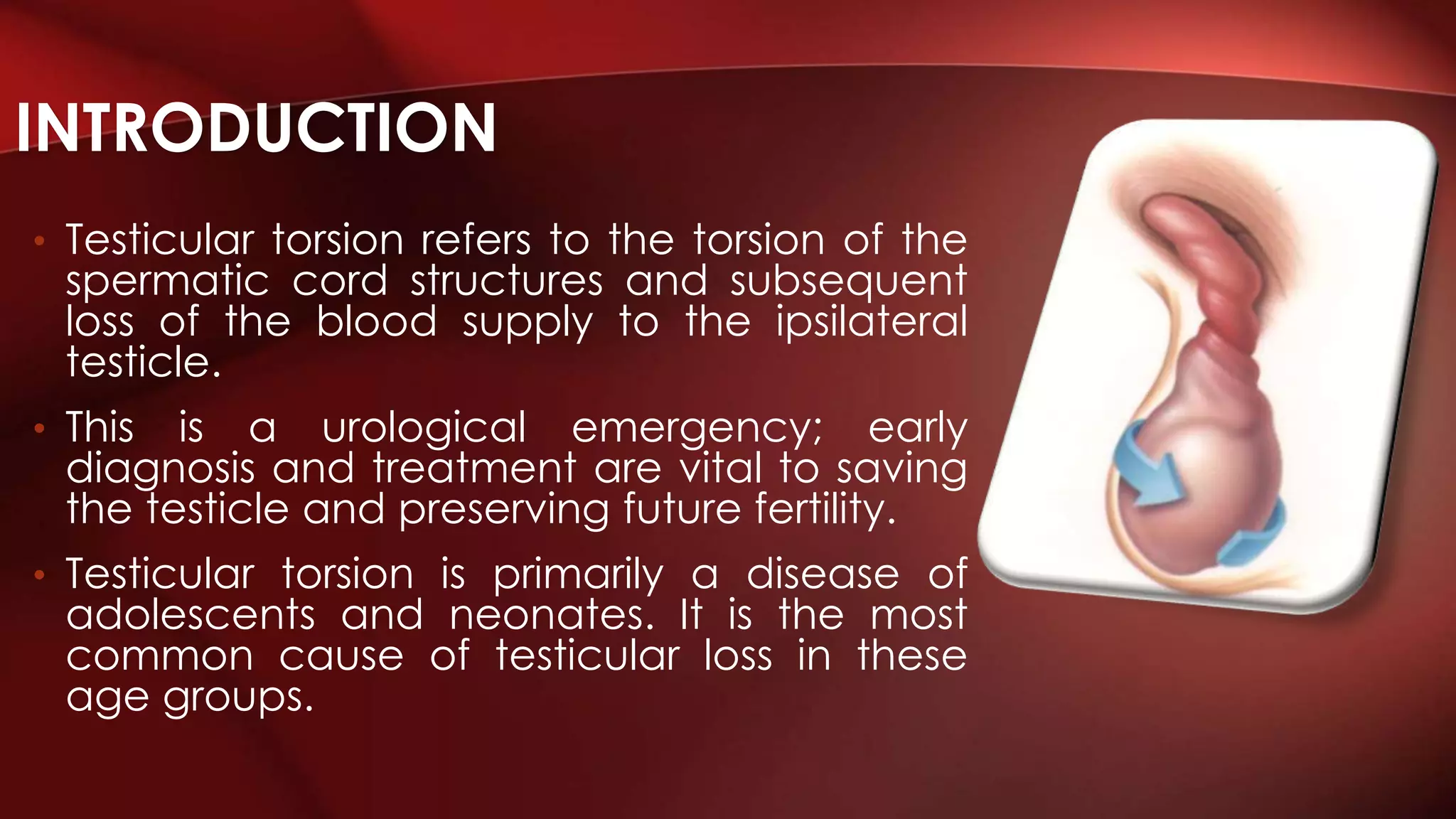
Virginia Jury Clears ER Doctor in Testicular Torsion Malpractice Suit
A Virginia jury deliberated 75 minutes before clearing an emergency physician and his medical group in a malpractice...

NYC Assemblyman Jordan Wright Responds to Lizard People Claims After Viral Clip
Video from Friday’s City Hall press conference showed Wright grinning, blinking and rolling his eyes back. Conspiracy theorists...
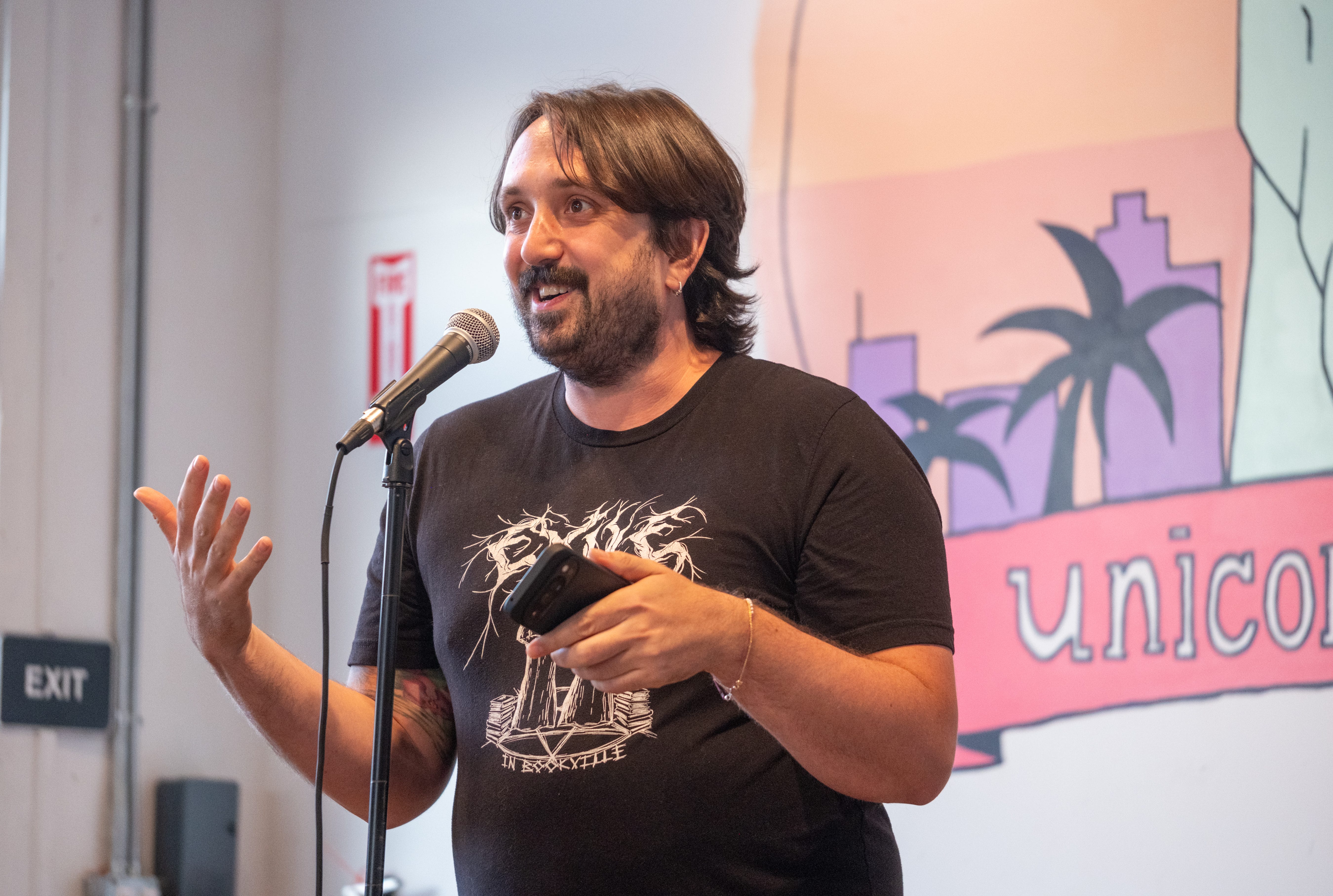
Columbus Monthly: One Weekly Poetry Open Mic Left, Two Monthlies Continue
"You can come, you can go, you can like us, you can hate us. But the idea that...