
“The Trump Administration is once again plotting to undermine our world-renowned system of shared lands and the public processes that guide their management,” said Jackie Feinberg, Sierra Club’s National Lands Conservation Manager, reacting to the Interior Department’s new five-year strategic plan unveiled last week.
The plan, released just days after the midterm elections, directs the Bureau of Land Management to pursue sales and transfers of federal acreage to states, tribes and local governments, framing the goal as a reduction in the “federal estate,” according to the Interior Department. Interior officials offered no specifics on which parcels might be sold, how many acres are in play, or where those lands sit.
Planning rule targets environmental review
Running parallel to the strategic plan, the BLM proposed a sweeping regulatory overhaul on November 9 that would rewrite how the agency plans for 245 million western acres. The rule would eliminate mandatory Environmental Impact Statements for land-use plans, cut the standard 90-day public comment window, and allow the agency to substitute public meetings for written comment periods, the Sierra Club reported.
It also weakens protections for Areas of Critical Environmental Concern — one of the BLM’s primary conservation tools — and creates new “emergency authority” to bypass standard planning procedures.
A 60-day comment period on that rulemaking closes January 9.
Idaho becomes a flashpoint
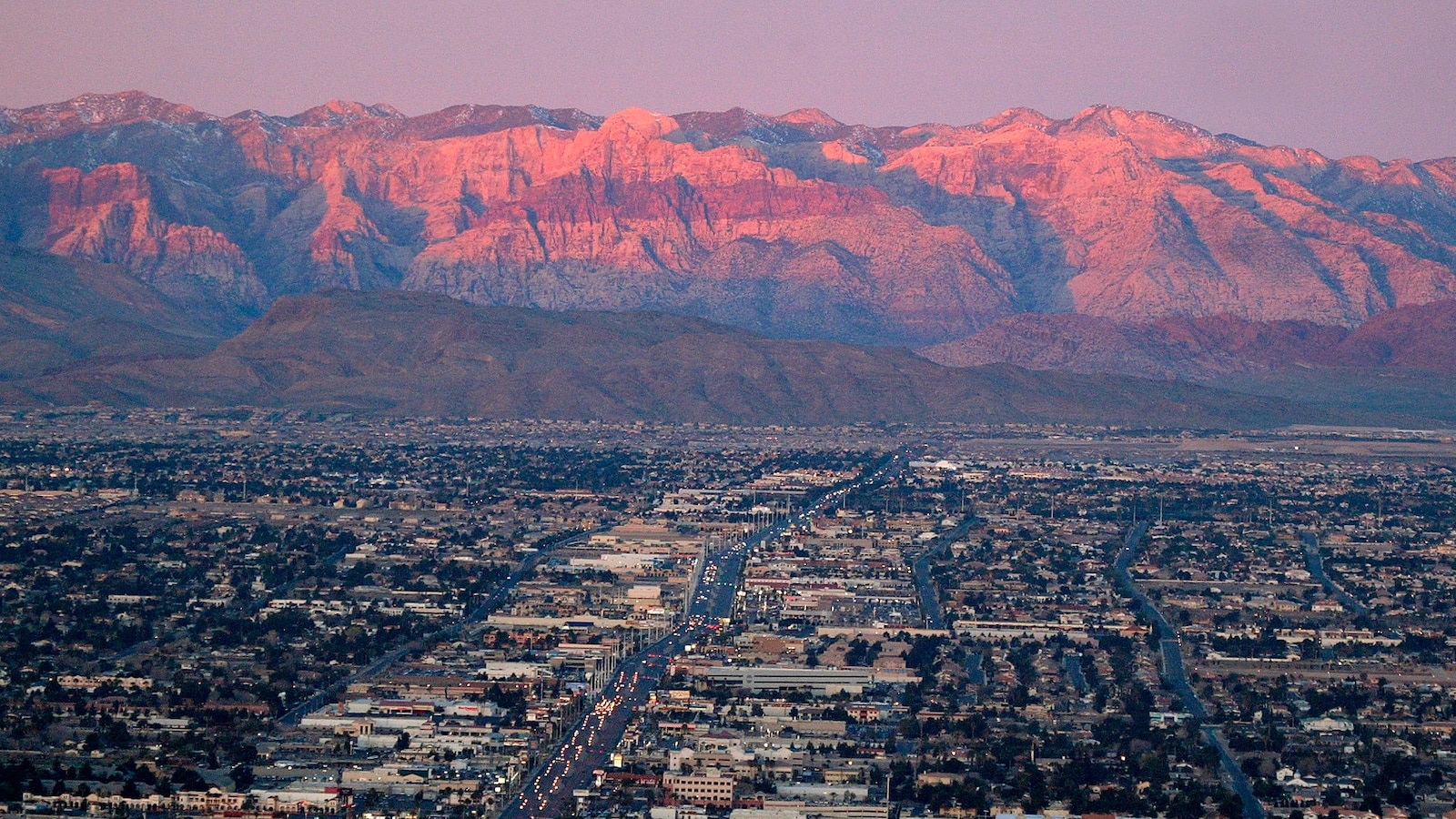
In Idaho, where the federal government manages vast stretches of terrain, the reaction has been immediate. Idaho Democratic Party Chair Lauren Necochea accused Republican leaders of abandoning the state’s tradition of balanced stewardship.
She pointed to Idaho County commissioners who want to strip roadless protections from 1.7 million acres of forest, opening them to commercial logging and road building. Commissioner Skip Brandt has described wilderness as a “land of no use,” a phrase Necochea cited to illustrate the philosophical divide.
Brad Little and Jim Risch have signaled willingness to work with those commissioners, while a proposed data center south of Boise could consume up to 3,700 acres of federal land, the Idaho Democratic Party reported. Necochea also noted Trump’s 2024 request that oil executives contribute $1 billion to his campaign in exchange for regulatory rollbacks.
Republican opposition emerges
Not every Republican is aligned with the administration. Former Interior Secretary Ryan Zinke, now a Montana congressman, said he “remains firmly opposed to the sale or transfer of public lands” and pledged to vote against any enabling legislation before his term ends, according to his office.
Senator Martin Heinrich, the ranking Democrat on the Senate Natural Resources Committee, vowed to fight privatization efforts, saying, “These lands belong to the American people, not private interests looking to cash in. Public lands belong in public hands.”
Similar legislative pushes failed last year when Senator Mike Lee suggested selling more than 2 million acres in Utah and Nevada, an effort that collapsed under bipartisan opposition.
Scale and legal hurdles
The Interior Department oversees more than 750,000 square miles — an area larger than Texas and California combined — along with extensive subsurface mineral reserves. Any large-scale disposal would likely require congressional approval, and future administrations are not bound by the 2026–2030 strategic plan.
The plan also proposes that a portion of any land-sale proceeds return to the buyer for conservation purposes elsewhere, a mechanism critics describe as circular.
Founded in 1892 in San Francisco by preservationist John Muir, the Sierra Club was one of the world’s first large-scale environmental organizations and now operates chapters in all 50 states, Washington, D.C., and Puerto Rico. Its members pioneered the Yosemite Decimal System of climbing and drove much of the early development of American mountaineering, activity centered in the Sierra Nevada range that gave the group its name.
What comes next
State attorneys general are preparing legal challenges, Democratic majorities in Congress have pledged oversight, and six more Democrats in the Idaho Statehouse plan to introduce protective legislation. The BLM planning rule comment period runs through January 9. “We’ll oppose land sales, weakened protections, and sweetheart deals that put private profits ahead of the public good,” Necochea said.
Worth a look
- SFA Erases 12-Point Deficit, Beats Indiana State 86-76 in Paradise Jam
- Columbia Calls Demand to Fire Chiefs in Firefighter Death Suit Egregious
- Tesla Starts Cybercab Sales at $29,990 With $299 Fee; Robotaxi Network Delayed to 2027 (world-today-news.com)
- Trump's Beef Quota Filled About 37% in Month One; Ground Beef Fell 13 Cents (daybreakwire.com)

SFA Erases 12-Point Deficit, Beats Indiana State 86-76 in Paradise Jam
Stephen F. Austin erased a 12-point deficit and beat Indiana State 86-76 on Friday in the Paradise Jam...
Columbia Calls Demand to Fire Chiefs in Firefighter Death Suit Egregious
City officials broke their silence Monday, calling settlement demands "egregious" after the Irmo Fire District offered to drop...

Carson City Casino Dealer Dianna McMurtry Dies at 83
An obituary published by Carson Now this week marks the passing of Dianna Rae McMurtry, a lifelong Nevadan...

TurboTenant Analysis Reframes Landlords as Customer Service Agents
Seventy percent of the nation's rental properties are owned by individual investors, not corporations, The Oxford Eagle reported,...