
Iraqi Prime Minister Ali al-Zaidi moved to seize federal control of oilfields and border crossings in the semi-autonomous Kurdistan region on November 24, drawing strong backing from Washington as Baghdad cracks down on multi-billion-dollar smuggling networks and Iran-backed armed groups.
The federal push aims to stem decades of illicit oil flows, recover billions in lost state revenue, and enforce state authority over national borders. The measures have triggered an immediate political showdown with Erbil, uniting Kurdish parties against federal overreach just days before scheduled talks.
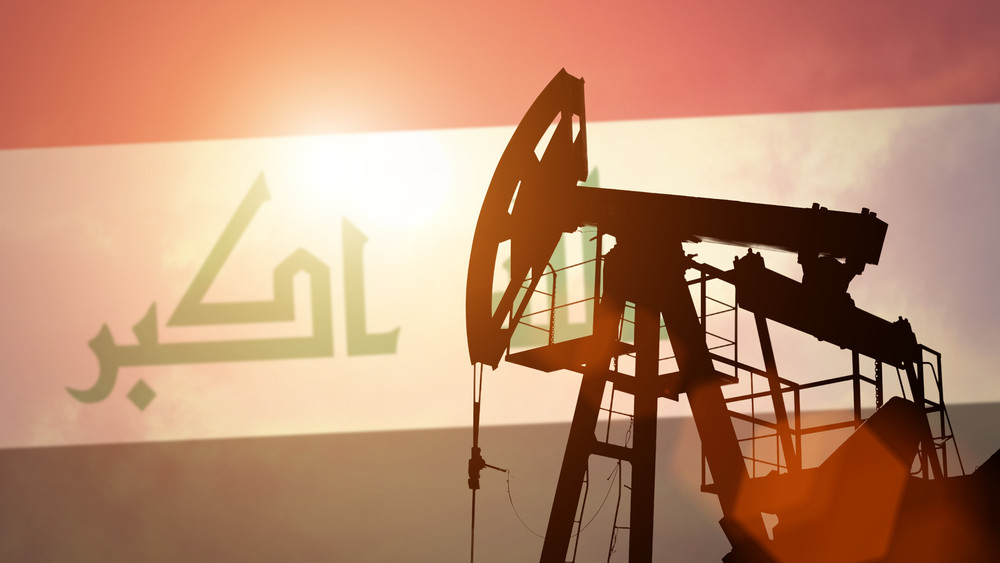
United States President Donald Trump endorsed the campaign in a post on Truth Social, writing that Washington supports efforts “to assert state authority throughout Iraq, stop the smuggling of Iraqi oil, end corruption, and bring all weapons under the exclusive control of the state.” In the same post on Friday, Trump added: “We support Prime Minister al-Zaidi’s efforts to build a united, prosperous, and strong Iraq that makes its own political decisions.” Al Jazeera reported that the public backing serves as a clear message to Kurdish leaders that federal actions carry firm American support.
The anti-smuggling operation originated in Jurf al-Sakhar, a town held by the Iran-backed militia Kataib Hezbollah. Nine senior security and oil officials have been dismissed and referred to the courts. Kataib Hezbollah, which the US designates as a “terrorist” organisation, denies the allegations. Al-Zaidi gave the group until November 20 to leave the town.
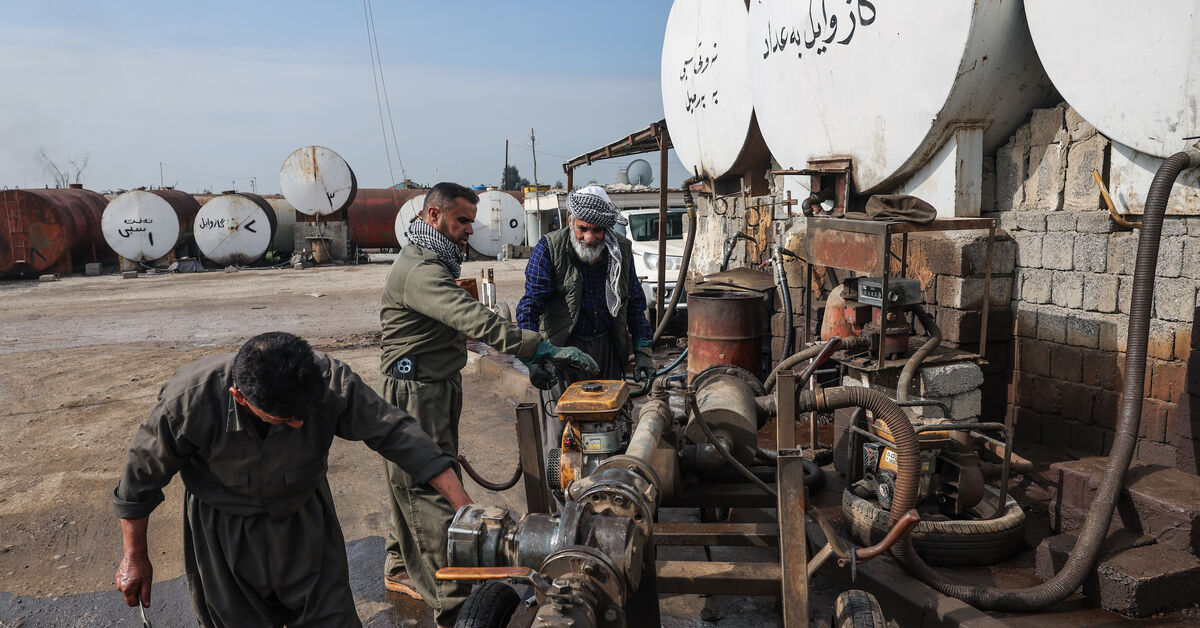
Baghdad subsequently widened the campaign northward, citing government estimates that Iraq lost more than $100 billion between 2008 and 2025 from oil smuggled through the Kurdish region. On November 24, Prime Minister al-Zaidi ordered all regional border crossings placed under the federal Border Ports Authority, while Iraq’s Federal Supreme Court ruled that international borders, customs, and oil exports fall under federal jurisdiction.
Challenging Legal Mandates and Regional Security
Prime Minister Ali al-Zaidi ordered the federal Border Ports Authority to take charge of every crossing in the Kurdistan Region, while Iraq’s Federal Supreme Court ruled that international borders, customs, and oil export oversight belong entirely to the federal government.
The court also restricted the Kurdistan Regional Government to the exact territory it administered on March 19, 2003, and barred it from approving any exports except through the federal oil ministry. The rulings put that ministry in charge of oilfields under Kurdish security control across Kirkuk, Nineveh, Salahuddin, and Diyala provinces, which seemingly includes the major Khormala field.
The Washington Kurdish Institute expressed deep concern over the escalating tensions, warning that such unilateral actions and threatening rhetoric undermine Iraq’s constitutional federalism and risk reversing decades of stability.
Approaching High-Stakes National Talks
Federal and regional delegations are scheduled to hold a national dialogue on December 1, while Iraq’s top court is set to hear a lawsuit on December 14 aimed at declaring Masrour Barzani’s cabinet illegal. Erbil is heading into these high-stakes discussions without American troops, which departed Iraq in September, and with the region’s 2007 budget share still unresolved while Kurdish security forces continue holding the Khormala oilfield.
Erbil Rejects Federal Takeover
Kurdish leadership rejected the directives outright. KRG Prime Minister Masrour Barzani called the federal takeover unacceptable and inconsistent with constitutional arrangements, while the Kurdistan Democratic Party and the Patriotic Union of Kurdistan set aside their own rivalries to issue a rare joint statement condemning the moves as a breach of constitutional rights.
Noting that the Kurdistan Region “is the product of the blood and the long struggle of the people of Kurdistan,” the parties said they support “dialogue” rather than “unilateral decisions” that failed to “serve Iraq’s security and stability.” KRG Prime Minister Masrour Barzani described the moves as “baffling” and “in no way acceptable” in a separate statement.
Hundreds of Kurds protested the Iraqi government decisions in Qamishli, northeastern Syria, on November 27, according to Shafaq News.
The dispute centers heavily on economic ties with neighboring Iran. Muhanad Seloom told Al Jazeera that Iraq remains Iran’s main land outlet under blockade, with bilateral trade topping $11.6 billion according to Iranian figures, while Iraqi banks give Tehran a route around sanctions. Iraq is one of Iran’s most important economic partners.
State media published an intelligence document alleging that crude from Kirkuk and Sulaymaniyah provinces was trucked into Iran, blended with Iranian oil, and exported to Afghanistan to evade Western sanctions. Tehran also aims “to show to the Middle East, and to the world, that if you’re an ally of the West, the West will not protect you”, Mr Balanche said.
Prime Minister Ali al-Zaidi entered the political landscape as a newcomer previously working in the public sector with the Ministry of Trade, where he managed the administration of the national ration card system. Following a weeks-long deadlock within the Coordination Framework, al-Zaidi was nominated as a consensus candidate to succeed Mohammed Shia’ al-Sudani.
Iraq’s leaders have agreed to open a national dialogue on December 1.
Related reading
- Iran Warns It Will Not Rely Solely on Armenian Assurances Over TRIPP Corridor
- Sydney Christmas Tree Fails to Light at Ceremony; Council Blames Technical Issues
- Zelenskyy blasts Trump's strange friendship with Putin (newsarchyuk.com)
- Trump's Beef Quota Filled About 37% in Month One; Ground Beef Fell 13 Cents (daybreakwire.com)
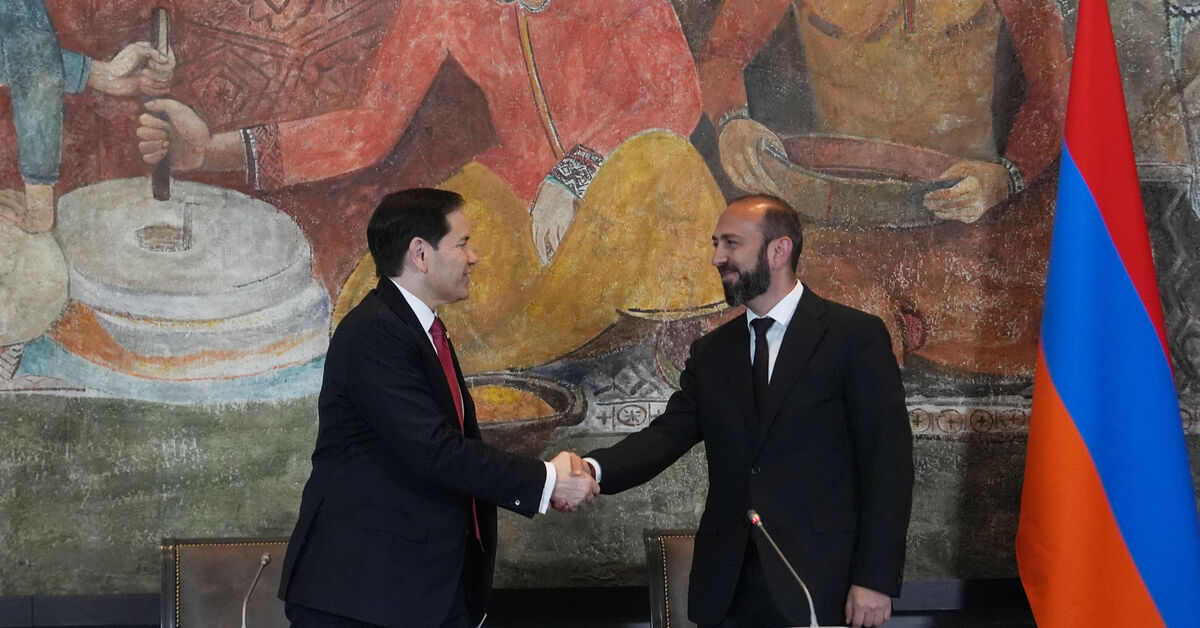
Iran Warns It Will Not Rely Solely on Armenian Assurances Over TRIPP Corridor
Armenian Prime Minister Nikol Pashinyan announced the initial implementation phase of the “Trump Route for International Peace and...

Sydney Christmas Tree Fails to Light at Ceremony; Council Blames Technical Issues
Thousands of spectators counted down to absolute darkness in Sydney’s CBD on Thursday night when a technical glitch...

33 Arrested in Southampton Child Sexual Exploitation Investigation
Police have arrested 33 people in Southampton in connection with an investigation into the sexual exploitation of teenage...
China-ASEAN FTA Upgrade Opens New Opportunities for Thai Businesses, Says Chamber Leader
Fresh produce will reach Chinese markets faster under the China-ASEAN Free Trade Area (FTA) 3.0 Upgrade Protocol, which...