
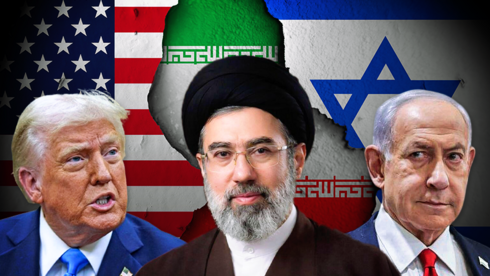
President Donald Trump turned sharply against Vice President JD Vance on Thursday, publicly ordering him to abandon ongoing Iran diplomacy and redirect his complete attention toward investigating corruption in Democratic-led cities and states.
The sudden directive, published on Truth Social, marks a severe escalation in tensions at the highest levels of the executive branch following a devastating midterm election cycle. The open fracture between the president and his deputy stems from a fierce post-election dispute over who shoulders the blame for sweeping Republican losses.
Trump Rejects Need for Iran Deal As Vance Weighs Direct Talks With Tehran, Tells VP to Focus On ‘Massive Corruption’ In Blue States.https://t.co/8YeH49TxKq
Trump declared bluntly that Washington no longer requires a diplomatic pact with Tehran. “We don’t need a deal with Iran. Those days have long since passed. We’ve got their money, hundreds of billions of dollars, and we’ve got their Strait!” Trump wrote.
The public rebuke follows private misgivings. The Wall Street Journal reported that Trump sees Vance as to blame.
US President Donald Trump on Thursday said he was directing Vice President JD Vance to focus solely on domestic anti-fraud efforts and not negotiations with Tehran.https://t.co/6PJTKmkFIh pic.twitter.com/5G7ApN11aH
Kobi Barda, a US affairs expert at the Holon Institute of Technology’s Multidisciplinary School, traced the origins of the feud to a social media statement published by Vance. In that post, the vice president detailed reasons for the Republican collapse, explicitly criticizing the campaign against Iran and questioning long-standing ties with Israel. Moments later, Donald Trump Jr. reposted the critique with the endorsement “100%.”
Barda told 103FM that Vance has fallen out of favor with the president. He pointed to two signs: Trump’s post in which he said he instructed Vance to stop dealing with Iran, and a leak to The Wall Street Journal in which Trump sees him as to blame.
The Republican defeat left the administration scrambling to recalibrate its domestic and foreign strategies before Democrats assume control of Congress in January.
While Trump publicly insists diplomacy is dead, Israeli officials assessed that formal negotiations have not completely collapsed, despite Tehran showing no willingness to retreat from its hardline demands. The administration now faces a stark choice between two divergent paths: following Treasury Secretary Scott Bessent to tighten economic sanctions, or returning to military action backed by Defense Secretary Pete Hegseth and Central Command chief Adm. Brad Cooper.
Trump expressed a preference for a long-term economic siege rather than immediate military strikes. Speaking to conservative radio host Hugh Hewitt on Thursday, the president asserted that it would “absolutely” be a defeat if Iran’s leaders were still in power when he left office, though he argued that he saw no need for military force for now because the US controlled the Strait of Hormuz.
Meanwhile, the practical impact of the shifting geopolitical posture is already visible on the water. The United Kingdom Maritime Trade Operations Center reported that at least two commercial tankers were struck by projectiles while transiting contested waterways near Iran, underscoring the ongoing volatility.
Keep reading
- Garth Brooks Returns to Ireland for 2027 Tour as Tickets Sell Fast
- Rabuka Says Constitution Bill Will Go to Referendum or Die With Parliament
- FDA Orders Eye Stroke Warning on Ozempic, Wegovy and All GLP-1 Drugs (daybreakwire.com)
- Microsoft Outage Prompts Cybersecurity Expert to Urge Data Backups (archyde.com)

Garth Brooks Returns to Ireland for 2027 Tour as Tickets Sell Fast
Country music icon Garth Brooks will return to Ireland in May and June 2027 for a ten-date tour...
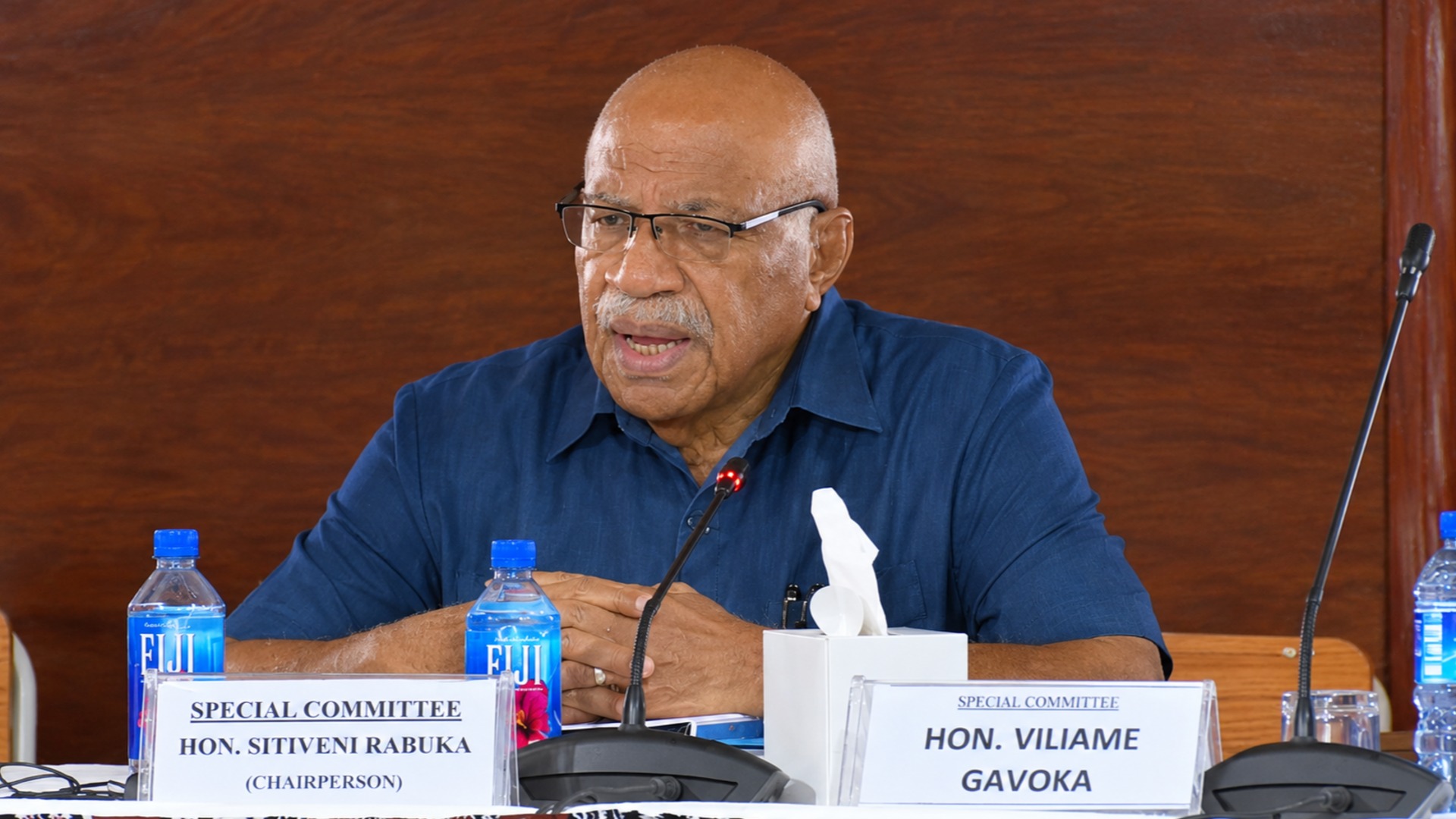
Rabuka Says Constitution Bill Will Go to Referendum or Die With Parliament
Should the Constitution Amendment Bill gain a two-thirds majority in Parliament, it advances to a public vote, whereas...

‘This Winter Is Crucial’: Latvian PM Urges Europe to Boost Ukrainian Aid in Coming Months – TVP World
Andris Kulbergs warned that the upcoming winter months represent a critical juncture for European security, urging the continent...
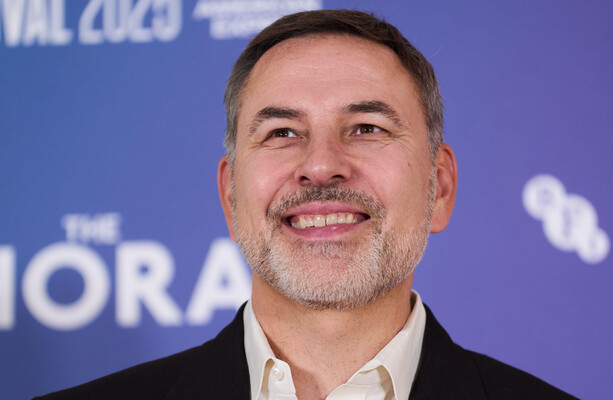
Journalist Challenges Anonymity for Three Convicted Criminals in Wake of David Walliams Case – The Journal
Tanya Fowles said that when the reporting ban was lifted in the Newry case, the accused told his...