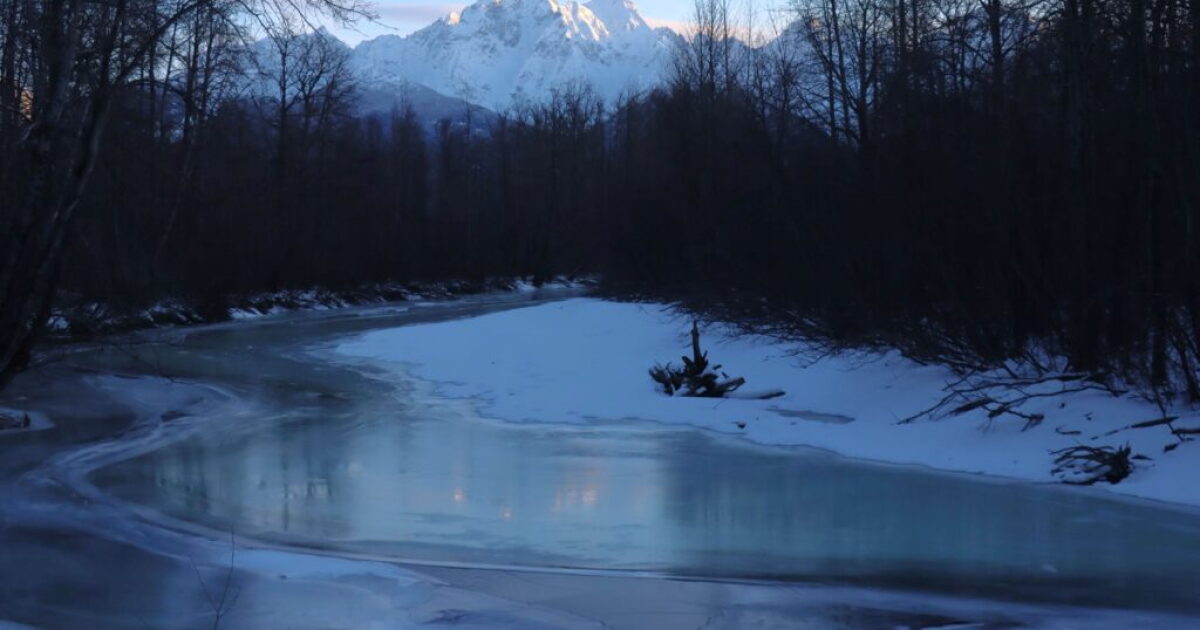
Twenty-eight million acres of federal land in Alaska could soon open for resource extraction and state or private transfer under a planned executive action.
The Trump administration is preparing to lift classification barriers known as D-1 withdrawals across massive stretches of the state, Alaska Public Media reported. The effort forms part of an initiative titled Unleashing Alaska’s Natural Resource Potential.
Will Steinfeld of the Chilkat Valley News first reported the upcoming changes. He explained the mechanics of the land classification during an interview.
“The easiest way to understand it is this word withdrawal. So basically, what it’s doing is pulling the land out from a number of processes that can change how land is used.”
said Will Steinfeld, a reporter with the Chilkat Valley News, telling Alaska Public Media about the policy.
These withdrawals currently prevent the transfer of federal land to state or private ownership and block the issuance of mineral, oil, and gas leases. The upcoming revocation would clear those hurdles in regions including the Chilkat Valley, Southcentral, and the Yukon-Kuskokwim Delta.
The current push revives an uncompleted effort from the final days of the first Trump administration in 2021. Public land orders issued then were later reversed by the Biden administration following a lengthy review.
Evidence of the impending change has surfaced through government-to-government consultations between federal officials and Alaska Native corporations and tribal entities. During the Alaska Federation of Natives convention, the organization passed a resolution addressing the Bureau of Land Management’s intent to revoke the withdrawals before the end of the year.
Lifting these classifications could remove barriers for specific regional initiatives, such as the Palmer Project and timber sales within the Haines State Forest. Most affected acreage lies outside Southeast Alaska, centered instead in Southcentral and the Y-K Delta.

Early Morning Gunfire Reported in DeKalb County | FOX 5 Atlanta
Early morning gunfire in DeKalb County has left residents on edge as local authorities begin their investigation into...
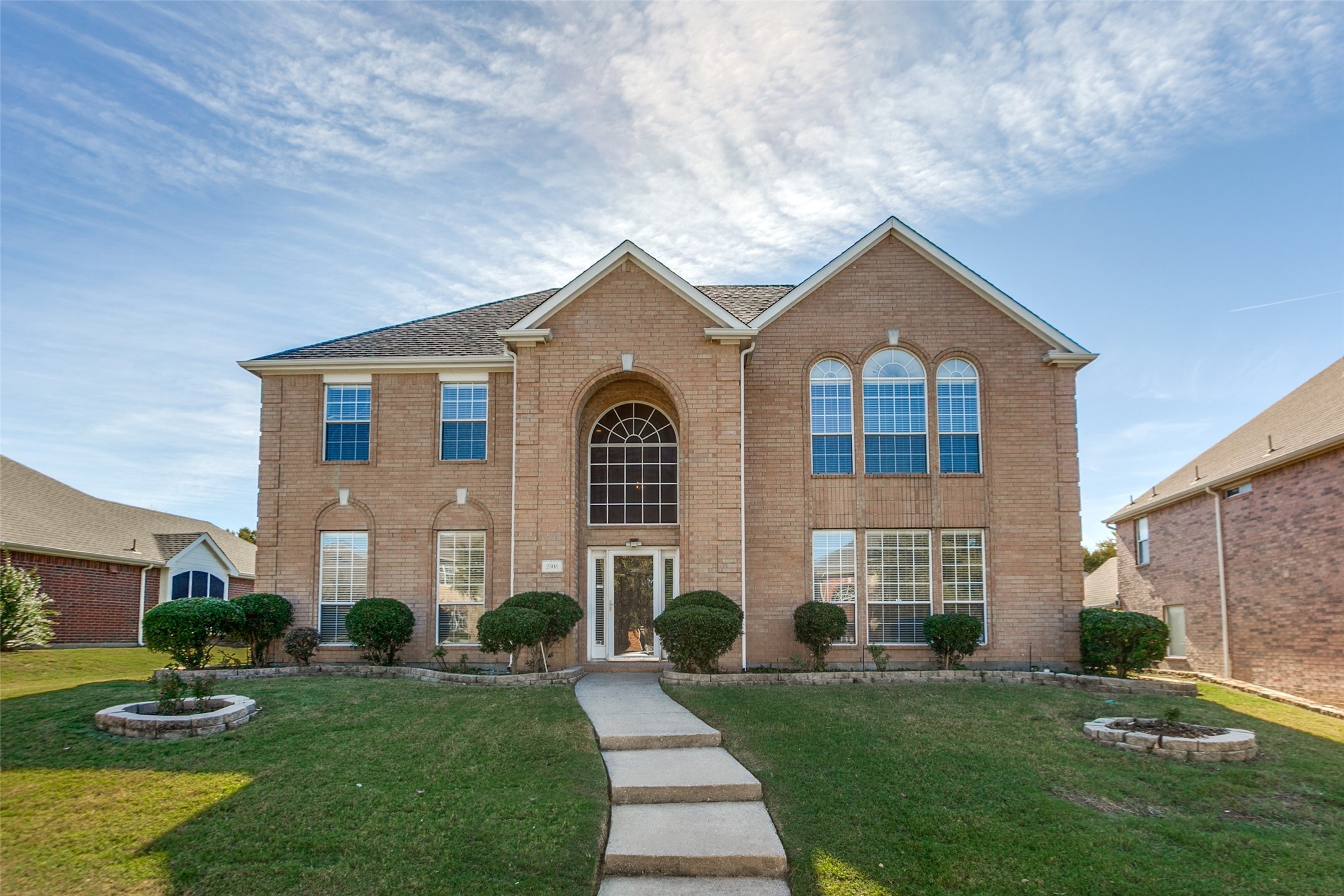
$3,200 Monthly Rent for 2,825 Sq Ft House in Plano ISD
Priced at $3,200 per month, a single-family rental at 2808 Tallahassee Ct in Plano enters the Collin County...

Tim Aldinger Appointed to California Ocean Science Trust Board of Trustees
California Natural Resources Secretary Wade Crowfoot appointed Tim Aldinger to the Board of Trustees of the California Ocean...

Eleven Connecticut High School Football Teams Unofficially Qualified for 2026 CIAC Playoffs
Eleven Connecticut high school football teams unofficially secured their postseason berths across the six playoff divisions entering Thursday's...