Tucson stored Colorado River water for 20 years; in 2027 it will draw from the aquifer for the first time.
The Arizona Water Banking Authority will credit Tucson and other central Arizona cities for their reduced 2027 allocations, preserving their legal right to the groundwater they pump this year, AZ Luminaria reported.
Tucson expects to lose about 20,000 acre-feet annually — roughly 14% of its regular Colorado River supply — after basin states failed to reach a management deal and the U.S. Department of the Interior imposed two years of cuts on the Lower Basin states.
Savings account built, then tapped
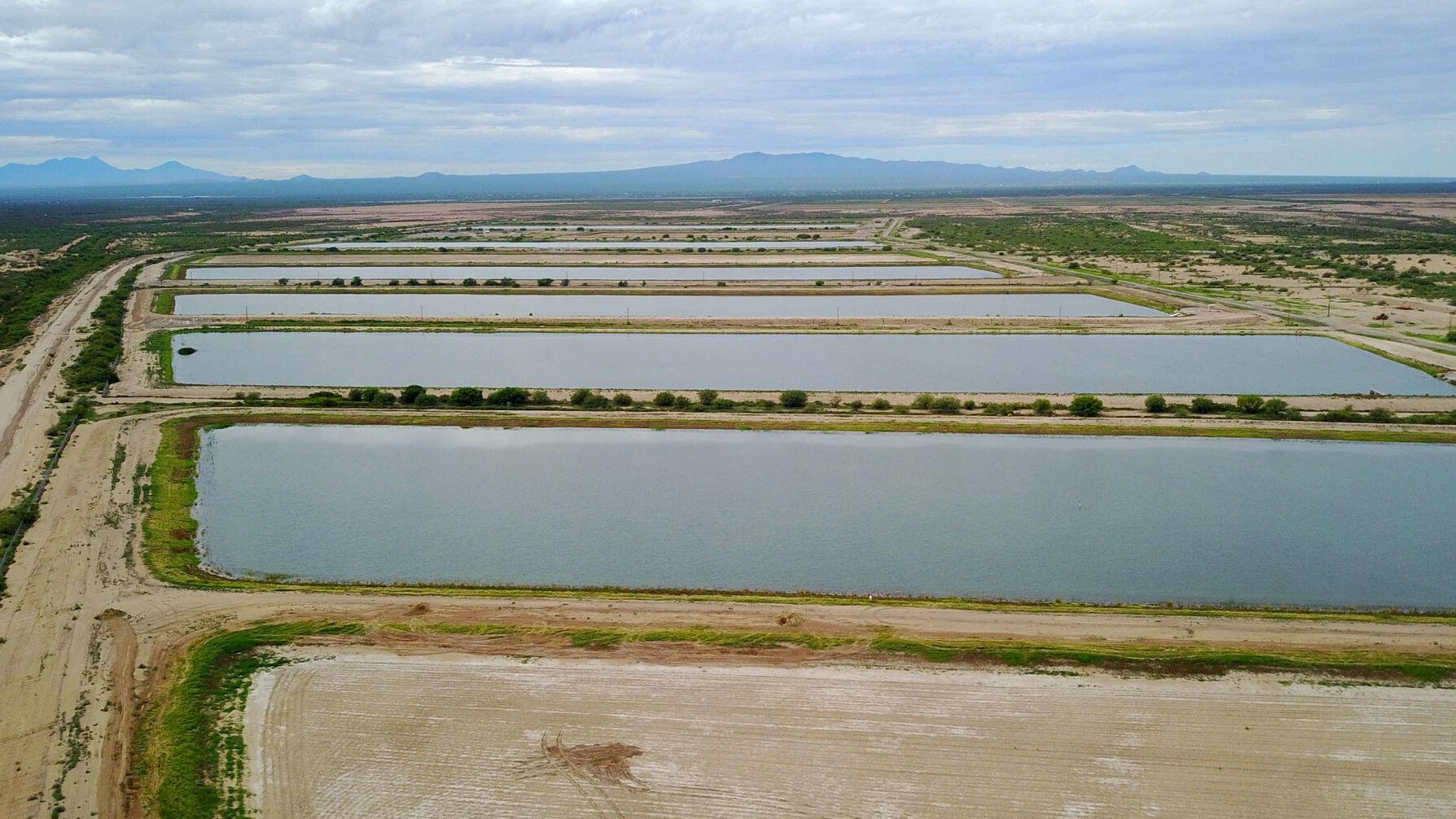
Since the Central Arizona Project’s completion in 1993, Tucson has recharged the Avra Valley aquifer through 20 basins, cumulatively saving about 600,000 acre-feet — enough for more than six years at current use, AZ Luminaria reported. Typically the city stores 95,000 to 100,000 acre-feet yearly and leaves about 30% in the aquifer.
For 2027, Tucson Water requested only 70,000 acre-feet of its reduced allotment, leaving roughly 50,000 acre-feet in Lake Mead in exchange for $86.7 million through a federal program.
The city will pump about 25,000 acre-feet from storage, reversing its long practice of banking more than it withdraws.
“This is what Tucsonans have prepared for decades and for generations,” said John Kmiec, director of Tucson Water. “If we were a community that did not prepare for a change in the Colorado or changing conditions locally, it may be a crisis.”
Conservationists urge nuance
Researchers and advocates say the messaging understates long-term risk. “If you’re drawing upon it, you’re drawing upon it,” said Sharon Megdal, director of the University of Arizona’s Water Resources Research Center. “There’s plenty of water in the aquifer. For now.”
Catlow Shipek, senior program director with the Watershed Management Group, told AZ Luminaria the city’s tone suggests “‘We’ve got everything covered. No need to be concerned.’”
He said Tucson should emphasize rainwater harvesting and reclaimed water over continued reliance on the river.
Kmiec said the $86.7 million will help fund a wastewater purification system slated for 2031 and other conservation projects. “The whole goal is to reduce dependency on the river itself,” he said.
Federal cuts force Colorado River supply reductions
The U.S. The decision followed failed interstate negotiations over long-term river management.
Recharge operations sustain aquifer reserves
Officials say this buffer means residents will not be affected by the initial aquifer withdrawals planned for 2027.
Conservation advocates push for diversified strategy
“If you’re drawing upon it, you’re drawing upon it,” she said. “There’s plenty of water in the aquifer. For now.”
Catlow Shipek, senior program director with the Watershed Management Group, told AZ Luminaria the city’s tone suggests “‘We’ve got everything covered. No need to be concerned.’” He said Tucson should emphasize rainwater harvesting and reclaimed water over continued reliance on the river.
Long-term water security under scrutiny
Kmiec said he cannot imagine a future water budget for Tucson that does not include any Colorado River water. “If the Colorado River water stopped today, if we stopped recycling any of our wastewater and just let it go, we have legal ownership of more than 47 years of water,” Kmiec said.
Uneven impacts across Arizona
Cave Creek relies on the Colorado River for about 95% of its supply and cannot access local groundwater, AZ Luminaria reported. Phoenix, which also draws from the Salt and Verde rivers, has tapped groundwater for more than a decade and will add a surcharge for heavy users.
Pinal County farmers, cut since 2019, secured a deal in July 2026 for California groundwater and backed expansion of Bartlett Dam on the Verde River.
Tucson’s tiered rate structure has been in place for 50 years. The City Council voted 4-3 this year to update the large-water-user ordinance, lowering the threshold for required conservation plans. Mayor Regina Romero said she must balance water needs with the economy.
Keep reading

Community Literacy Allies Places 180 Volunteers in Three Sioux Falls Schools
A new volunteer program is placing 180 adults in small-group reading sessions with kindergarten and first-grade students at...

Start Strong NJ Calls for $35M Annually to Expand Childcare Vouchers
New Jersey advocates and childcare providers are calling on the state to invest an additional $35 million annually...

Florida: 163 Measles Cases, DeSantis Exit 2027, Tax Session Sought
Florida enters the holiday season grappling with public health data, impending tax debates, and shifting political leadership as...

Stojaković Scores 46 as Illinois Hands Duke Worst Home Loss Since 1985
Stojaković scored 46 points as Illinois handed Duke its worst home loss since 1985, winning 99-78 at Cameron...