“Disruptions to Temporary Protected Status for some immigrants could create significant operational challenges and further tighten an already constrained labor market,” said Leslee Oden, CEO of the National Turkey Federation, in an October op-ed supporting federal visa legislation.
Turkey production rose this year for the first time since avian diseases cut supplies, reaching 5.1 billion pounds after two years of declines that bottomed out at 4.8 billion pounds, the U.S. Department of Agriculture reported. That figure remains well below the 5.7 billion pounds produced in 2020.
Wholesale prices for whole hen turkeys jumped to a projected $1.76 a pound from $1.36 last year and 94 cents in 2024, a 30 percent one-year increase, according to USDA data. Retail prices climbed only about 10 percent as grocers used turkey promotions to draw shoppers, with some stores advertising birds at 69 cents per pound, the Farm Bureau found.
Farmers say immigration crackdowns and the ending of protected status for many immigrants have squeezed the workforce needed for packing and processing. The National Turkey Federation and the Meat Institute back bipartisan legislation to expand access to visas for temporary workers.
“This is a good first step to help packers and processors keep the rural economy moving and to ensure American consumers have access to affordable food,” said Julie Anna Potts, CEO of the Meat Institute, in a statement earlier this year.
Minnesota led production with 33.5 million birds, followed by North Carolina at 28 million and Arkansas at 21.5 million, according to USDA figures for 2025. Indiana, Virginia, Missouri, Iowa and Pennsylvania each produced more than 7 million birds.
Farm Bureau Deputy Chief Economist Faith Parum said in a November podcast that grocery stores love to offer turkey deals to draw shoppers. She said that producers have faced heavy disease pressure over the years and are still rebuilding production numbers.
Some stores advertised whole birds at 69 cents per pound as a loss leader to attract customers.
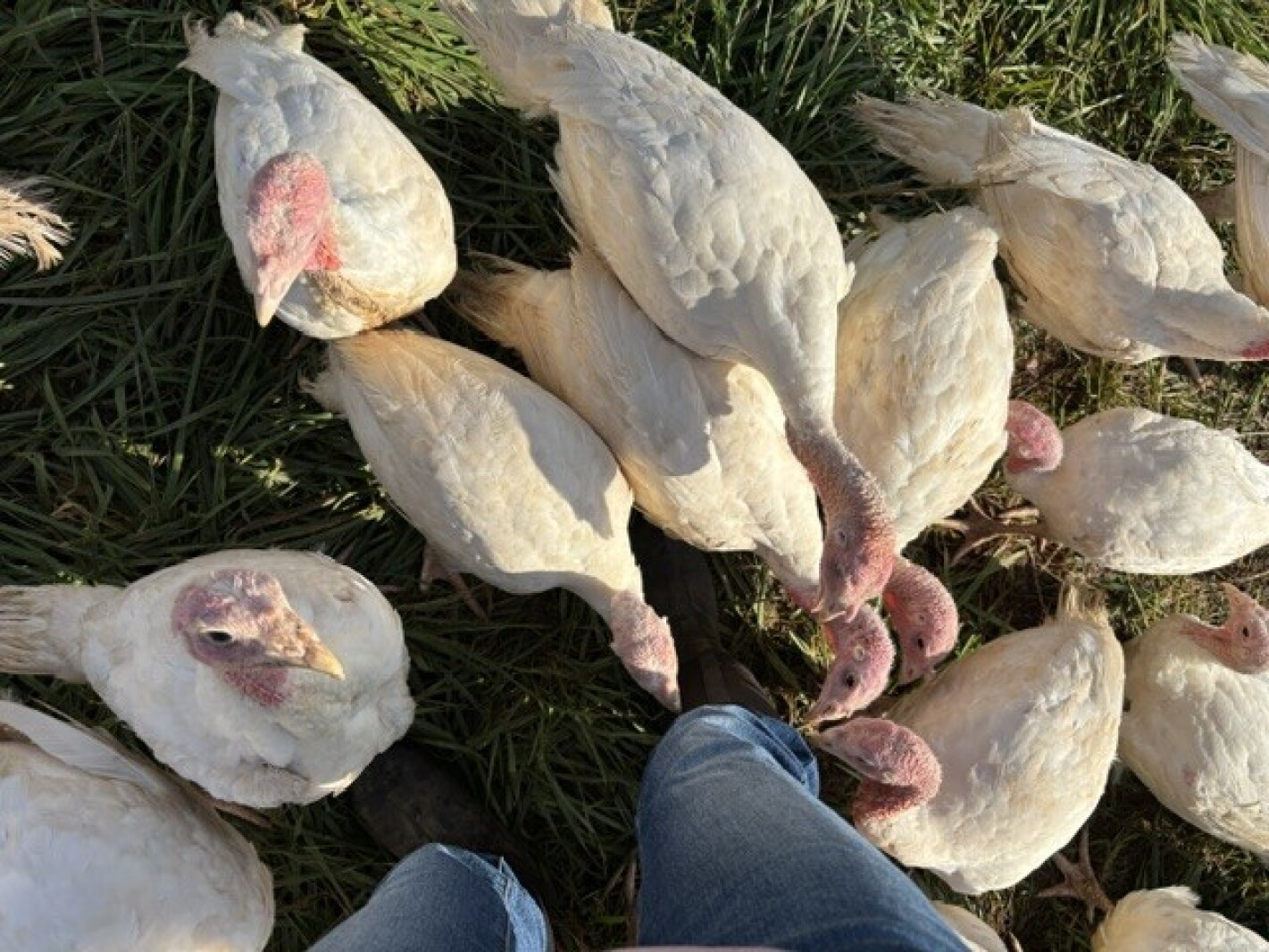
“Significantly higher costs are prohibiting farmers from capturing any economic benefit this year,” said Cameron Castillo, associate economist at the Farm Bureau, speaking to Stateline. Feed, energy and labor expenses have absorbed the wholesale gains. Jesse Straight, who raises about 1,000 turkeys annually at Whiffletree Farm in Warrenton, Virginia, said his pasture-based operation has avoided the labor and disease pressures hitting larger plants.
“We get people coming to our farm from all over the country because they believe in our mission,” Straight said. “Our mission is to heal the land and give the animals a life that fits their nature, and heal our customers through good food.”
- John James Audubon Bridge Has Longest Mississippi River Main Span at 1,583 Feet
- Bruins Activate James Hagens Off IR, Assign Mikey Eyssimont to Providence
- Dutch Groups Seek Sales Suspension of Meta Smart Glasses Over Privacy (archyde.com)
- Andrew Bailey warns banks may pass Labour tax hike costs to customers (newsarchyuk.com)

John James Audubon Bridge Has Longest Mississippi River Main Span at 1,583 Feet
The John James Audubon Bridge carries the longest main span of any Mississippi River crossing at 1,583 feet....

Bruins Activate James Hagens Off IR, Assign Mikey Eyssimont to Providence
The Boston Bruins activated rookie forward James Hagens from injured reserve Sunday and assigned Mikey Eyssimont to Providence...
Aliento Founder Reyna Montoya Argues Arizona Must Match Gratitude With Responsibility to Immigrants
Aliento founder Reyna Montoya argues in a Republic column published November 29, 2026 that Arizona must match gratitude...

Hunters Find Human Remains on West Texas Ranch; ID Identifies Man from Campeche, Mexico
Remains lay on a West Texas ranch for two to three years before hunters found them Saturday, the...