
In Louisiana, tutorship is the legal process that puts a responsible adult in charge of a minor child’s care, decisions, and property when a parent is unable to do that job. Unlike most states, which use the word “guardianship,” Louisiana’s civil-law system calls the arrangement tutorship, and its rules focus on protecting the child first while giving clear duties to the adult named as tutor.
Families across Ouachita Parish, Monroe, West Monroe, Ruston, and surrounding towns often meet this issue after a death, a serious illness, a long absence, or a court finding that a parent cannot serve. The practical stakes are immediate: without a recognized tutor, schools, clinics, and banks in northeast Louisiana may refuse to treat a caregiver as the decision-maker for a child under eighteen.
What Tutorship Means in Plain Terms
Tutorship names an adult—the tutor—to stand in a parent’s place for a child under eighteen when parental authority is missing or cannot be exercised. The tutor looks after two broad areas: the child’s day-to-day welfare and the child’s property. Day-to-day welfare covers housing, schooling, medical care, and ordinary life choices. Property covers money, land, accounts, and other assets that belong to the child.
People in Monroe or Lincoln Parish school and hospital settings sometimes hear “guardian” used in casual conversation. In Louisiana law, though, the formal framework for a minor is usually tutorship. Keeping the right word matters when reading court papers or talking with clerks, because forms and orders use Louisiana’s civil-law vocabulary rather than the common-law terms used in other states.
Why Louisiana Handles This Differently
Louisiana’s private law still rests on a civil-code tradition that spells out family authority, minority, and how a substitute decision-maker is put in place. The goal is continuity for the child: someone accountable, under court oversight when needed, who can sign, consent, and manage what the child cannot manage yet. For a reader in Bastrop, Farmerville, or anywhere in Morehouse Parish or Union Parish, the practical point is simple—local courts apply Louisiana rules, not the guardianship statutes of a neighboring state, even when relatives live across a state line.
When Tutorship Commonly Comes Up
Tutorship questions tend to appear in a handful of life situations. A parent dies and the surviving parent’s role must be clarified, or both parents are gone and someone must step forward. A parent is alive but cannot act because of incapacity, incarceration, or another barrier recognized by the court. A child receives property—through a succession, a settlement, or a gift—and an adult must manage it under court rules. Parents separate or never shared a household, and the person who will make major decisions needs clear authority for schools, doctors, and agencies in places like West Monroe or Ruston.
Not every hard family moment requires a full tutorship proceeding. Sometimes a parent still holds authority and can sign what is needed, and sometimes a limited court order fits better. The line depends on facts that should be checked against current Louisiana law with a qualified attorney rather than assumed from a general article.
Who May Serve as Tutor
Louisiana looks first to people with a close connection to the child. A surviving parent is often the natural choice when that parent can serve, and parents may express wishes about who should serve if they cannot. When those paths are not available or not suitable, the court can appoint another qualified person. Relatives—grandparents, aunts, uncles, adult siblings—are frequently considered, and a non-relative can be considered when that person is the best fit for the child’s stability and care.
Fitness matters more than a job title. Courts care about the child’s safety, stability, and best interests, and a history that raises concerns about care or money handling can affect whether someone is appointed or how closely the court supervises. A person who wants to serve should be ready to show where the child will live, how schooling and health care will work, and how any money or property will be kept separate and used for the child.
Care Duties and Property Duties
A tutor’s care duties track what a careful parent would do: a safe home, education, routine and emergency medical decisions, and ordinary activities. Schools, clinics, and activity programs in northeast Louisiana will often ask for proof of authority before treating a non-parent as the decision-maker, so having clear court papers prevents delays at enrollment or treatment.
Property duties are stricter. Money belonging to a child is not pocket money for the household. It should be held and used for the child’s needs under the rules that apply to tutorship administration, and larger steps—selling land, invading certain funds, or making big financial moves—may need prior court approval. Keeping records is not optional in spirit: receipts, account statements, and a clear trail protect both the child and the tutor. If a child owns an interest in family property in rural Union Parish or a bank account funded after a relative’s death, the tutor must treat that interest as the child’s, not as shared family cash.
Court Oversight Ensures Asset Protection
Louisiana often pairs a tutor with another role sometimes called an undertutor—a second set of eyes for the child’s interests, especially on property and major steps that need court approval. Depending on the type of tutorship and the property involved, a tutor may need to provide inventories, periodic accountings, or requests for authority before acting. Deadlines and dollar thresholds can change with legislation and local practice, so the safe approach is to assume that anything involving the child’s assets deserves careful documentation and, when required, court blessing before it happens.
How a Tutorship Case Moves Forward
While every docket is different, the broad path is understandable. Someone files a request in the proper court—in Ouachita Parish and nearby parishes, the district court system that handles family and civil matters—asking that a tutor be appointed or confirmed. Notice goes to people who must be told under the rules, often parents if living and other interested relatives. The court may require background information, acceptance of the role, and security such as a bond when property is involved. A hearing may be set so the judge can decide contested points or confirm an uncontested plan, and if the child is old enough to have a meaningful preference, that preference may be considered along with other factors. The judge’s order names the tutor and describes the authority.
Tutorship Is Not Termination of Parental Rights
Tutorship is not the same thing as ending a parent’s rights forever. Some tutorship settings coexist with a parent who still has rights but cannot exercise them fully at the moment, and others arise because a parent has died. Separate legal paths exist when the state or a party seeks to terminate parental rights or to free a child for adoption. Custody language from a divorce or paternity case also sits nearby but is not identical: a custody judgment allocates care between parents, while tutorship more often addresses the gap when parental administration is missing or when a minor’s estate must be managed.
Tutorship does not last for life. It generally ends when the child turns eighteen, unless another lawful status applies, and it may end earlier if the child is emancipated under Louisiana law or if a parent becomes able to resume authority. It may also change if a tutor resigns, dies, or is removed for cause—and a tutor who can no longer serve should not simply walk away without a plan, because the child’s care and any property still need a responsible adult and a clean handoff.
Related reading

Ben Schierer, Fergus Falls mayor, elected Minnesota lieutenant governor
Minnesota voters made history Tuesday night, electing Senator Amy Klobuchar as the state's first female governor and former...
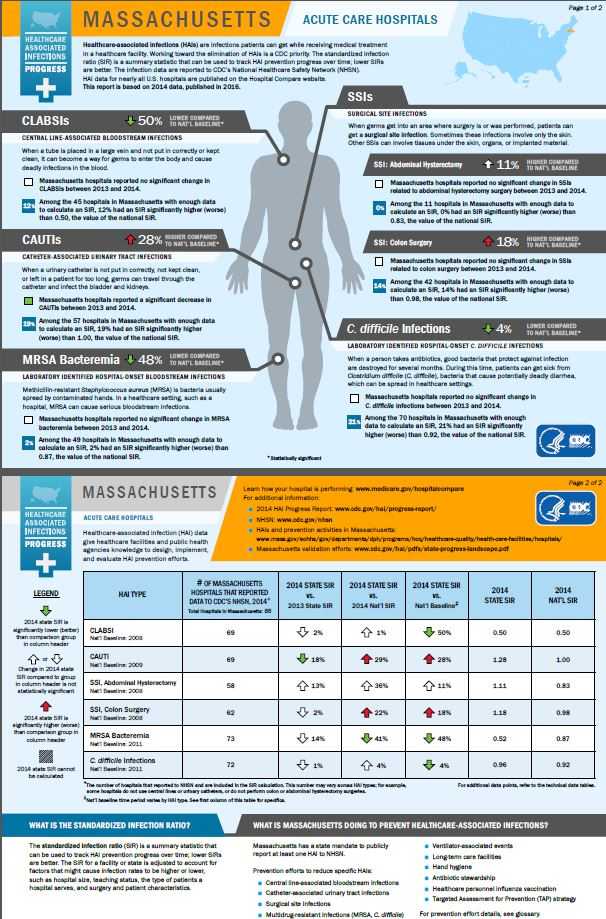
CDC Funds Massachusetts Healthcare Programs to Combat Infection and Resistance
Massachusetts is receiving federal funding through the CDC's Division of Healthcare Quality Promotion to prevent healthcare-associated infections and...

Iron Mountain Family Donates 60-Foot Spruce as Michigan State Christmas Tree
60-Foot Iron Mountain Spruce to Be Cut Thursday for the Ride to the Michigan Capitol The 2026 Michigan...

Silver Spring Man Gets 25 Years for Attempted Laurel Hotel Robbery After 45-Year Sentence
Joel Manuel Moreno, a 32-year-old Silver Spring man, will spend the next quarter-century in prison without the possibility...