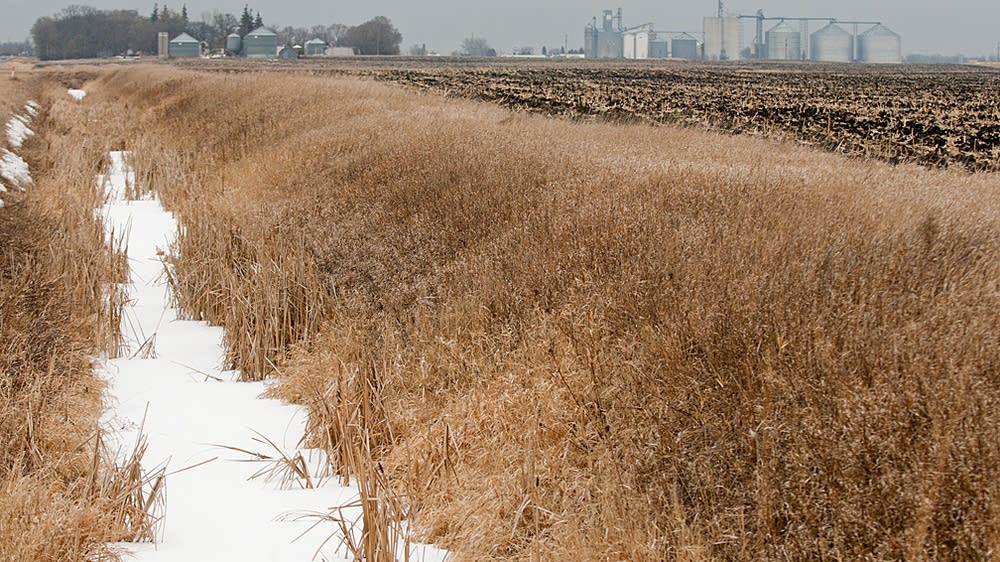
The Twin Cities set a new record Saturday for the latest first trace of snow in a season, surpassing a mark that had stood since November 21, 1953, MPR News reported. As of Monday, measurable snow — defined as one-tenth of an inch or more — has still not arrived, threatening a second record set on December 3, 1928.
How late is this snowfall?
Saturday, November 21, marked the latest calendar date for snowflakes to fly in the Twin Cities since records began, MPR News reported. The previous record for a first trace was set on that same date in 1953. The National Weather Service Twin Cities office noted on X that 1953 and 2026 are the only two years without at least a trace of snow by November 20, adding that 1953 received 1.5 inches on November 21.

“What do we have in common with 1953? This year and 1953 are the only times we have yet to get at least a trace of snow for the season by November 20th. 1953 would get on the board with 1.5″ of snow on November 21st,” the National Weather Service Twin Cities office said.
What records remain in reach?
The next benchmark is measurable snow accumulation. The latest date on record for that threshold is December 3, 1928, according to MPR News. If the current pattern of warm or dry weather holds, that record is also in jeopardy. The Twin Cities typically average about 5 inches of snow by this point in November, Meteorologist Eric Ahasic of the National Weather Service told CBS News.
What do we have in common with 1953? This year and 1953 are the only times we have yet to get at least a trace of snow for the season by November 20th. 1953 would get on the board with 1.5" of snow on November 21st. pic.twitter.com/WgGVchBld0
Why is the snow so late?
A persistent warming trend pushed high temperatures to record levels across Minnesota on Friday, including in Minneapolis–St. Paul, Hibbing and International Falls, MPR News reported. Monday was only the sixth day this season with a subfreezing temperature in the Twin Cities; the average by late November is 20 such days.
A strong-to-very-strong El Niño is likely to persist through January–March 2027, according to the National Oceanic and Atmospheric Administration’s November outlook. “We’re off to one of the warmest starts of November on record,” Ahasic said.
What does this mean for winter tourism?
The Minnesota Department of Natural Resources says it will begin grooming snowmobile trails — as will local clubs — only after a foot of snowpack accumulates, a mark that requires both heavy snowfall and persistently subfreezing weather. Four years ago, the Arrowhead and Canadian border regions held roughly a foot of snow by this date.
“Due to warmer temperatures overall, on average, the snowpack is likely to be less than normal across the Great Lakes region,” said John Gottschalck, head of forecast operations for NOAA’s Climate Prediction Center.
Ken Graham, director of the National Weather Service, told MPR News: “It’s not just the ag, it’s not just the communities with energy, it’s also tourism. You can still get snowstorms… But overall, if you look at the average across the country, up there in Minnesota, you can get impacts to tourism.”
The National Weather Service Twin Cities office is the forecast office in Chanhassen, Minnesota, responsible for monitoring weather conditions, issuing forecasts and warnings, and providing aviation weather for 51 counties across Minnesota and Wisconsin. It operates a WSR-88D radar and an Automated Surface Observing System that enhance forecasting capability.
The office also programs 13 NOAA Weather Radio stations, including KEC65, which broadcasts hazard information for core metro counties such as Hennepin, Ramsey, Dakota and Washington in Minnesota and Pierce, Polk and St. Croix in Wisconsin.
When might snow finally arrive?
A limited chance of light snow exists for Wednesday morning, though a large high-pressure block is keeping moisture out, MPR News reported. Regional travel could turn dicey by Thanksgiving evening into Black Friday across Wisconsin and northern Illinois, but that system does not directly affect Minnesota.
Forecast models continue to delay major storm systems until after December 3. “For now, the American and European models keep things fairly quiet until after Dec. 3,” MPR News reported. The National Weather Service advised residents they may have to wait longer for winter to arrive.
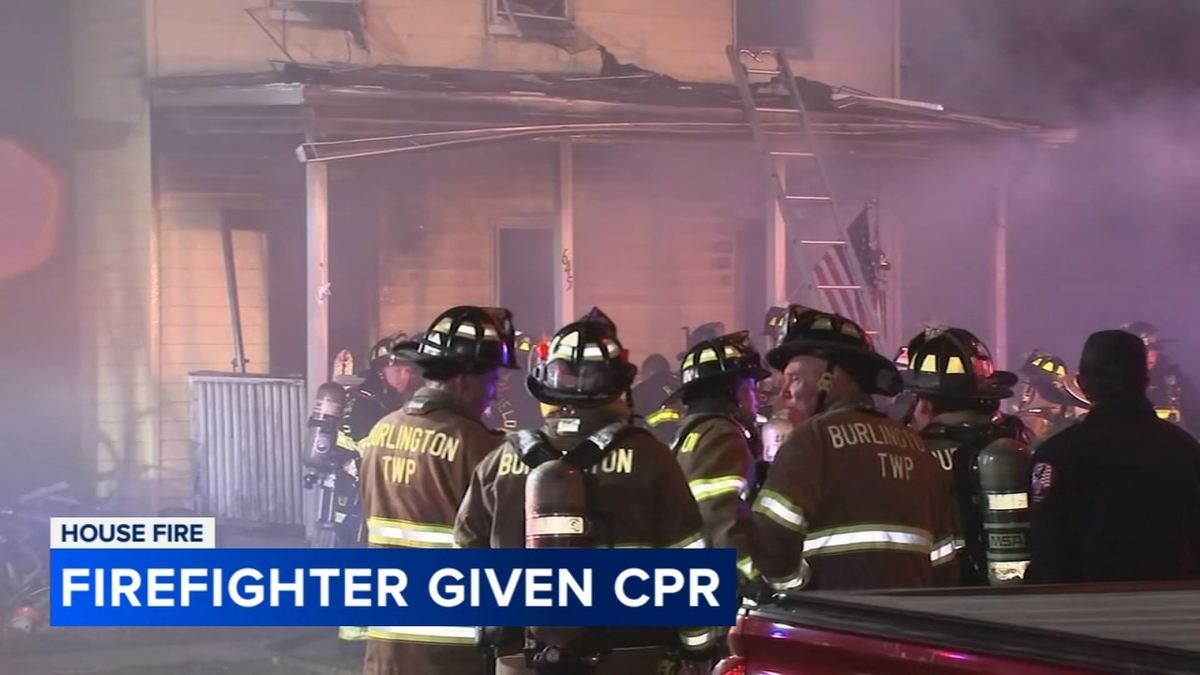
Firefighter Suffers Cardiac Arrest Battling 3-Alarm House Fire in Mansfield Township
A Mansfield Township firefighter collapsed and went into cardiac arrest while battling a three-alarm house fire late Monday...

Manchester City Host Napoli in Champions League; TV and Streaming Providers Listed
Manchester City host Napoli at the Etihad Stadium on Tuesday, 24 November, with kick-off at 20:00 UK time....

Review: The Great Departure Exposes Abuse, Oppression in Varanasi Drama
Pierre Filmon's The Great Departure presents a Varanasi-set drama that strips away romantic convention to expose domestic abuse...
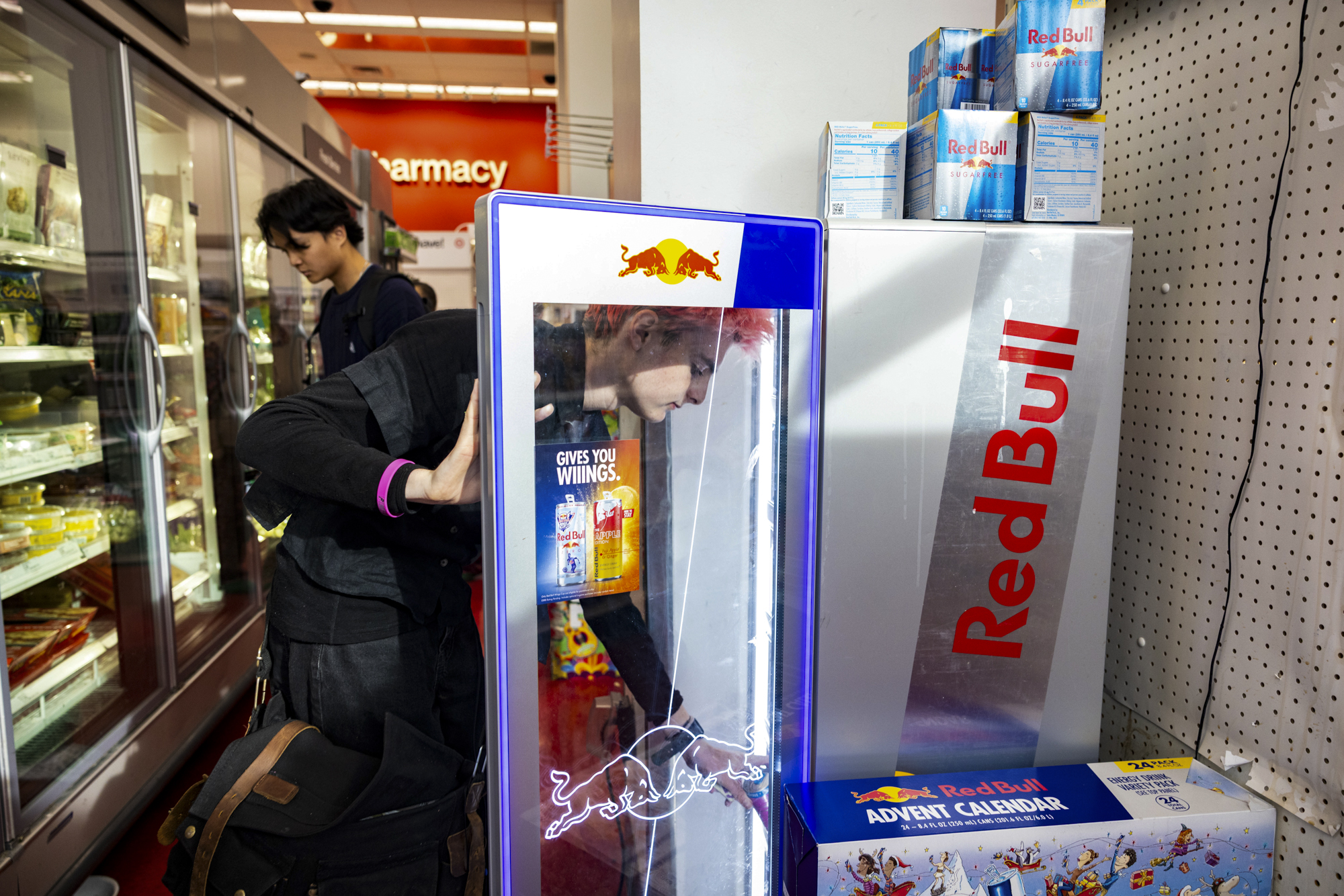
Berkeley Voters Approve Measure AA to Double Soda Tax
Berkeley voters approved Measure AA in the November midterm election, doubling the city's tax on sugar-sweetened beverages from...