
Two asylum seekers are currently challenging their detention in federal court, alleging that U.S. Immigration and Customs Enforcement (ICE) officials bypassed established due process in Iowa.
These separate lawsuits, filed in the U.S. District Court for the Southern District of Iowa, highlight a growing tension between state-level weigh station operations and federal immigration procedures.
Charanpreet Singh, a 32-year-old commercial truck driver from India, claims he was taken into custody on Oct. 26, 2026, while working. According to the Iowa Capital Dispatch, Singh alleges he was pulled over by local police and directed to a weigh station, where ICE agents interrogated him despite his presentation of a valid driver’s license and work-authorization papers.
Singh’s legal filing asserts that he entered the U.S. in April 2018, was apprehended, and subsequently released by an immigration judge after posting a $17,000 bond. He maintains that for the past eight years, he has complied with all conditions of his release, established family ties, and obeyed local laws.
The lawsuit names Secretary of Homeland Security Markwayne Mullin and U.S. Attorney General Todd Blanche as defendants, seeking his immediate release and a declaration that his current detention is unlawful.
A second lawsuit involves Emoh Yanik Fon, a 33-year-old native of the Republic of Cameroon. Fon, who also uses the name Yanick Fon Emoh, alleges he has been held by ICE for nine months. He contends that he sought refuge in the U.S. following abduction and torture by militants in his home country, having entered without authorization in March 2023.
Court records indicate that Fon was convicted of drunken driving in December 2024 and served two days in jail.
However, his lawsuit argues that his subsequent detention in February 2026—which occurred after he appeared for a routine check-in at an eastern Iowa ICE office—lacked a necessary individualized assessment regarding whether he posed a flight risk or a danger to the community. Fon argues his consistent attendance at immigration appointments over three years suggests he is not a flight risk.
The core of the legal dispute involves the increasingly common practice of ICE partnering with state law enforcement to conduct interrogations at commercial vehicle weigh stations. In Singh’s case, the lawsuit claims that officers provided no explanation for his arrest and denied him the opportunity to argue that he was already under the jurisdiction of an immigration court bond.

The U.S. Attorney’s Office has not yet filed a response to either lawsuit, maintaining a policy of not commenting on pending litigation. As these cases proceed, they bring into focus the balance between federal immigration enforcement and the constitutional protections afforded to those who have been granted release pending the outcome of their asylum proceedings.
For individuals like Singh and Fon, the outcome of these filings could determine the scope of administrative power in detaining asylum seekers who have otherwise integrated into local communities. Judges have yet to rule on the requests for release in either matter.

Yahoo Sports Predicts Lions Victory Over Patriots in Munich
The Detroit Lions travel to Munich this Sunday, November 15, to continue a four-game winning streak against the...

LMU Volleyball Sweeps Denver 3-0 to Move to 22-3 Season Record
The Loyola Marymount University Lions swept Denver 3-0 on Thursday at Gersten Pavilion, securing set scores of 25-18,...
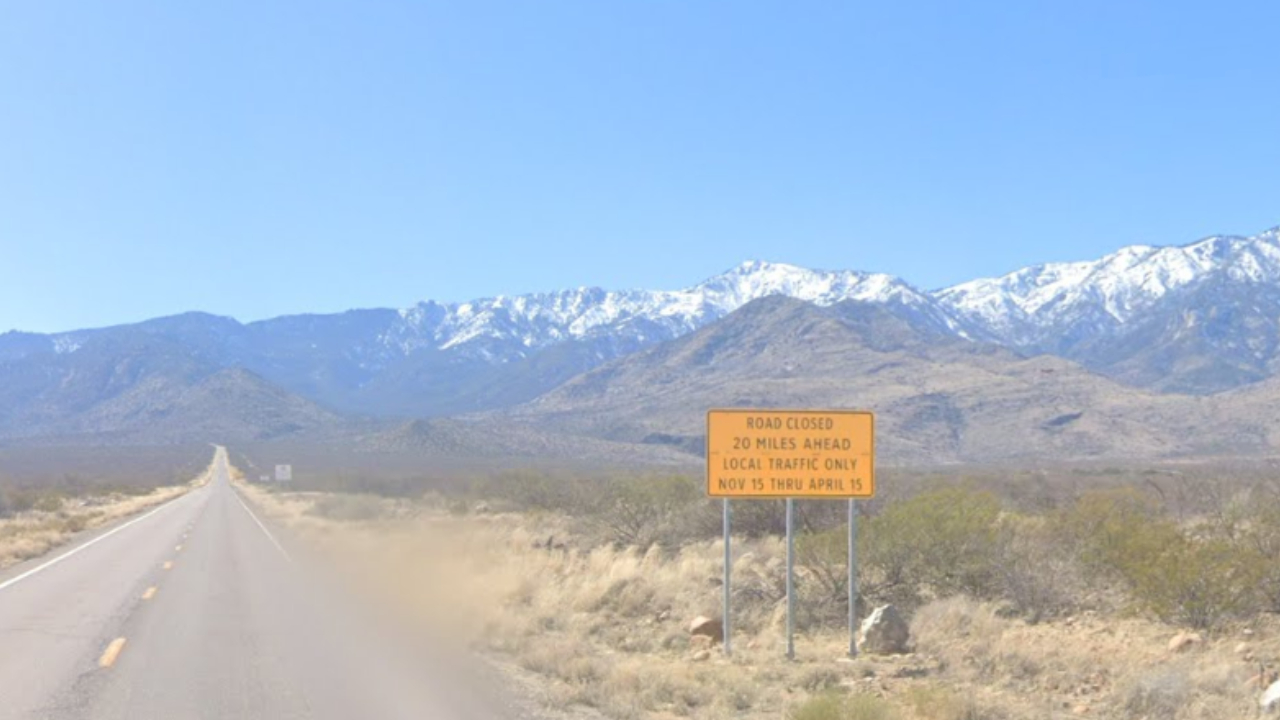
5 Arizona High-Country Highways Set for Winter Closures
Five Arizona high-country highways are facing seasonal closures as winter weather approaches, starting with a segment of State...

Vermont Pub and Brewery Owners Report Thefts in Final Week
“Climbing on the bars is not safe for you or for our team, and it's not something we...