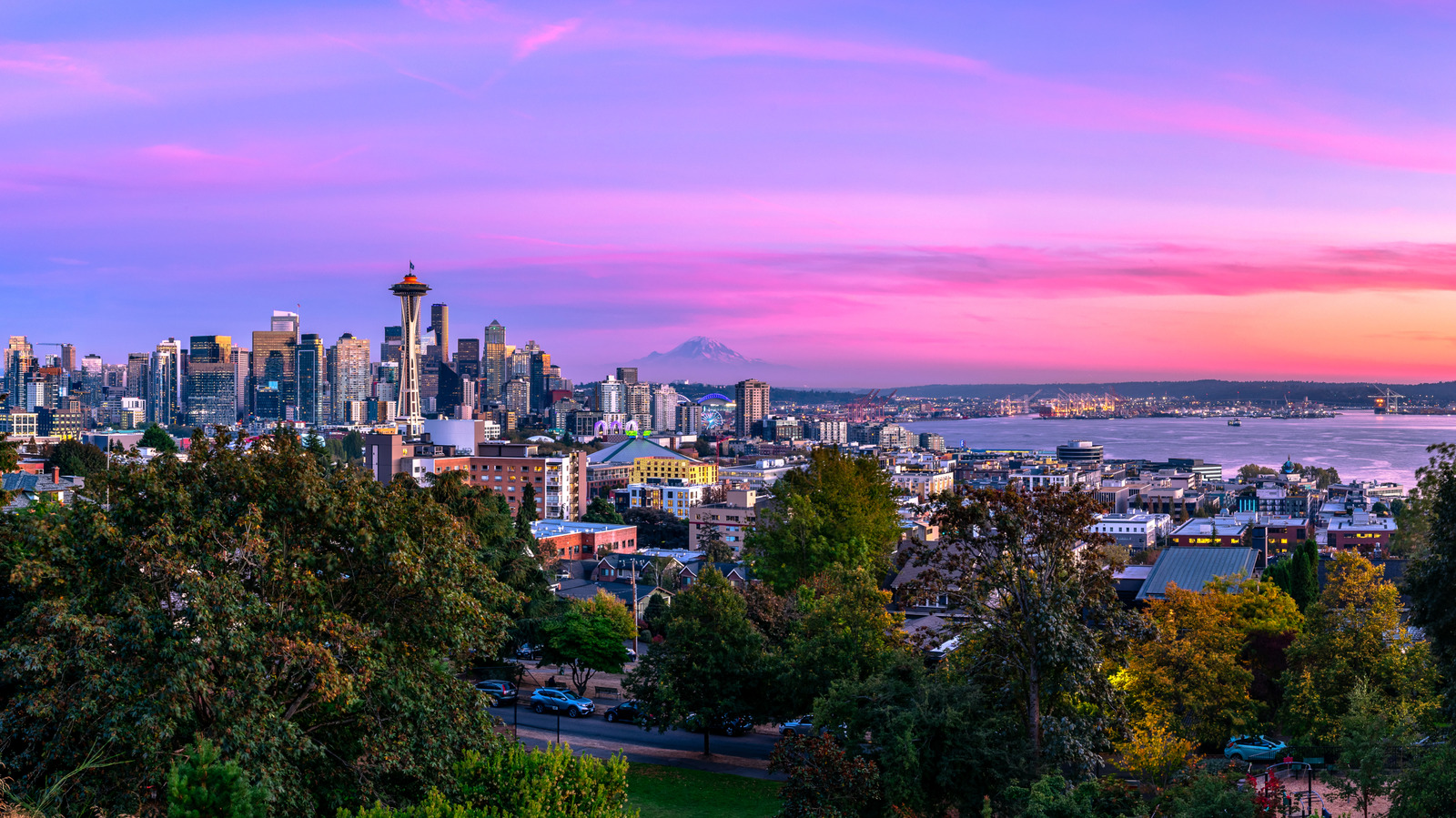
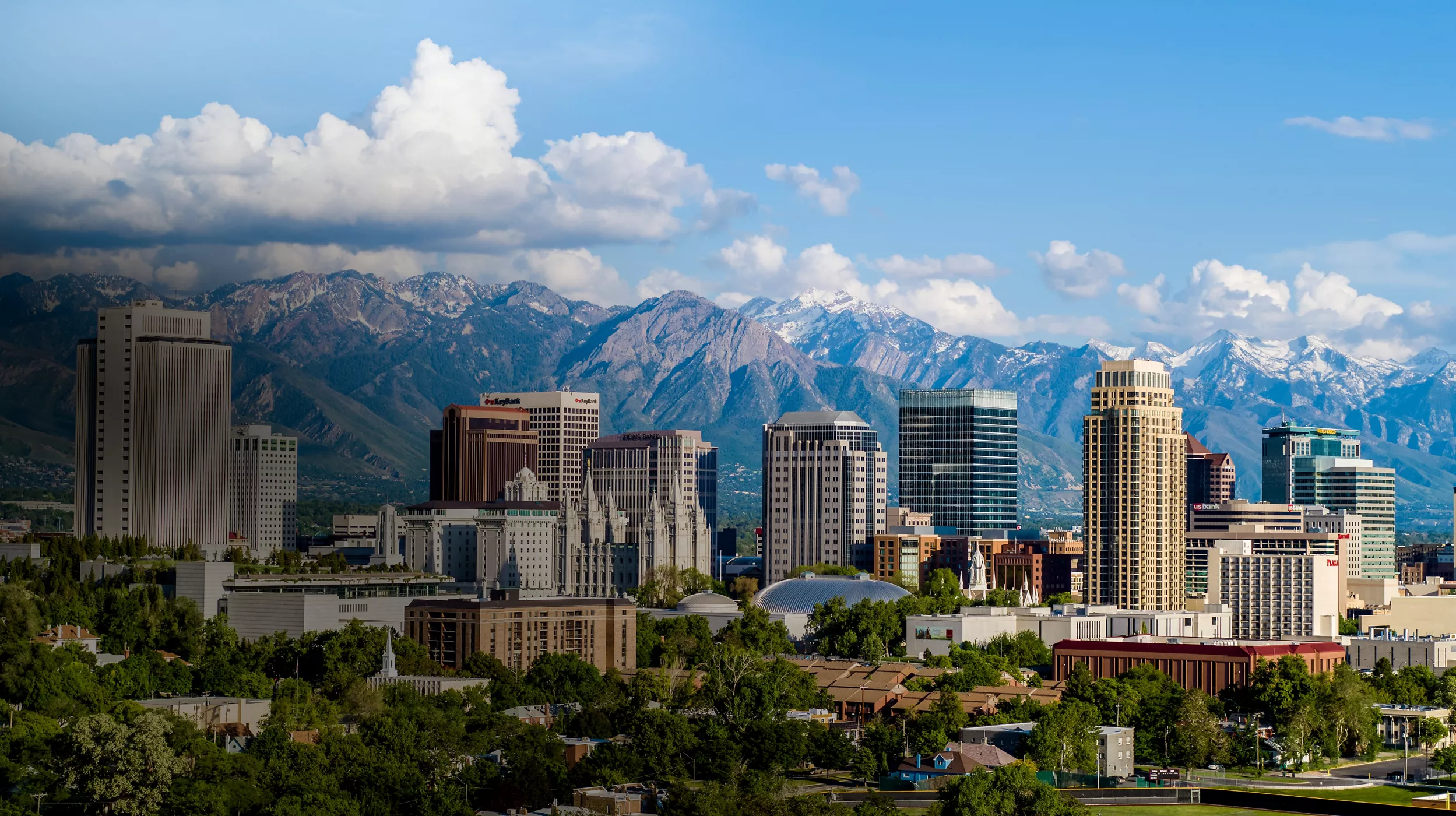
According to U-Haul’s 2026 Midyear Migration Trends report, many young adults born between 1997 and 2012 are crossing state lines to move to Seattle, Washington. According to U-Haul’s 2026 Midyear Migration Trends report, islands.com reported, a significant wave of Gen Z movers is making the 13-hour drive from Salt Lake City straight to Seattle, Washington—a shift that reveals how this generation weighs paychecks against pine trees and mountain views.
U-Haul monitored all one-way truck relocations in metro areas of one million or more residents during a 52-week span, revealing where young people envision their futures—through homeownership, apartment rentals, or shared living with roommates.
Why Seattle Wins Over Salt Lake City
Salt Lake City has long positioned itself as a Gen Z paradise, marketing large homes, high-paying jobs, and plenty of outdoor adventures to attract young talent. Yet the data shows this generation isn’t afraid to cross state lines. While Seattle’s population is more than three times larger than Salt Lake City’s, sheer size doesn’t explain the gravitational pull.
The real draw is what Seattle proudly calls its identity as “Mother Nature’s City.” Normally, Seattle’s higher cost of living would repel budget-conscious twenty-somethings, but the city compensates with free and affordable access to Puget Sound vistas and abundant green spaces.
Where Gen Z Lands in the Emerald City
Not all Seattle neighborhoods offer the same welcome to Salt Lake transplants. West Seattle attracts younger newcomers with relatively lower housing prices and a laid-back vibe that feels familiar to those leaving Utah. The sandy shorelines of Alki Beach and Lincoln Park provide decidedly coastal atmosphere, while strolling the boardwalk at Schmitz Preserve Park delivers an old-growth forest filled with fragrant firs, hemlocks, and red cedars.
Further north, Ballard offers Sunset Hill Park’s free panoramic views of Shilshole Bay and the Olympic Mountains. For those missing Salt Lake’s relationship with water, the underwater viewing room at the Hiram M. Chittenden Ballard Locks provides a free, seasonal window into wild salmon swimming upstream, alongside harbor seals and birds of prey hunting for their next meal.
Community connection matters enormously for these movers. Capitol Hill and Fremont both combine urban green space with natural gathering spots. Those young professionals who crave walkable streets and a lively social atmosphere tend to choose Capitol Hill, whereas Fremont’s distinctive shops, open-air markets, and laid-back beer gardens help chance meetings blossom into lasting bonds—an essential balance against the infamous “Seattle Freeze” that can leave the city seeming unwelcoming to new arrivals.
The Nature Premium
Seattle earned its ranking as America’s most “outdoor-friendly” city not because of any single attraction, but because nature permeates daily life everywhere. Residents can explore the serene, Japanese-inspired Kubota Garden, the waterfront Washington Park Arboretum, or the educational Center for Urban Horticulture without opening their wallets. Marine life enthusiasts may spot an orca, river otter, or porpoise along The Whale Trail.
Those who love winter sports will find Mount Rainier offers activities in all four seasons at just a day trip’s distance, including summer trails with glacier vistas and wildflower fields, spring waterfall watching, and wildlife spotting featuring mountain goats, elk, and black bears. Snoqualmie lies nearer to Seattle, presenting both ski slopes in winter and a powerful waterfall on land sacred to tribal nations, accessible throughout the year. The biophilic Seattle Spheres bring jungle-like greenery downtown, while the Hoh Rain Forest on the Olympic Peninsula offers an escape from the metro area, and Cape Flattery—the northwesternmost tip of the contiguous United States—awaits those willing to drive to the edge of the continent.
The Pacific Northwest advantage extends beyond Washington state. Portland, Oregon, which came in third on U-Haul’s 2026 migration report, sits less than four hours south, offering its own compelling blend of urban hotspots and abundant green space for Gen Zers willing to explore the region.
The Cost of Paradise
Seattle’s higher cost of living remains a genuine barrier that the free parks cannot fully offset, and the “Seattle Freeze” can leave newcomers feeling socially stranded despite the natural beauty surrounding them. The U-Haul data itself has methodological limits: it only captures one-way truck moves, missing those who fly with a single suitcase, drive their own cars, or use competitors’ moving services.
Still, for Gen Zers weighing early-career opportunities against quality of life, the math apparently favors the Pacific Northwest. Whether they end up buying homes, renting apartments, or doubling up with roommates, they’re voting with their moving trucks that daily access to nature and vibrant city life together outweighs the higher price tag attached to Seattle living.
What remains unknown is whether this 13-hour migration will persist as housing markets shift across both cities or if economic pressures will eventually push this generation toward the next destination. For now, the highway between Salt Lake City and Seattle continues to carry a generation searching for a place they can call home.

Shai Gilgeous-Alexander Powers Thunder to sweep Cavaliers
Shai Gilgeous-Alexander Powers Thunder to Sweep Over Cavaliers The Oklahoma City Thunder cemented their dominance over the Cleveland...

Kolby Allard Elected Free Agency After Phillies Tenure
Kolby Allard Departs Philadelphia Phillies as Offseason Roster Shuffle Begins The Philadelphia Phillies’ organization saw a shift in...

For college basketball fans looking to catch the Portland State versus Seattle University matchup
The Cost of Accessing Portland State vs. Seattle U on Disney+ For college basketball fans looking to catch...

Brooklyn Pudwill records over 200 kills in WDA volleyball season
Brooklyn Pudwill and the Legacy Volleyball Postseason Push With the postseason looming, Legacy High School volleyball standout Brooklyn...