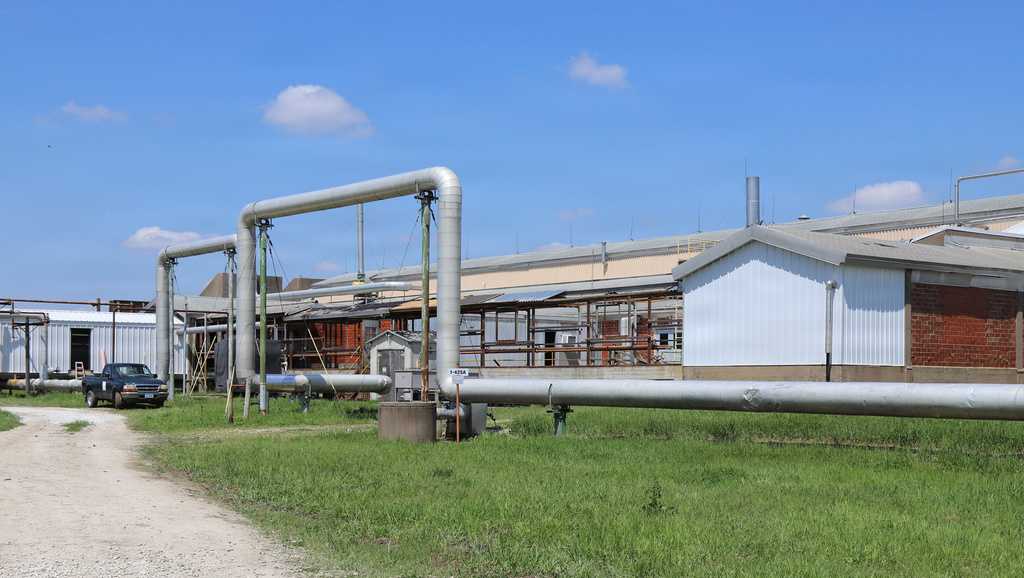
The U.S. Army will detonate 68 drums of degraded lead azide at the Iowa Army Ammunition Plant in Middletown on Monday, Nov. 23, after postponing the operation from Friday, Nov. 20.
Sen. Chuck Grassley announced that the detonation will be delayed until Monday, Nov. 23, after bipartisan pressure from state and federal lawmakers who argued the Army and the Environmental Protection Agency had failed to communicate the risks to communities downwind of the blast zone. The EPA issued an emergency permit for the detonation on Nov. 13, but Gov. Kim Reynolds said her office was not informed until Nov. 16.
The Army is responding to the questions and concerns I’ve shared from Iowans. I’ve emphasized the need for increased communication. The Army is delaying the controlled detonation until Monday to further educate the public. https://t.co/yAX22Xx2aK
Why the Army says it must act now
The stockpile has suffered “severe chemical degradation and crystallization” over time, making the drums too unstable to move without risking an uncontrolled explosion, the Army determined in March. Leaving them in place also carries an ongoing detonation risk, according to the service’s mitigated finding of no significant impact published Nov. 18.
“When lead azide is detonated properly, the intense heat incinerates the explosive material,” the Army said in a Nov. 15 question-and-answer document. Environmental teams will test the area afterward, remove contaminated soil, and dispose of it under EPA regulations, the service said.
Is the Army about to unnecessarily poison Iowa and our Nationwide food supply? If the Army's own research center proved on this exact plant that a biopolymer crust reduces respirable dust and held an explosion-protection berm stable for over three years, why did that same…
Army releases plume maps, orders evacuations, warns distant county
The Army released two plume maps — one for airborne dust, another for ground deposition — and plans to issue updated versions six hours before the blast using current weather data. Residents in two Middletown neighborhoods were told to evacuate due to potential window damage from the shock wave. Mercer County, Ill., roughly 55 miles northeast, was warned it could see impacts, the Illinois Department of Public Health announced Nov. 18.
“There is no safe level of lead in the body, and when inhaled or swallowed, it can pose serious health risks.”
said Dr. Sameer Vohra, director of the Illinois Department of Public Health.
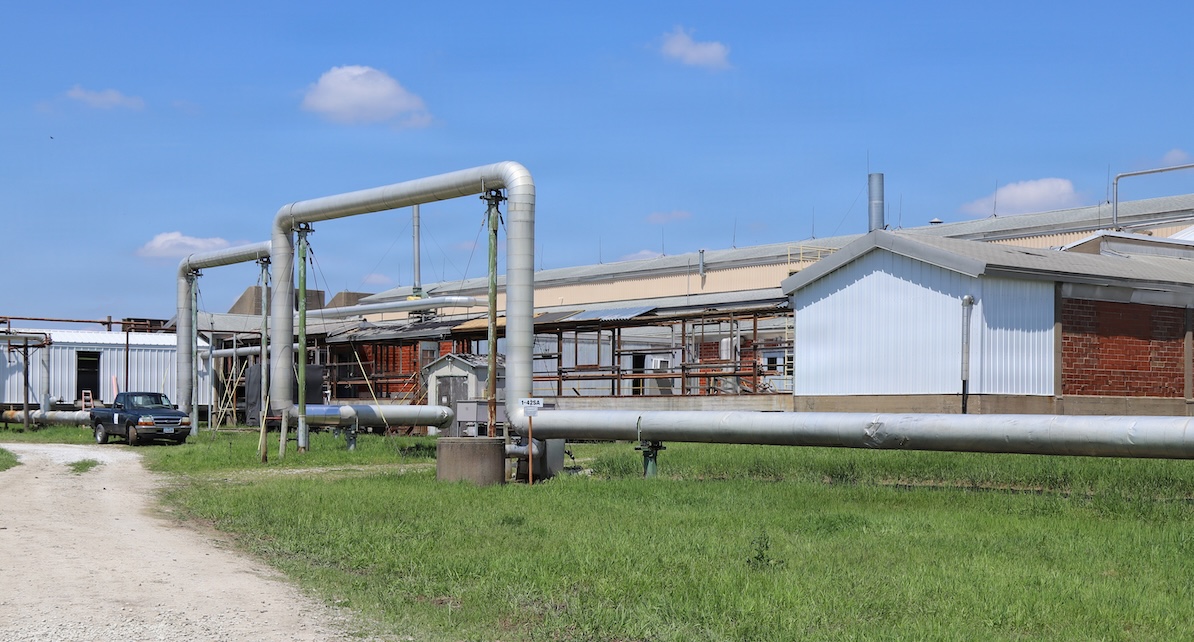
Virgil Schmitt, an Iowa State University field agronomist, downplayed the worst-case maps: “The map released by the Army is the worst-case scenario. It assumes all of the lead in all barrels will become airborne, which it will not.”
Patrick Wall, a beef field specialist at Iowa State University, said contaminated feed eaten by livestock can transfer to meat, but accurate testing methods exist. “Producers have accurate methods to test feed stored outside, and we’re recommending they do that prior to feeding,” Wall said.
The Iowa Department of Agriculture and Land Stewardship issued guidance Nov. 19 urging producers to wash buildings and equipment after the blast and monitor animals for acute lead poisoning.
Environmental groups sue over EPA permit as officials demand delay
The Iowa Environmental Council and the Sierra Club Iowa Chapter filed suit Nov. 19 challenging the EPA’s emergency permit. Gov.-elect Rob Sand called the communication “unacceptable,” and incoming Sen. Josh Turek joined state Rep. Gary Mohr in demanding a postponement until more health data is gathered, the Des Moines Register reported.
The detonation is now set for Monday. The Army will publish final weather-driven plume maps six hours beforehand.
Hey @grok can you confirm if the U. S. Army is detonating a toxic iron azide bomb in my state that could cause widespread lead poisoning this Friday? pic.twitter.com/miXUsvFRHD
More on Illinois Department of Public Health
The safety of Iowans now and in the future should be government’s top concern. An unacceptable lack of communication and clarity has made Iowans understandably concerned and angry about this situation. The public deserves to know, if this is the safest option, why other options…
‼️The Army will set off two controlled detonations at the Iowa Army Ammunition Plant near Middletown on Friday, Nov. 20, to dispose of an old cache of lead azide. The Army found 68 barrels of the explosive that had been stored at the plant for more than 20 years. Lead azide… pic.twitter.com/BMWV9huBQ0
The U. S. Army will detonate degraded lead azide at the Iowa Army Ammunition Plant in Middletown, Iowa, on Nov. 20 at approximately 12:00 PM CST. Lead azide is a highly sensitive primary explosive used in detonators. The stockpile is 68 barrels that have sat at the plant for… pic.twitter.com/166lk6avjJ
Related reading

UAlbany Study: Google AI Hurricane Model Outperforms NOAA Model at 1-5 Days, Matches Human Forecasters After Day 1
Google DeepMind's WeatherNext Cyclone model predicted Hurricane Melissa's track and Category 5 strength a week before landfall in...

Former Moorhead Truck Driver Gets Probation in Crash That Killed Adam Amin, 9
Victor Port, the 65-year-old former Moorhead city truck driver, pleaded guilty Thursday to a single misdemeanor charge tied...

Brightline Suspends Orlando-West Palm Beach Service Friday Due to Flooding
Brightline suspended train service between Orlando and West Palm Beach for Friday, Nov. 20, citing continued flooding and...
Bridgeport Rescue Mission Distributes Nearly 3,000 Holiday Meals to Families
Nearly 3,000 turkeys, hams, chickens and bags of Thanksgiving fixings rolled out of the Hartford HealthCare Amphitheater parking...