
The U.S. Senate advanced a permitting bill that would rewrite the National Historic Preservation Act and shrink Section 106's reach.
“It takes out the consultation requirement, and it takes out the ability to flag sites that should require that consultation,” said Lisa Jones, director of advocacy for the Historic Charleston Foundation.
“It gives complete power to the federal government to come ram a project down a community’s throat.”
The U.S. Senate voted Wednesday, Nov. 18, to advance the Bipartisan American Affordability and Jobs Act, a sweeping permitting bill that would rewrite the National Historic Preservation Act of 1966 and shrink the reach of Section 106, the review process that requires federal agencies to weigh how infrastructure projects affect historic properties.
Senators voted 69-27 to adopt a revised version and 65-31 to clear a second procedural hurdle, pushing the legislation toward a final vote, WCSC reported.
Preservation advocates in Charleston say the changes would strip local communities of influence they have relied on. Section 106 currently forces agencies to consult with state and tribal historic preservation officials and other interested parties before greenlighting projects that touch sites listed on, or eligible for, the National Register of Historic Places. The bill would narrow which projects trigger review, impose deadlines, and limit when and how that consultation must happen.
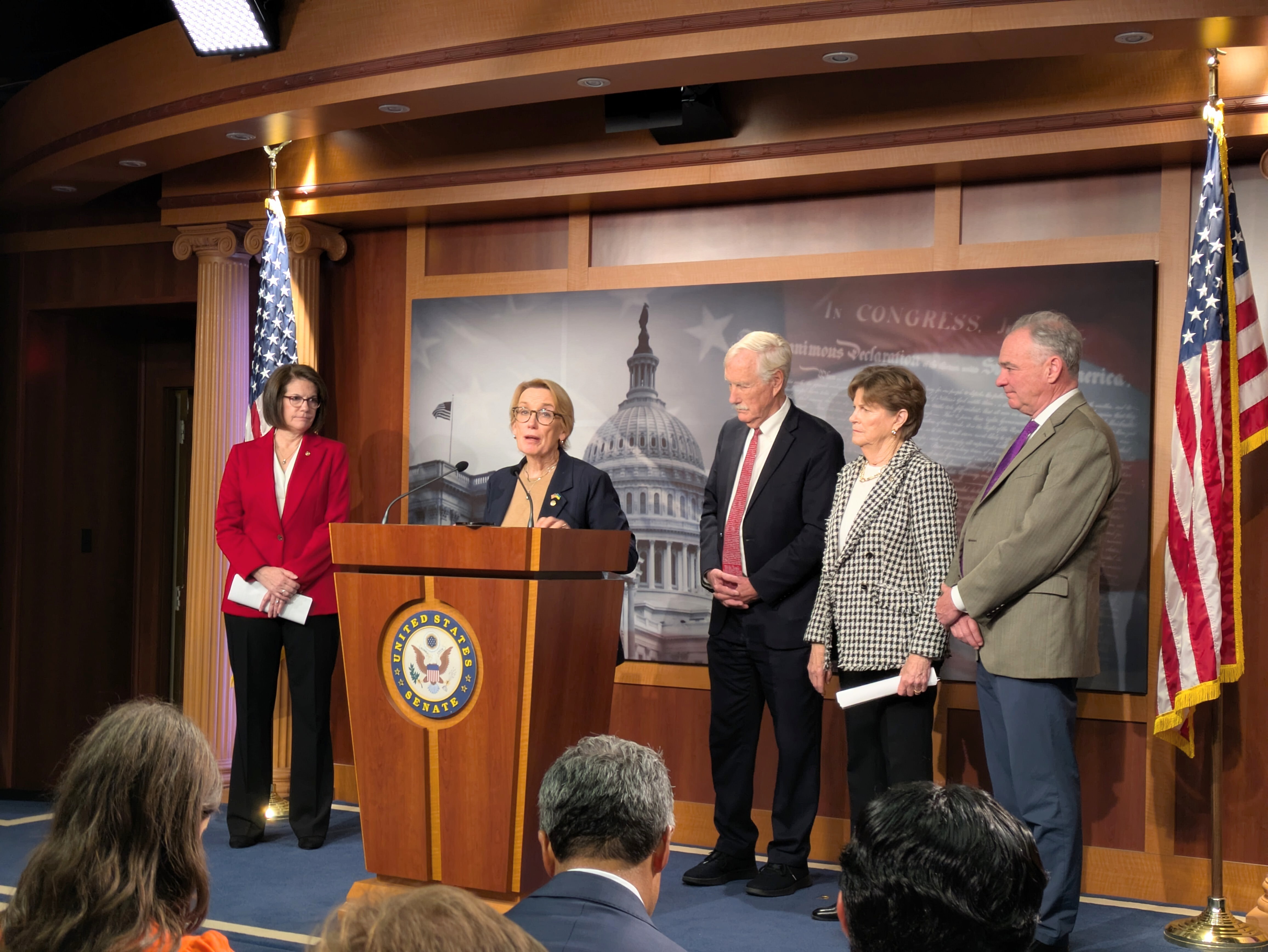
“Who’s benefiting from the results of this? You know, shareholders in these corporations, owners of these corporations that are wanting to develop,” said Grant Gilmore, director of the Historic Preservation and Community Planning Program at the College of Charleston. “But us as citizens, our ability to engage and be citizens of the United States is literally being removed, especially on major multibillion-dollar projects that will be coming through for this.”
“That compromise process is being removed. Now it’ll become: the federal government wants to build this road so we’re going to build this road, and we don’t care about who impacts, whether there is cultural heritage from the past or whether it’s people that are living today that are concerned about that cultural heritage.”
Gilmore warned the changes could create “a constitutional crisis” and lead to lawsuits. Brian Turner, president and CEO of the Preservation Society of Charleston, pointed to the ongoing Battery Seawall project as a live example of what is at stake.
Because the seawall is jointly funded by the federal government and local partners, the city currently holds bargaining power with the U.S. Army Corps of Engineers to demand a design that respects the historic district’s character, not just a concrete barrier.
“If the Corps no longer has that responsibility to provide something that’s visually and aesthetically appropriate, then the taxpayers of Charleston and the government of Charleston is on the hook to make that happen.”
Turner emphasized that Title III of the bill reaches far beyond the energy and infrastructure projects cited in its headlines. “It applies to everything and every way federal agencies work within local communities, not just with respect to transportation and infrastructure projects,” he said. Advocates are not opposed to streamlining permits, Turner added, but argue the bill guts the public input that improves outcomes.
Preservation groups are rallying behind an amendment from Sen. Adam Schiff, D-Calif., that would strip Title III from the legislation and leave the existing Section 106 framework intact. So far, the amendment has drawn only Democratic support. “Historic preservation is not and should not be a partisan issue,” Turner said.
Jones urged Charleston residents to contact South Carolina’s U.S. senators, Darline Graham and Tim Scott, and leave a simple message: “We support the Schiff Amendment. Please do not strip out Section 106 of the National Historic Preservation Act.” WCSC reached out to both Senate offices for comment but had not received a response at the time of publication.
Keep reading

LEGOLAND New York Resort: 90-Minute Drive, Coach USA Bus & Hotel from NYC
Sixty miles from Midtown Manhattan, a weekend disappears into a theme park built for children who still believe...

10th Circuit Overturns Ruling Requiring FEMA to Pay Emotional Distress Damages for New Mexico Wildfire Victims
The U.S. 10th Circuit Court of Appeals on Tuesday overturned a lower court ruling that would have forced...
ACLU Coordinates 3,000 Early-Vote Events, Largest Single-day Activation
Tomorrow, voters across the country will head to the polls for the 2026 midterms, and the American Civil...

Lawrence Mayor Bobbitt Considers Primary Challenge to 85-Year-Old Sen. Turner
Lawrence Mayor Christopher Bobbitt has called state Sen. Shirley Turner to tell her he is seriously considering a...