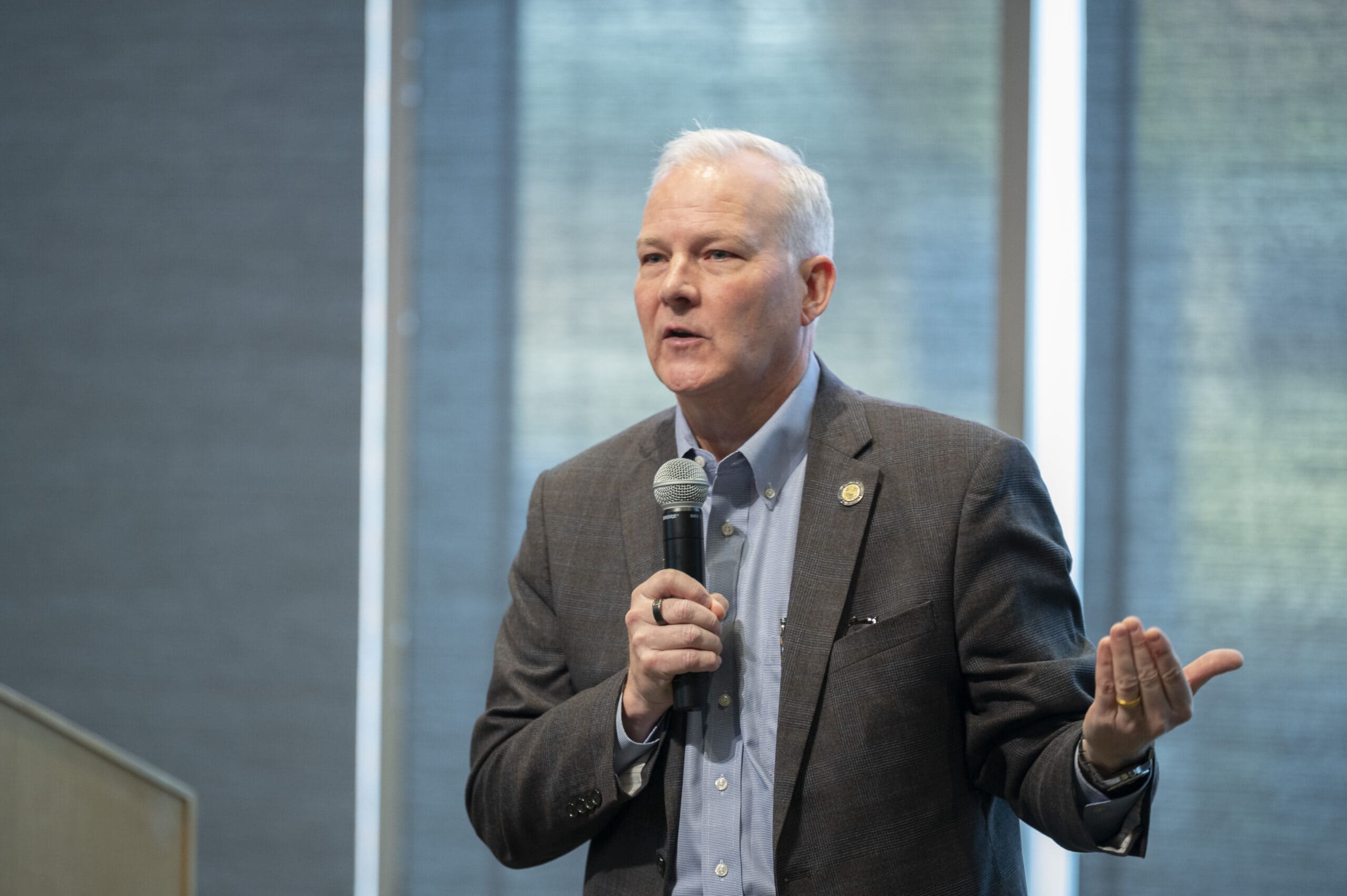
On October 29, 2026, 81 University of Arkansas for Medical Sciences (UAMS) students participated in a hands‑on naloxone training session at the UAMS Library’s Active Learning Center. The session, organized by the Office of Interprofessional Education (IPE), equipped students with tools to reverse opioid overdoses, including naloxone kits and drug‑identification kits containing a fentanyl test strip, rubber gloves, a safe disposal bag and an identification card.
The training coincided with a press conference marking the 20th such event under Attorney General Tim Griffin’s “One Pill Can Kill” initiative, which has provided drug‑identification kits to 15 college campuses in Arkansas. “UAMS plays a critical role in educating and training Arkansas’s future healthcare professionals. Educating young people about the dangers of illicit opioids and equipping them to save lives is critical to protecting Arkansans,” Griffin said.
The Human Cost of a Silent Epidemic
Josh Hankins, an alcohol and drug counselor at Little Rock Recovery, shared his personal trauma: “My whole generation was wiped out because of opioid abuse. I had 39 friends, people that I grew up with that I will never see again, fentanyl took away all of that.”

“If naloxone was a thing during that time period, I’d like to think a lot of those people would be alive today.” — Josh Hankins, alcohol and drug counselor
Over the past three years, Hankins has led more than 80 community‑based classes through UAMS’s Arkansas Naloxone Education Training (ANET) program.
Interprofessional Education as a Model for Change
The IPE’s approach—bringing together students from UAMS’s five colleges—reflects collaborative learning across the university. Barnes said, “The Attorney General’s office and UAMS aren’t simply handing out Narcan. The goal is to teach people what to do in an emergency, so they can potentially save a life.”
UAMS Chancellor C. Lowry Barnes also recognized Stephanie Gardner, Pharm.D., Ed.D., UAMS provost and chief strategy officer, and Michael Mancino, M.D., program director of UAMS’s Center for Addiction Services and Treatment, for their efforts to address the opioid threat in Arkansas.
The Road Ahead
Griffin emphasized that the initiative aims to equip students with knowledge and tools that can make a difference in their own lives and in the communities they will serve.
Related reading

Understanding microclimates in South-Central Kentucky – WBKO
South-Central Kentucky Experiences a 20-Degree Temperature Split Due to Local Microclimates Foggy and cold weather in one pocket...

Billings eyes more parking at Amend Recreation Campus after busy weekend – KTVQ
“We knew that there was going to be crazy busy,” said Chris Martin, facility supervisor at the Amend...

New Mexico US Rep. Leger Fernández’s bill would require mining companies to pay royalties
New Mexico Rep. Leger Fernández Unveils Landmark Bill to Charge Mining Firms Royalties, Block Foreign Extraction U.S. Rep....

Cole County plans $1.3 million facility renovation – ABC17NEWS
Cole County is planning an approximate $1.3 million renovation of its emergency services building as officials continue exploring...