A Day on the Water Reveals a Hidden World Beneath the Surface
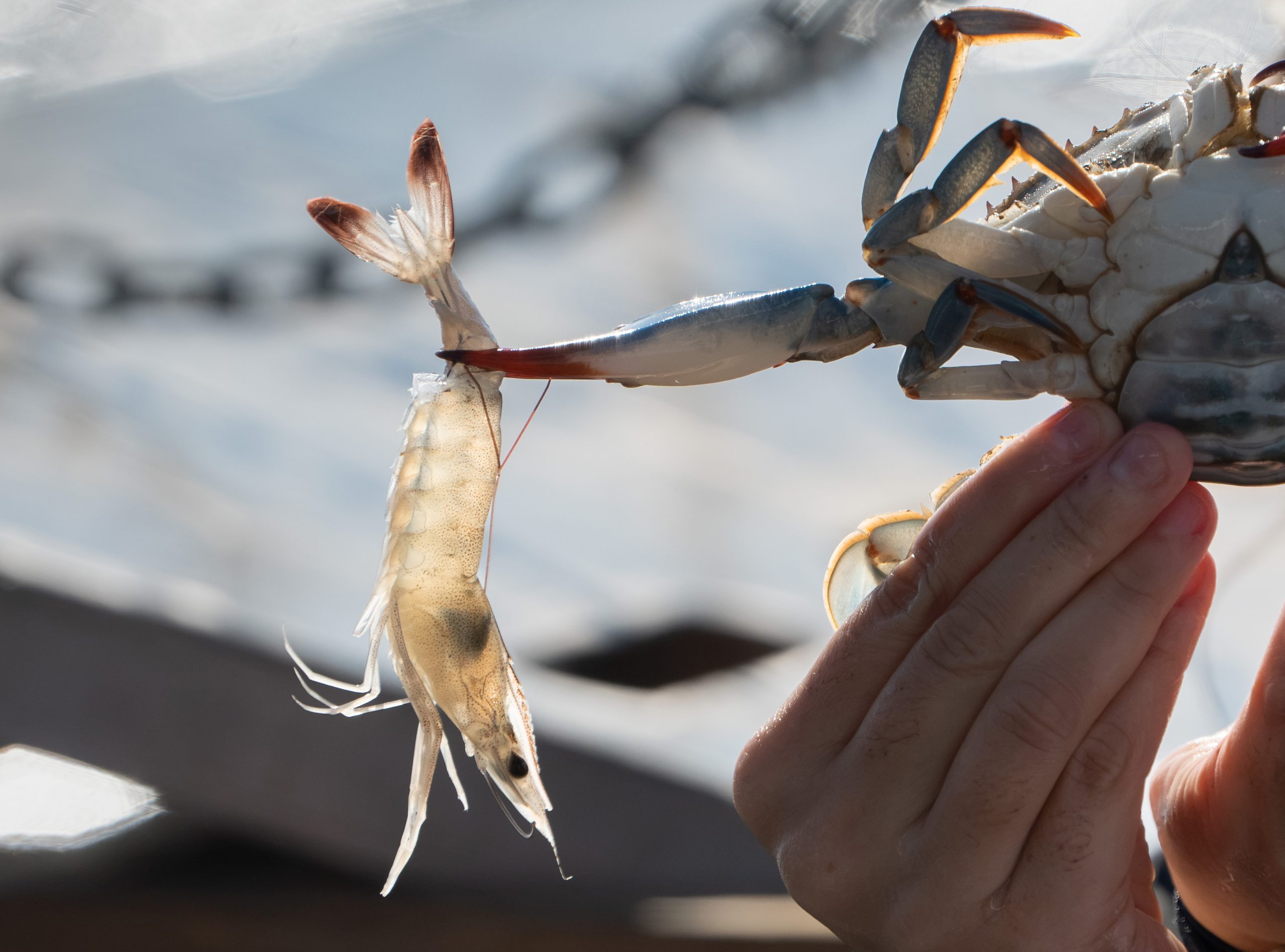
On a brisk October morning, 18 passengers boarded the R/V Sea Dawg, a 43-foot research vessel docked on Skidaway Island, not knowing what secrets the Wilmington River held. What they discovered—courtesy of a 15-minute trawl of the river bottom—was a bustling ecosystem of life, from a smooth butterfly ray to a female blue crab clutching a white shrimp in its claw. This hands-on outing, known as Trawl-O-Ween, is more than just a cruise; it’s a deep dive into the health of Georgia’s tidal rivers, a living laboratory where data collected helps scientists and policymakers understand the marine environment we often take for granted. The Current reported on this unique educational journey, which is hosted by the University of Georgia’s Marine Extension and Georgia Sea Grant.
For many, the experience is a revelation. People often expect the murky waters to yield mostly shrimp, but the diversity of the catch is staggering. Aquarium curator Lisa Kovalanchik and marine educator Shannon Matzke guide passengers through not just identifying and counting the animals, but also understanding their role in the ecosystem. Before the net even hit the water, Kovalanchik led the group in measuring water temperature, salinity, and dissolved oxygen—critical data points that contribute to years of records on the region’s marine life, which are then shared with the Georgia Department of Natural Resources.
A Trawl Through Time and Tide
The heart of the Trawl-O-Ween experience is the trawl itself. Led by Capt. Todd Recicar, the Sea Dawg traveled from the Skidaway River into the Wilmington River, where a 26-foot net was dragged along the bottom. As the net hauled in its bounty, a sense of anticipation filled the air. “It’s always exciting. You never know what you’re going to get,” Matzke told the passengers before the trawl began, a sentiment that proved true time and again.
The catch was a cross-section of riverine life. There was a gar, an Atlantic brief squid, portly spider crabs, and the mantis shrimp. Each animal is carefully examined. Some are kept to feed the residents of the UGA Marine Education Center and Aquarium, while others are released back into the river, a small act of conservation in a much larger system.
Matzke, who held the smooth butterfly ray for passengers to see and touch, explained that the true magic isn’t just in seeing the animals, but in the connections people make. “There’s such a spark that happens when people make connections,” she said. That spark is the first step toward fostering a deeper understanding of and a desire to protect the coast. It’s a lesson that resonates long after the boat has docked.
From Discovery to Action
The education doesn’t stop when the trawl is over. Back on shore, the focus shifts from what’s in the water to what’s not: the trash and debris that threaten it. Participants learned about the Trawl to Trash initiative, a program aimed at keeping discarded fishing gear and other litter out of coastal waterways. Using recycled shrimp nets, the group got to work, weaving them into reusable bags designed for collecting trash along Georgia’s shores.
This practical, hands-on activity bridges the gap between awareness and action. It turns the awe of seeing a megalodon tooth fossil found in the river—the kind of detail that grounds the vastness of geological time in a tangible moment—into a tangible commitment to stewardship. The experience is designed to create a sense of wonder and curiosity that Matzke believes is essential for conservation. When people understand what they have, they’re more inclined to protect it.
The data collected, from salinity levels to the types of species caught, forms a crucial part of this effort. It helps scientists track changes over time, monitor the health of the estuary, and inform management decisions. While the immediate goal of Trawl-O-Ween is education, its long-term impact is the creation of informed citizens who can advocate for the health of their local environment.
She said experiences like Trawl-O-Ween help foster “a sense of wonder and curiosity” that can lead to a deeper understanding of the coast and a desire to protect it.
Building Constituency for the Environment
So, why does a day on the Sea Dawg matter beyond the novelty? For the communities along Georgia’s coast, the health of the tidal rivers is not an abstract concept; it’s the foundation of their economy and way of life. Commercial and recreational fishing, tourism, and even the real estate market in coastal areas are all directly tied to the quality of the marine environment.
Events like Trawl-O-Ween help to build a constituency for that environment. When a parent sees a gar up close or a child gently touches a spider crab, they’re not just learning biology—they’re forging a personal connection to the river that can translate into public support for policies that protect it.
As climate change brings new challenges to coastal ecosystems, this baseline understanding of species diversity and water quality becomes increasingly important. The work of the University of Georgia’s Marine Extension and Georgia Sea Grant, supported by the Georgia Department of Natural Resources, provides a critical service by monitoring these changes and sharing that knowledge.
Worth a look

Tallahassee’s Reshaped City Commission Outlines New Goals
Tallahassee's New Commission Shifts Course as Progressive Majority Takes Hold On Tuesday, Tallahassee voters reshaped the city's political...

Atlanta Man Convicted for Leading Nationwide Drug Trafficking Ring
Guitar Amplifiers and Stolen Accounts: The Roderick Battle Drug Conviction Think you know a clever way to move...

Corey Day and Kyle Larson talk wall riding at Homestead
The High Lane Gambit at Homestead In the high-stakes world of NASCAR, where championships are often decided by...

Colorado Supporters Declare Victory on Graduated Income Tax
Colorado Voters Approve Historic Graduated Income Tax Supporters of Amendment 87 declared victory on Thursday as the measure...