
UN climate talks in Antalya collapsed on Sunday after the European Union, the United Kingdom and small island states refused to adopt a draft agreement that omitted any mention of fossil fuels, the primary driver of global warming, The Irish Times reported.
The failure marks the first time since Copenhagen in 2009 that a Conference of the Parties has ended without a cover decision, the political statement of unity that has become the public benchmark for success at the annual summits, according to the BBC. The negotiations, co-hosted by Turkey and Australia, ran two days past their Friday deadline to become the longest COP in history, surpassing the 44-hour overrun of COP25 in Madrid in 2019, The Independent reported.
A third draft text delivered at 4 a.m. Sunday listed “multi-hazard early warning systems” as its first concrete solution while dropping explicit language on phasing out coal, oil and gas, The Irish Times reported.
The document retained only a technical reference to the COP28 agreement to “transition away” from fossil fuels — a pledge The Irish Times noted was not honoured and now appears subject to an “unwritten rule” against being mentioned again.
EU Objects to Cover Decision over Fossil Fuel Omission
Ireland’s Environment Minister Darragh O’Brien, negotiating for the EU Council presidency, told the closing plenary the bloc “strongly objects” to the cover decision in both its iterations. “It is unconscionable that we would have a climate act that make no reference to fossil fuel, no reference to transition away from fossil fuel either,” O’Brien said, according to the Irish The Independent. He added that the EU “cannot allow the COP process to be hijacked by the self-interest of the few at the expense of the many.”
“We will not endorse a decision that does not respond to the science and that actually risks deepening the chasm between global commitments and the action required,” O’Brien said. The draft bore “the fingerprints and priorities of petrostates all over it,” The Irish Times reported.
A first draft on Monday had mentioned fossil fuels six times, but oil-producing nations, led by Saudi Arabia, forced their removal, the BBC reported. Saudi delegate Mohammad Ayoub argued Arab countries accounted for only a small share of historical emissions. Russia warned against moving away from fossil fuels too quickly, citing risks of “fuel poverty,” the BBC added.
Developing Nations Reject Text over Missing Finance Commitments
Developing nations rejected the text over the absence of concrete financial commitments from wealthy countries to help them adapt to worsening climate impacts, the BBC reported. The draft recognised previous finance pledges but advanced no new figures or baselines. The Irish Times reported the EU’s stance — that only existing commitments would be honoured — reflected “woolly references to climate finance for poor countries” and drew criticism from ActionAid Ireland. “Until wealthy polluting countries can stop seeing climate finance as a zero-sum game, climate talks will fail in their job of keeping humanity safe from rising temperatures,” said Karol Balfe of ActionAid Ireland, speaking to The Irish Times. COP31 President Murat Kurum acknowledged there was no consensus and said no new text would be produced.
“We have done our utmost; ultimately, we have not imposed this text on anyone,” Kurum said, according to The Guardian. “We have done our utmost; ultimately, we have not imposed this text on anyone, nor have we issued an ultimatum such as a ‘take it or leave it’ demand,” he said.
We recognise that there is no consensus on this document.” UN climate chief Simon Stiell told the BBC the consensus process “certainly fell short today,” though he noted significant progress on sectoral agenda items, including a “just transition” framework for workers in high-carbon industries. At the same time, “the impacts of climate change are getting worse”, he said, raising the stakes.
Delegates Depart Antalya Without Cover Decision
Delegates leave Antalya without a cover decision but with agreements on smaller items that can drive action in individual sectors. The Irish Times reported the collapse calls into question the future of cover decisions and the consensus rule itself. “Cover decisions might be considered the exception rather than the norm in future,” the paper noted. There is no ambiguity in the science,” UN Secretary-General António Guterres said, according to The Guardian.
But this setback does not change the facts. There may be no consensus in the negotiating room. There is no ambiguity in the science.” “There was a disconnect between what governments were talking about at the meetings and what is the reality on the ground,” said Deirdre Duffy of Friends of the Earth Ireland. “Fossil fuel giants will be dancing in their boardrooms.
More on Antalya
Now that #COP31 has concluded, I want to send a message to civil society, young people, Indigenous Peoples, scientists & frontline communities: Keep spreading the facts. Keep demanding #ClimateAction. Keep turning up the heat. Hold governments and companies to account.… pic.twitter.com/Nvsp2FOHeh
I'm deeply disappointed that #COP31 has ended without consensus on an overarching outcome. I share the very profound frustration of all those who expected governments to rise to the moment the climate crisis demands. But this setback does not change the facts. There may be no… pic.twitter.com/SBMZPpfU5l
🌍 Calls for a stronger climate deal intensified as #COP31 reached its final scheduled day. Countries across regions demanded explicit action on fossil fuels and stronger climate finance. Read the report from Antalya 👇https://t.co/hrgsH3Zfb9
Related reading

Democrats Secure Historic 258-Seat House Majority, Largest Since 1992
House Democrats have secured their largest majority since 1992, winning at least 258 seats and creating divided government...

Paolo Bulgari Dies Aged 89, Leading Bvlgari Jeweler
Paolo Bulgari, who steered his family's Roman workshop into a global luxury house and later shepherded its sale...
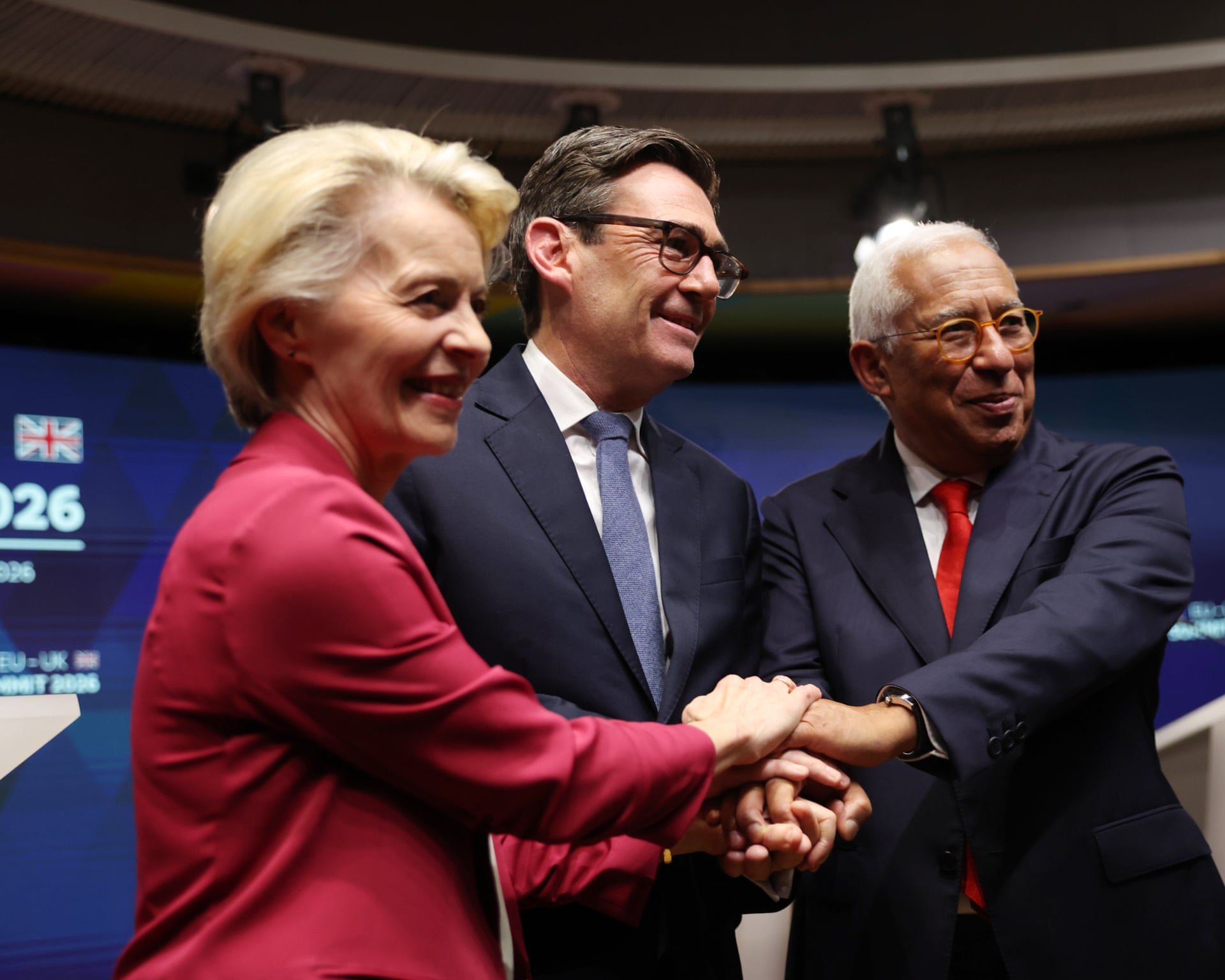
Burnham Agrees ‘Landmark’ EU Package With £17bn Boost, Youth Mobility Cap Raised
UK Prime Minister Andy Burnham signed a package of agreements with the European Union in Brussels on Friday,...

Six Zodiac Signs Find Relief as Astrological Transits Promise
Two astrological transits promise relief for three zodiac signs on Monday, November 23, 2026, with Jupiter turning direct...