
AI Fuels Misinfo, Turning Migrants into Targets as Global Trust Erodes
Geneva, 2 November 2026 – The head of the UN Migration agency issued a stark warning today that artificial intelligence is supercharging misinformation about migration, turning public anxiety into suspicion and vulnerable people into targets. This digital distortion is causing public trust in migration governance to crumble worldwide, Director General Amy Pope said at the opening of the International Dialogue on Migration (IDM) in Geneva.
The threat is not abstract. The IOM, reporting the same warning, detailed a global situation under pressure from economic uncertainty, conflict, and climate change. These forces are testing governments and communities, creating a fertile ground for falsehoods to take root. “People’s concerns are real, and we have to take them seriously,” Pope stated. “We also have to be honest about where our systems are falling short.”
The Shrinking Space for Action
The space for constructive action is rapidly closing. False and misleading narratives about migrants, spread through social media and increasingly generated by AI, are deepening polarization and mistrust within societies. As this trust erodes, governments face greater public resistance, leaving them with less political capital to cooperate on migration issues. The most immediate and brutal consequence is that migrants are left exposed to greater risks along their journeys. This crisis arrives as development funding shrinks and international cooperation faces unprecedented strain.

“Facts and figures alone won’t win back public confidence. Institutions have to listen, and they have to act, even when what they hear is uncomfortable.”
— DG Amy Pope, International Organization for Migration
The stakes are monumental. The IOM reports that more than 304 million people now live outside their country of birth, including 168 million migrant workers. Nearly half of all international migrants are women and girls, who face heightened risks of discrimination, abuse, and exploitation. The economic impact is also vast. Money sent home by migrants reaches around one billion people—roughly one in eight people on the planet—and pays for food, schooling, and healthcare.
A Call for Three-Pronged Action
In response, DG Pope outlined a three-pronged strategy to rebuild trust and manage migration more effectively. First, she called for countries along the same migration routes to plan collaboratively. This means expanding regular pathways for migration, strengthening protection for migrants, managing borders humanely, and supporting dignified returns. Second, she advocated for early investment in communities hit hard by climate-related disasters like repeated floods and failing harvests. The goal is to allow people to stay in their homes when possible and to move safely when they must. Third, she insisted that reliable data and the voices of affected people must be central to decision-making, using technology that protects individuals’ information and guards against algorithmic bias.
“Trust is earned one step at a time. Every agreement we honor, and every person we treat fairly, makes cooperation stronger,” Pope said.
The Road Ahead: A Critical Moment for Global Policy
This warning from the IOM comes at a critical juncture in global migration policy. In May, a record number of States and stakeholders reaffirmed their commitment to safe, orderly, and regular migration at the International Migration Review Forum. Looking ahead, the UN will review global progress on the Sustainable Development Goal target for well-managed migration in July 2027. This will be followed by the SDG Summit in September 2027, where discussions will begin on what comes after the 2030 Agenda. The IDM, which is celebrating its 25th year this time, serves as a key forum for these dialogues. Its outcomes will feed into the IOM Council in December, which will host a high-level panel specifically on “Strengthening Political Trust for Migration Governance.”
Related reading

Democrats projected to gain Congress majority as Trump rails against results
A Historic Blue Wave Washes Over Congress, Trump Lashes Out President Donald Trump is railing against the midterm...

Actress Kimmarie Johnson Dies at 50 After Medical Emergency
Actress and model Kimmarie Johnson, known for her roles in Beverly Hills, 90210 and Dude, Where's My Car?,...
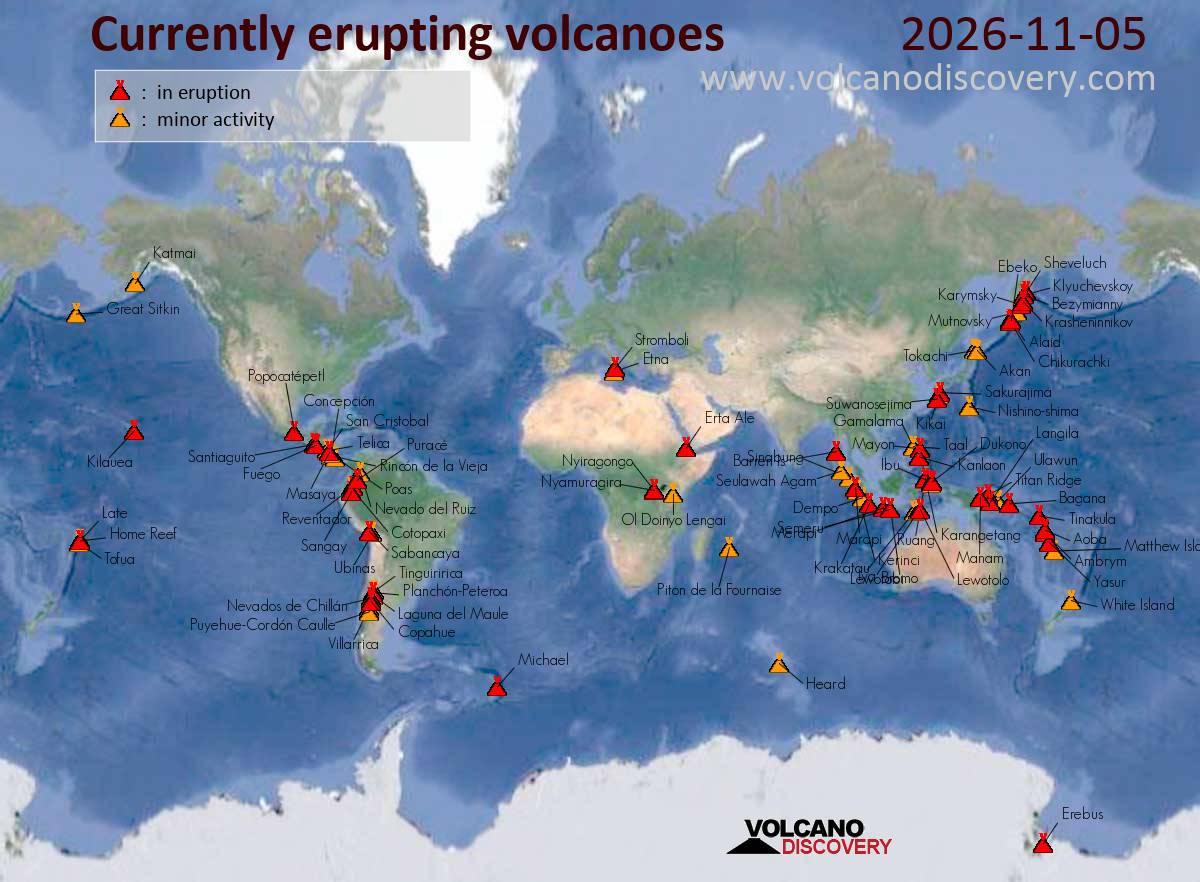
Global Volcanic Activity Report: Major Eruptions and Ash Advisories
A Global Volcanic Surge Tests Aviation and Coastal Communities A volcano in Ecuador sent an ash plume soaring...

Melania Trump Hosts Russian and Ukrainian Officials at White House to Push for Lasting Peace
First Lady Melania Trump Urges Enduring Peace as She Hosts Russian, Ukrainian Officials “Together, we can create something...