NOAA has formally designated the University of North Dakota as one of three universities nationwide to build a direct pipeline into the cockpits of its hurricane hunters and high-altitude research jets.
The selection, announced Nov. 10 by NOAA’s Office of Marine and Aviation Operations, creates the agency’s first Cooperative Aviation Centers alongside the Florida Institute of Technology and Kansas State University Salina. This is the first time NOAA has created an official college track for pilots who fly into hurricane eyes, map coastal erosion, and track atmospheric rivers.
Students apply in the spring of their sophomore year and, if accepted, enter the program in the fall of their junior year. They are paired one-on-one with an active-duty NOAA Corps officer for mentorship and professional development. Before senior year comes a fully funded, 10-week summer internship at the Lakeland operations center — flight simulator time included — which may count toward degree credit.
The structure blends UND’s existing Part 141 flight curriculum with operational exposure no civilian flight school can replicate. Participants also receive a competitive advantage when applying for a NOAA Corps commission, though the agency stresses the program does not guarantee an appointment or an aviator slot.
“We are thrilled to have the University of North Dakota selected as one of the inaugural schools in the NOAA Cooperative Aviation Center,” Rear Adm. Chad M. Cary, NOAA Corps director and NOAA Marine and Aviation Operations assistant administrator, said.
NOAA cited UND’s academic rigor, modern training fleet, and the integration of STEM coursework across its aviation and atmospheric sciences departments. The university already counts several alumni in the NOAA Corps, and the new center formalizes recruitment visits and faculty collaboration that have until now been ad hoc.
Florida Tech brings proximity to the Lakeland base and a long history of feeding corporate and airline cockpits. Kansas State Salina adds a Midwest operational footprint and a strong unmanned-aircraft program that aligns with NOAA’s growing drone portfolio. Together, the three schools cover distinct training environments — coastal, northern plains, and central plains — giving the agency geographic diversity in its recruiting base.
NOAA has not published a public breakdown of each school’s application score or the comparative selection criteria. The agency’s announcement simply lists common student opportunities and the role it expects to play through university recruiting events and career fairs.
The first student applications open in spring 2027. How many slots UND will receive, whether the internship guarantees a direct hire into the Corps, and how the program scales beyond the inaugural cohort are details NOAA has not yet released. The agency’s FAQ describes the center as a collaboration with accredited collegiate aviation universities, but the total number of centers planned for future years is undisclosed.
For now, the designation gives UND students a mapped route to a flight career that sits at the intersection of public service and cutting-edge science — flying where satellites cannot see, collecting the data that feeds every forecast model in the country.
Related reading
- Georgian Seminarian Translates Book of Common Prayer, Defines Episcopal Mission
- South Dakota Breaks Six School Records at Mid-Season Classic Opener
- Èter Named Restaurant of the Year at the 23rd METRÓPOLI Gastronomy Awards (world-today-news.com)
- RBA's Fifth Hike Adds About A$94 a Month on A$600,000; Three Voted to Hold (daybreakwire.com)
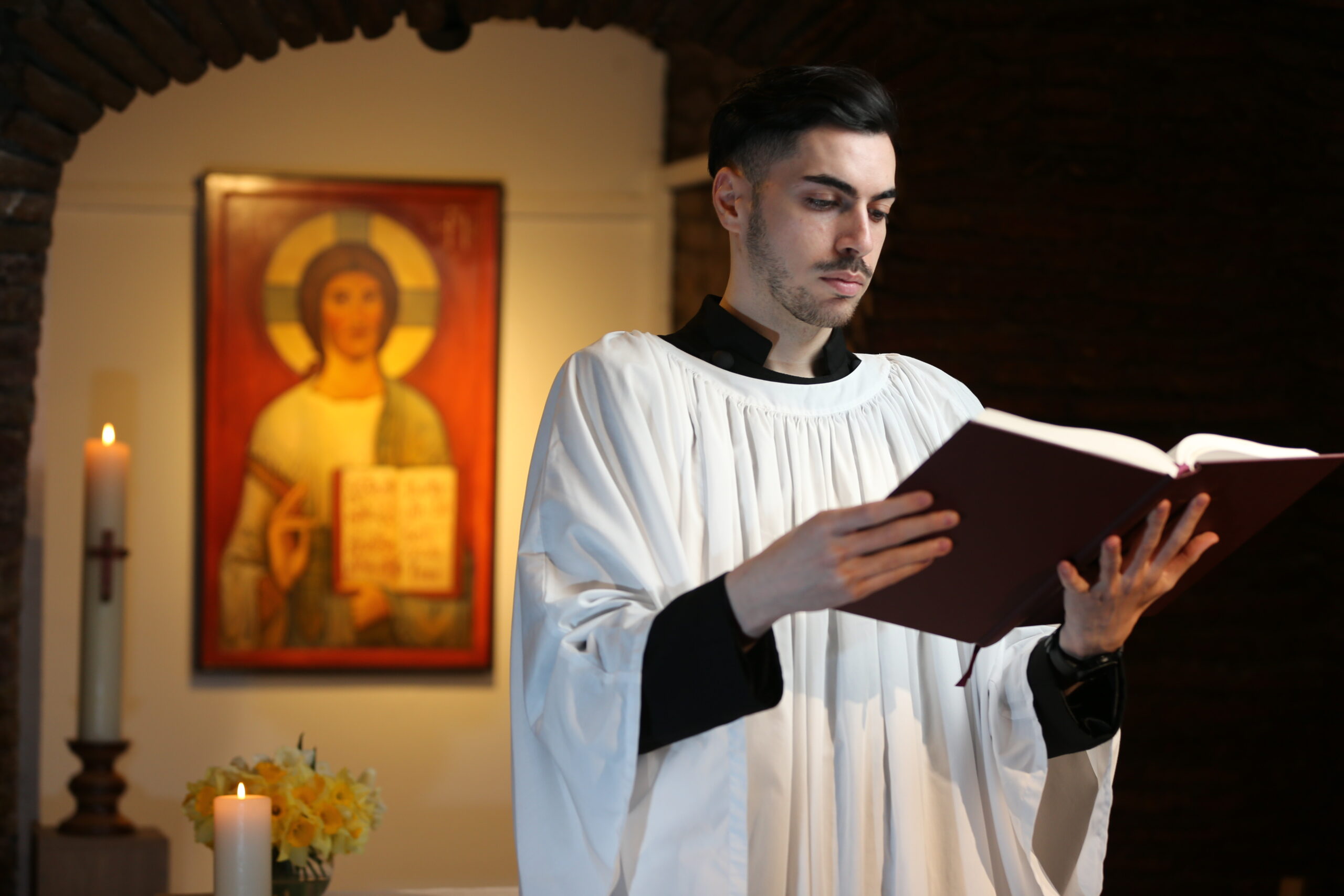
Georgian Seminarian Translates Book of Common Prayer, Defines Episcopal Mission
Thoma Lipartiani, a senior Master of Divinity student at Virginia Theological Seminary, has completed a new translation of...

South Dakota Breaks Six School Records at Mid-Season Classic Opener
South Dakota opened the Coyote Mid-Season Classic at the USD Natatorium on Thursday. The Coyotes opened the Mid-Season...

Topeka North Outreach Hosts Weekly Senior Luncheon for Five Years
For five years running, the Topeka Church of the Brethren has opened its doors every Wednesday for the...

NYC Bans Horse-Drawn Carriages, Ending 160-Year Central Park Tradition
New York City has officially outlawed its horse-drawn carriage industry, ending a 160-year tradition in Central Park when...