| Claim | UAINE position | Town of Plymouth position |
|---|---|---|
| Stage requirement | Obligated under 1998 agreement; provided 2014–2025 without incident | Not required by original agreement; offered alternative locations |
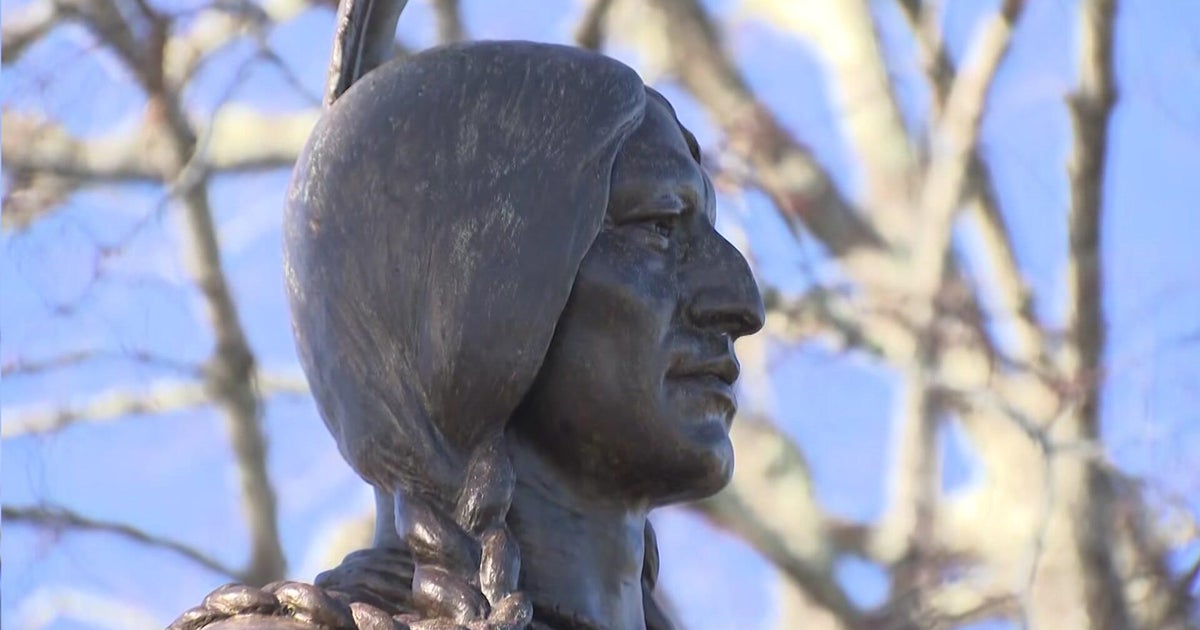
United American Indians of New England (UAINE) is asking Plymouth Superior Court for a temporary restraining order to force the town to provide a stage for Thursday’s National Day of Mourning, the same stage the town supplied without conditions from 2014 through 2025, CBS News reported.
- UAINE filed an emergency motion Monday over the town’s refusal to erect the stage without insurance
- The dispute centers on a 1998 settlement that followed 25 arrests at the 1997 demonstration
- Plymouth Select Board voted Nov. 10 to break the 1998 agreement, according to UAINE
- Both sides appear in court Monday; the event is scheduled for noon Thursday on Cole’s Hill
Stage and insurance at the core
And that’s why we just ask for some type of certificate of insurance to protect the town against any liability.” The town has offered alternatives — UAINE hiring an outside vendor, providing its own insurance, or moving to Pilgrim Memorial State Park’s bandstand.

UAINE leaders reject every alternative. “We want the town to return to the original terms of the agreement and provide the staging as it was done from 2014 until 2025 without incident,” Jean-Luc Pierite, of the North American Indians Center of Boston, told CBS News. Mahtowin Munro, UAINE co-leader, added: “It is stunning to us that Plymouth is doing this over such a seemingly small thing. We think it’s because they want to protect their narrative of Thanksgiving and their tourism, possibly,” she told the Boston Globe.
“For whatever reason, it does appear to us that the current town administrator and some other officials are hostile to the National Day of Mourning,” Munro said. Brindisi denied that the town is trying to muzzle the ceremonies.
“We believe in the Day of Mourning. We are asking them to collaborate a little more than they have in the past,” he told the Boston Globe. A town statement said Plymouth “has gone above and beyond to accommodate UAINE’s event, including facilitating accessible parking, assisting elders, identifying locations for meals and extended observances, and coordinating with police and fire officials.”
1998 settlement followed police crackdown
The agreement originated after more than 100 police officers surrounded demonstrators at the 1997 National Day of Mourning, resulting in 25 arrests and several injuries, according to UAINE’s account to GBH. Charges were later dismissed. In 1998, UAINE dropped a civil-rights suit; Plymouth dropped the charges and agreed UAINE could “rally and march every Thanksgiving without interference or requiring permits,” Munro told GBH.
In response, “Plymouth dropped the trumped-up charges and agreed that UAINE has a right to rally and march every Thanksgiving without impediment or red tape from the town,” Munro said in a statement. The stage, UAINE says, was a practical necessity for speakers and American Sign Language interpreters. “We have deaf people who attend every year,” Munro said. “It’s really important to us that the deaf community be included.”
Second year of legal action
Last November the two sides reached a settlement days before the holiday after UAINE sued over similar insurance and staging demands. This year, UAINE’s court motion says the town has “doubled down on its repudiation” of the agreement. The motion argues that conditioning the stage on insurance is not content-neutral: “The loss of First Amendment freedoms, even for minimal periods, constitutes irreparable injury.”
The day “is solemn, spiritual, and political,” according to the emergency motion filed Monday in court. “Participants fast, gather at Coles Hill, begin with prayer and ceremony, hear speeches from Indigenous speakers, march through downtown Plymouth, and close with prayer and ceremony.”
Brindisi denied any effort to suppress the ceremony. “We believe in the Day of Mourning. We are asking them to collaborate a little more than they have in the past,” he told the Boston Globe. A town statement said Plymouth “has gone above and beyond to accommodate UAINE’s event, including facilitating accessible parking, assisting elders, identifying locations for meals and extended observances, and coordinating with police and fire officials.”

Thursday’s gathering will proceed
The 57th annual National Day of Mourning is scheduled for noon on Thanksgiving, November 26, on Cole’s Hill. “We’ve been doing National Day of Mourning since 1970, and we’re not going to stop,” Munro told GBH. “National Day of Mourning is an institution in this region, and people even come from other parts of the country and Canada and Central America to attend it.” The court hears arguments Monday.

Lions’ Run Game Adjusts as Gibbs Reaches 1,000 Yards, 15 TDs in 10 Games
The Detroit Lions have won six straight games entering a Thanksgiving Day matchup with the Chicago Bears, fueled...

Ferrari’s Vasseur Warns Hamilton and Leclerc Clashes ‘Cannot Continue’ After Las Vegas Collision
"This cannot continue," Ferrari team principal Frederic Vasseur said after the Las Vegas Grand Prix on Sunday, delivering...
Baltic Kiss to Reopen as Baltic Lounge; Betty Reid Soskin Bound for California Hall of Fame; San Pablo Sets Measure R Priorities, Comments Extended on San Pablo Avenue Project; US Loses Measles Elimination Status
The former Baltic Kiss restaurant and music venue in Point Richmond will reopen as Baltic Lounge under new...
Shirley Ann Pagluica, Child Pianist and Court Conservator, Dies at 91
Shirley Ann Pagluica, a pianist who performed with the Boston Symphony Orchestra at age 12 and later served...