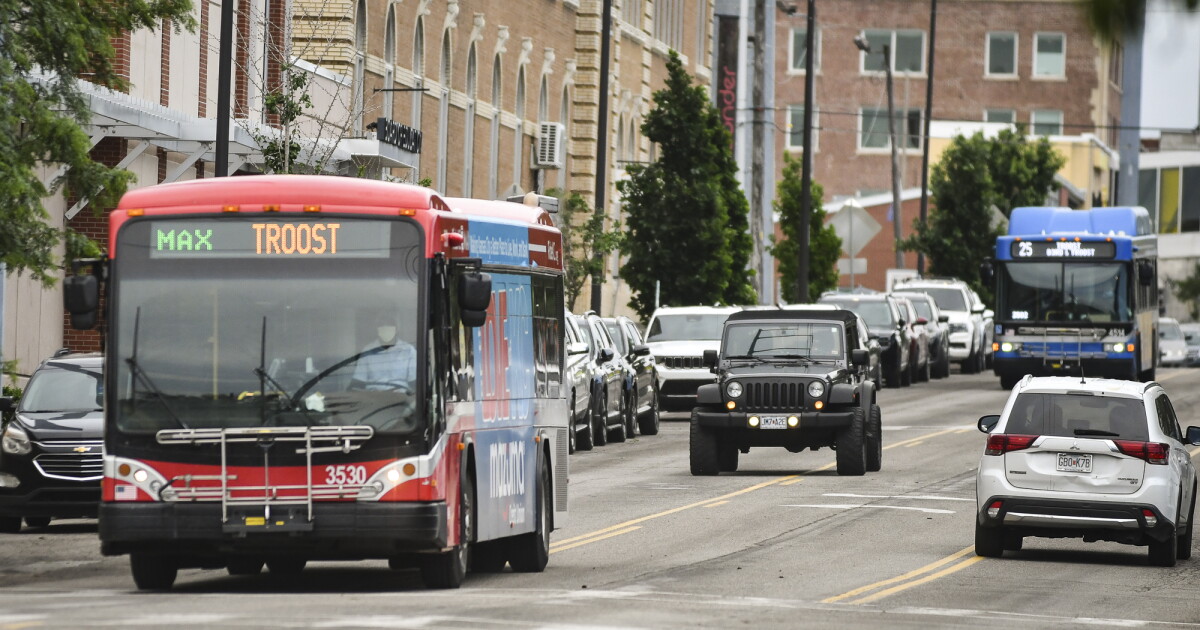
More than 55,000 free bus passes are headed to Kansas City riders over the next year, a lifeline for a system that just spent six years proving what zero fares can do.
Kansas City was the first major U.S. city to eliminate bus fares in 2020, a pandemic-era experiment that pushed ridership to 12 million and made transit a genuine public good.
But the federal COVID dollars that subsidized those rides evaporated, and a budget standoff between the City Council and the Kansas City Area Transportation Authority killed the zero-fare policy last year. Fares returned June 1 at $2 a ride, leaving nonprofits and riders scrambling.
“Transportation is a major driver of people’s livelihoods in our community,” said Kera Mashek, senior director of communications for United Way of Greater Kansas City. “Accessing employment, childcare, healthcare, education, social services — and so we don’t want anything to stand in the way of people continuing to access those needed community services.”
The United Way, KCATA and the city have now rolled out the second phase of what they call a “functionally free” model. Since June, the nonprofit has handed out 18,000 24-hour passes and enrolled 1,800 people in a reduced-fare program that cuts the cost in half. The new expansion adds 30-day, 90-day and 12-month passes to the mix, pushing the total distribution target above 55,000 passes by June 2027.
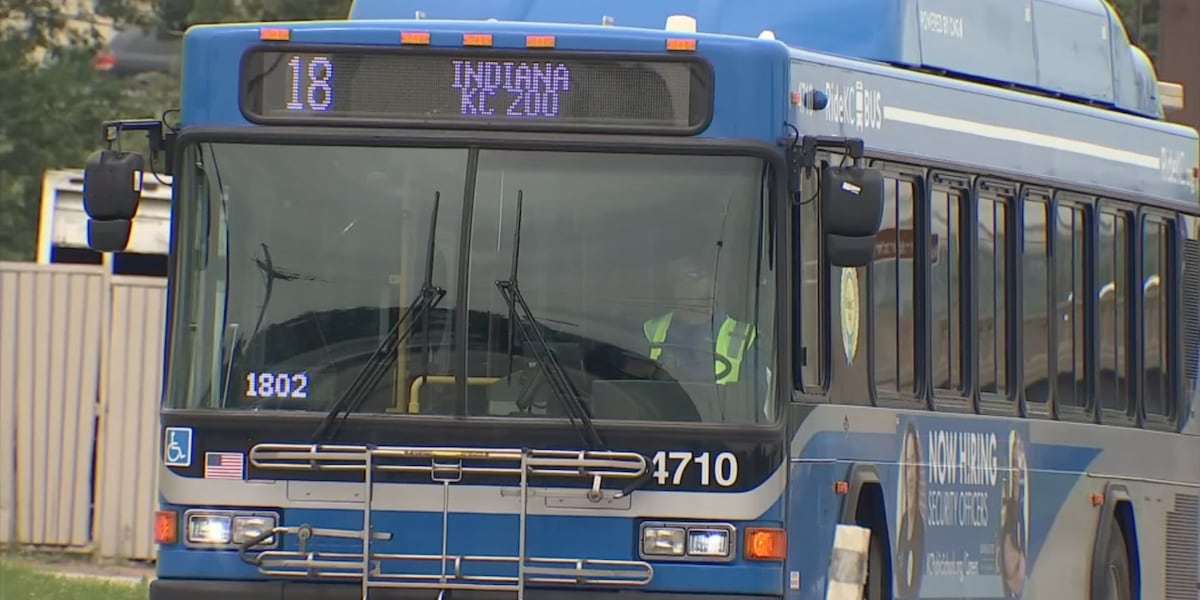
Not every pass works for every rider. The 24-hour cards — capped at 40,000 annually — are first-come, first-served at partner nonprofits for one-time emergencies. The 30-day passes (about 5,300 a year) serve as a bridge for people in transitional housing or job programs. The 90-day passes (5,000 a year) are digital-only and tied to workforce and economic-mobility initiatives.
The 12-month pass is the most restrictive. It is digital, renewable annually, and limited to 5,000 slots a year for Kansas City, Missouri, residents 18 or older who either receive means-tested benefits — Medicaid, SNAP, TANF, WIC, SSI, SSDI, VA disability, or public housing assistance — or earn no more than 150 percent of the federal poverty level. Applicants must show a photo ID, proof of benefits enrollment and address verification, then recertify every year.
Riders in Wyandotte, Johnson, Cass, Clay or Jackson counties outside Kansas City limits are ineligible for the yearlong pass but can still access the shorter free passes and the 50 percent reduced fare, which has no enrollment cap.
Kansas City, Missouri, is subsidizing the program, so its residents get the longest free rides. Drivers, meanwhile, had argued the zero-fare policy invited harassment — a claim that surfaced during the budget fights last year and helped sink the universal free model.

Andrea Perdomo-Morales, United Way’s chief impact officer, framed the expansion as progress rather than retreat. “The free day passes and half-off fare program have already provided important support, helping people across our community reach jobs, medical appointments, food pantries and other essential services,” she said.
“We’re excited to build on that progress by expanding the availability of free passes so more of our most vulnerable neighbors can stay connected to the resources and opportunities they need.”
United Way says transportation routinely ranks among the top five needs called into its 211 help line. The new passes can be requested online at unitedwaygkc.org/RideKC or by calling 816-472-4289 and pressing 3.
KCATA approved the $2 fare model in January; the “functionally free” framework wasn’t announced until months later, leaving a gap nonprofits are still trying to close.
Related reading

New Hampshire Fisher Cats’ “Space Potatoes” Identity Merges First Potato Crop With 1961 Hill Alien Abduction
The New Hampshire Fisher Cats, the Double-A affiliate of the Toronto Blue Jays, have adopted the "Space Potatoes"...

Marsha Geier, 71, Sioux Falls, Dies at University of Nebraska Medical Center
Marsha Geier, a nurse who spent 34 years at Mercy Medical Center in Sioux City and a grandmother...
Va. Schools Close Through Thanksgiving Break After 500 Staff Missed Child Abuse Registry Review, Acting Superintendent Says
Albemarle County Public Schools announced Wednesday it would close all 29 schools through Thanksgiving break after discovering more...

Las Vegas Thanksgiving Restaurant Guide: Menus & Prices From $26 to $150
Thanksgiving dinner at a Las Vegas restaurant will cost anywhere from $26 to $150 per person this year,...