
An injectable gel the consistency of hand sanitizer could let doctors regrow blood vessels inside damaged hearts and teeth, University of Houston researchers reported.
The peptide hydrogel, developed in the lab of biomedical engineer Vivek Kumar, combines a vessel-growth signal with a structural scaffold in a single material that can be injected directly into injured tissue and stay there long enough to work, the university announced. The findings appear in Science Advances.
“We figured out how to make the material stronger without interfering with the signal that tells blood vessels to grow,” said Kumar, an associate professor of biomedical engineering at UH. “We created something that can be injected directly into damaged tissue and stay there long enough to encourage blood-vessel growth.”
The approach targets therapeutic angiogenesis — the deliberate growth of tiny capillary networks that feed oxygen and nutrients to healing tissue — a goal that has eluded researchers for decades because growth factors, genes, and stem-cell therapies tend to wash away or degrade before they can build lasting vessels.
Kumar’s team previously built a peptide called SLan that mimics a natural protein and activates the cells that form blood vessels. On its own, SLan lacked the mechanical strength to persist in the body.
The breakthrough came when the researchers added a second peptide, K1, which self-assembles into stiff nanofibers. Mixed together, the two peptides form a hydrogel that delivers the biological signal while physically holding its shape at the injury site.
Graduate student Matthew Kuruvilla, a co-author on the paper, demonstrated the material’s injectability through a standard syringe needle — a practical requirement for any future clinical use.
The National Institute of Dental and Craniofacial Research has awarded Kumar a $3 million grant to test the hydrogel in dental pulp regeneration, potentially offering an alternative to root-canal treatment. In parallel, the lab is studying whether the same material can help repair heart tissue after a myocardial infarction and improve the integration of dental and orthopedic implants with surrounding bone and gum.
“Growing a healthy network of tiny blood vessels is essential for restoring blood flow to damaged tissue, helping engineered tissue survive after implantation and healing chronic wounds,” Kumar said.
The researchers view the SLan-K1 combination as a proof of principle. By showing that a signaling peptide and a structural peptide can be co-assembled without canceling each other out, they have established design rules for a family of customizable regenerative materials.
Kumar, born in 1984 to Indian parents and raised in Singapore, earned his doctorate at Georgia Tech and Emory University under Elliot Chaikof before postdoctoral work at the Wyss Institute and Rice University. He launched his independent laboratory at the New Jersey Institute of Technology in 2016, securing tenure there in 2022, and moved to the University of Houston as a tenured associate professor in 2025.
“We have identified design principles that could serve as a blueprint for creating other materials that guide cells to repair and regenerate damaged tissue,” Kumar said.
Worth a look

New Hampshire Fisher Cats’ “Space Potatoes” Identity Merges First Potato Crop With 1961 Hill Alien Abduction
The New Hampshire Fisher Cats, the Double-A affiliate of the Toronto Blue Jays, have adopted the "Space Potatoes"...

Marsha Geier, 71, Sioux Falls, Dies at University of Nebraska Medical Center
Marsha Geier, a nurse who spent 34 years at Mercy Medical Center in Sioux City and a grandmother...
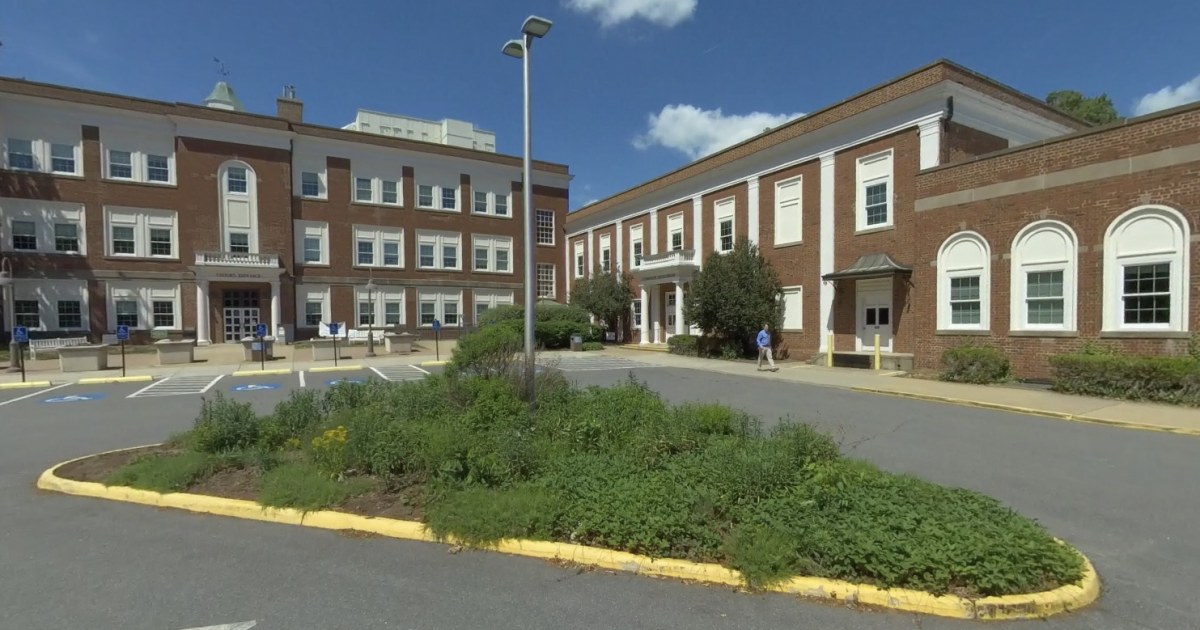
Va. Schools Close Through Thanksgiving Break After 500 Staff Missed Child Abuse Registry Review, Acting Superintendent Says
Albemarle County Public Schools announced Wednesday it would close all 29 schools through Thanksgiving break after discovering more...

Las Vegas Thanksgiving Restaurant Guide: Menus & Prices From $26 to $150
Thanksgiving dinner at a Las Vegas restaurant will cost anywhere from $26 to $150 per person this year,...