
Students Stage Albuquerque Walkouts
“Something that I’ve noticed is that a few of our professors would actually want us to use artificial intelligence. And I think that’s very unfortunate because I want humans to be creative.”
That friction between mandatory tech adoption and traditional human intellect spilled onto the streets of Albuquerque on Tuesday. Students at the University of New Mexico organized walkouts as part of the “Pull the Plug on AI” marches, targeting both campus policies and major federal legislation. Youth United for Climate Crisis Action said it is asking for lawmakers to prioritize the people of New Mexico and their futures over data centers, pipelines, and fossil fuel projects.
Classroom Whiplash and Academic Frustration
Inside the university, the complaints centered on an inconsistent academic landscape. Students walk from one lecture where artificial intelligence tools are actively required to another where the technology is strictly prohibited. That whiplash has left many undergraduates questioning the value of their education and the future of human creativity in higher learning.
UNM students walked out today as part of a protest against AI in the classroom, and a bill sponsored by Senator Martin Heinrich. https://t.co/UAsPC2KDws
Targeting Project Jupiter and Federal Legislation
The protests drew a direct line from lecture halls to downtown office buildings. Outside the classroom, student demonstrators zeroed in on Project Jupiter and a new bill introduced by New Mexico Democratic U.S. Senator Martin Heinrich. Sen. Martin Heinrich. Organizers said the legislative package would fast-track data centers, roll back environmental policies, and undermine tribal sovereignty.
State Leadership Raises Systemic Concerns
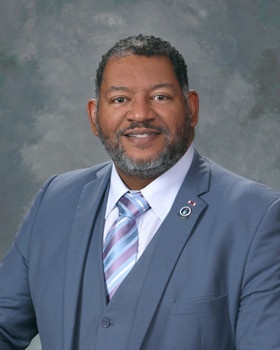
State Sen. Harold Pope Jr., D-N.M., joined the protest and warned demonstrators about the opaque nature of expanding tech infrastructure. Pointing to the massive computational power required to fuel modern neural networks, Pope highlighted the social risks embedded within automated tools. He told the crowd that society must scrutinize who builds these systems to ensure historical biases are not permanently baked into code.
Congressional Defenders Defend Power Reforms
Federal lawmakers pushed back against the criticism, defending the legislative intent behind the energy and data center reforms. A spokesperson for Senator Heinrich argued that the Bipartisan American Affordability and Jobs Act is the only bill in Congress that forces data centers to pay their fair share for the energy they use, shifting that cost away from families. According to the senator’s office, the measure forces data centers to pay their fair share for electricity while simultaneously accelerating the approval of cleaner energy projects on the grid.
Local Opposition Deepens in New Mexico
That defense has done little to placate other members of New Mexico’s congressional delegation. Rep. Melanie Stansbury, D-N.M., issued a sharp counter-statement, declaring that she is adamantly opposed to the bill in its current draft. Stansbury argued that the legislation could undermine tribal sovereignty and consultation, protection of sacred and cultural sites, our public lands and waters, and the ability of our communities to have a say in projects that could impact them.
As the debate over power grids, data centers, and classroom integration intensifies, the walkout marks a clear escalation in how local communities are confronting the physical footprint of the artificial intelligence boom.
Worth a look

Singapore to Raise Retirement Age to 65 and Re-employment Age to 70 by 2029
On October 26, 2026, in Singapore, the Tripartite Workgroup on Senior Employment released a sweeping blueprint to address...

Cheyenne Man on Trial for Murder of 4-Month-Old Son Admits to Covering for Wife
On Tuesday in Laramie County District Court, 24-year-old Joseph Hanson told a jury he felt ashamed for shielding...

Brewers Watch Party Ticket Prices Surge to $270 for Game 4
Resale Prices Explode for American Family Field Watch Party Single resale tickets on StubHub for the watch party...

Four Candidates Vie for West Virginia House District 12 Seat in General Election
Four Candidates Chase West Virginia District 12 Seat in November 3 General Election Four candidates are actively campaigning...