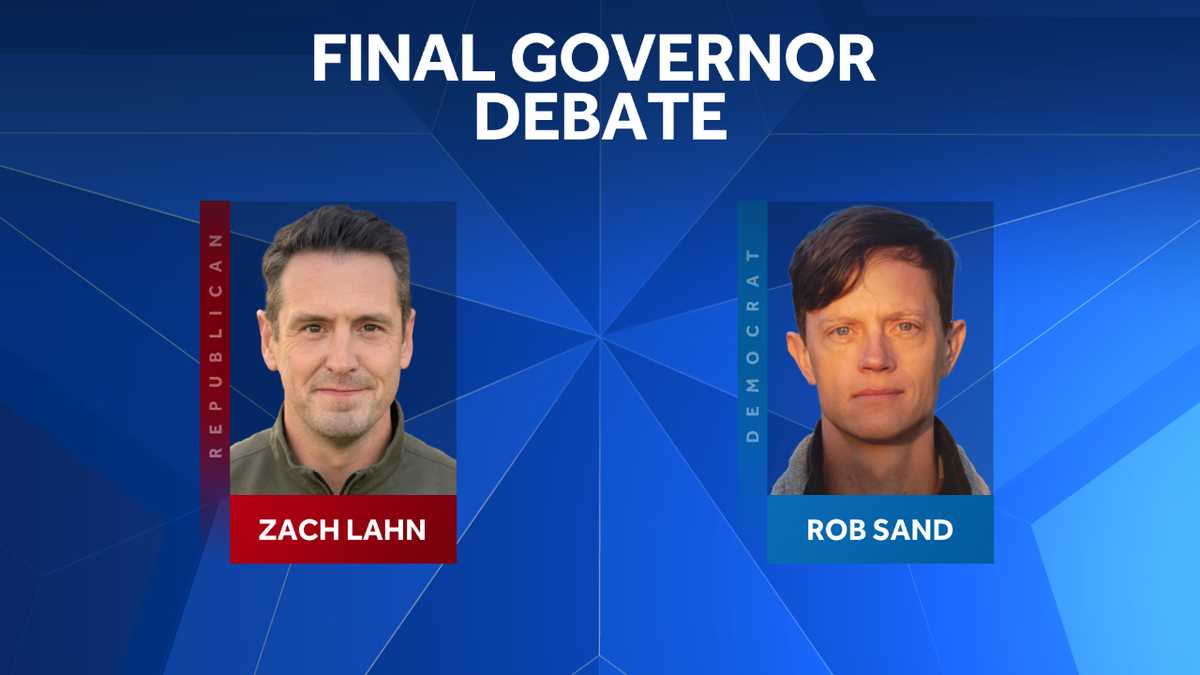
Voter choices in Iowa’s gubernatorial race came into sharper focus on October 27, 2026, as Democratic State Auditor Rob Sand and Republican businessman Zach Lahn met in Cedar Rapids for their third and final face-to-face debate before Election Day.
Hosted by KCRG-TV9 and The Gazette, and moderated by KCRG anchor Beth Malicki alongside Gazette political reporter Erin Murphy, the 90-minute debate tackled roughly a dozen policy areas. Among them, the intersection of mental health access, state-level psychiatric bed shortages, and looming federal Medicaid rules emerged as significant points of discussion for the 600,000 Iowans who receive healthcare through the state program for low-income or disabled residents.
Lahn Calls for More Psychiatric Beds to Ease Prison Strain
Iowa ranks toward the bottom in the US for available psychiatric beds, a reality that both candidates acknowledged during the Cedar Rapids forum. Lahn argued that expanding physical mental health facilities is a necessary step to ease strain on families and remove individuals with severe psychiatric needs from the state’s prison system.
I believe we do need to open mental health facilities. I do believe that there are people that are in prisons in our state that need to be in mental health facilities, and actually, that’s hurting everybody involved,
Lahn stated during the event.
The discussion turned personal when Sand recounted his own family’s brush with the state’s mental health crisis. He revealed that the individual who broke into his home last Thanksgiving suffered from schizophrenia. Describing a conversation with the intruder’s sister, Sand noted she was simply relieved to learn her brother was alive after losing contact with him for three years. If you’re one of the families that struggled to find a bed for people, we’re there with you; we’ve struggled,
Sand said.
To address the systemic shortfalls, the two candidates offered fundamentally different structural remedies. Sand advocated for reversing the 2016 privatization of Iowa’s Medicaid system, arguing that managed care changes have driven practitioners to close their doors. Lahn countered that dismantling private management is the wrong approach, favoring instead an increase in government oversight of managed care organizations to ensure prompt payments and reliable care delivery.
Sand Warns Against Administrative Hurdles for Medicaid Work Requirements
A looming policy shift on December 1, 2026, will introduce federal work requirements to Iowa’s Medicaid program, setting up a sharp administrative hurdle for participants. Sand argued that while able-bodied adults should maintain employment, the focus must remain on practical paperwork simplicity rather than punitive administrative hurdles. He pointed to an instance in Arkansas where a working man lost healthcare coverage simply because he missed a deadline due to illness.
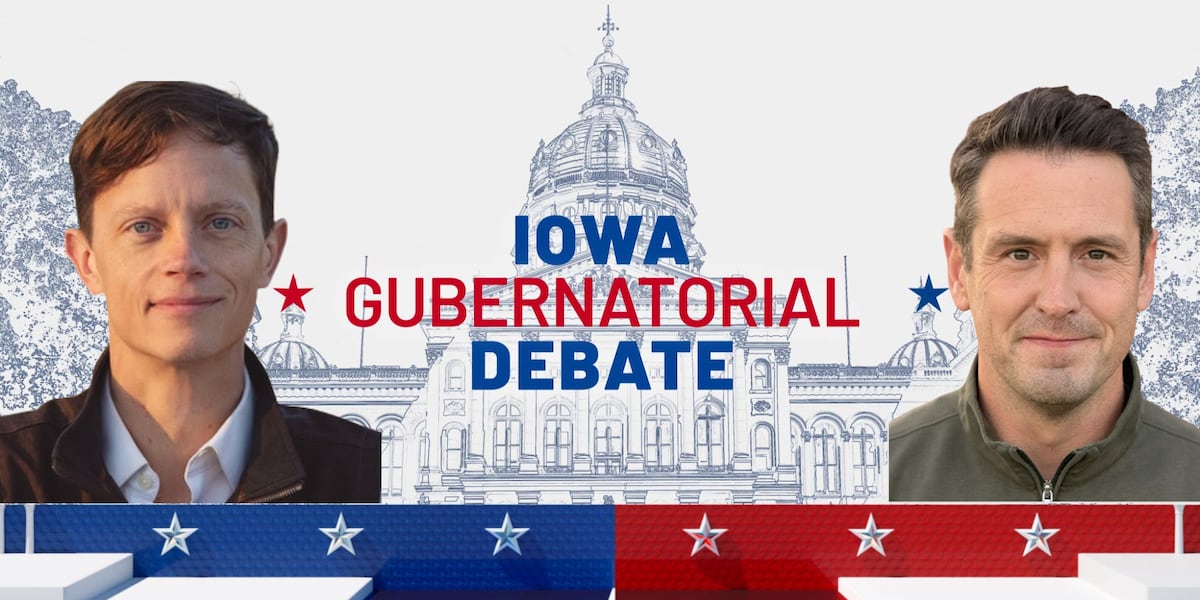
I want able-bodied people to be working, but I want to make sure that what the government is doing is putting in a work requirement and not a paperwork requirement,
Sand noted, as reported by the Iowa Capital Dispatch.
Lahn defended the work mandates as a big issue with the Affordable Care Act’s Medicaid expansion, arguing the program should serve strictly eligible citizens who are actively seeking employment or participating in volunteering opportunities.
Candidates Agree on Water Conservation and Carbon Pipeline Bans
Beyond healthcare administration, the candidates found common ground on several prominent state issues. Both agreed that agricultural nitrates in waterways contribute to Iowa’s high cancer rates, endorsing the passage of IWILL funding to support conservation efforts, saturated buffers, and tributary monitoring. Additionally, both Lahn and Sand stated they would sign a legislative ban on eminent domain for private carbon dioxide pipeline projects.
Early voting is already underway across Iowa, with statewide elections officials reporting nearly 266,000 early ballots received by Monday ahead of the November election to succeed outgoing Kim Reynolds.
Worth a look

John Healey may use bank surcharge to fund budget pledges
When John Healey steps up to the dispatch box on Wednesday to deliver his very first Budget, he...

Grand Jury Declines to Indict Cassidy Hutchinson Over Jan. 6 Testimony
A federal grand jury in Washington, D.C., has declined to indict former White House aide Cassidy Hutchinson, rejecting...

AdventHealth Performs First US Remote Robotic Prostate Surgery
“For generations, access to highly specialized care has often depended on where a patient lives,” Dr. Vipual Patel...

Video Shows Electrical Explosion During LAX People Mover Testing
Electrical Blast on LAX People Mover Track Sparks Scrutiny Amid Years of Delays Newly obtained video reveals an...