
In a column for the Irish Examiner, a urologist argues that men routinely ignore symptoms that merit urgent investigation.
The author, who grew up in Castleknock, Dublin, and studied medicine at Trinity College Dublin, writes that any episode of visible blood in the urine should be treated as a potential sign of bladder cancer until proven otherwise. She writes that in about 25% of patients a significant cause is found, and in about 17% of cases it is associated with bladder cancer.
“Any episode of visible blood in the urine can signify bladder cancer until otherwise proven, and especially [in someone] over the age of 45, male, and a smoker,” she writes. Those factors, she adds, are the biggest risk factors for the disease.
For men under 40 or 50, she writes that any change in the testicles — a lump, swelling, or change in firmness — needs investigation.
“Testicular cancer often presents with a benign lump, swelling, or change in the texture of the testicle,” she writes, noting that if caught early it is curable in over 95% of cases. She recommends men check their testicles once a week in the shower and “get to know your own testicles.”
The column identifies erectile dysfunction as a critical warning sign of cardiovascular disease in men in their mid-to-late 40s and early 50s, which can precede a heart attack or stroke by five years.
“The vessels that supply the penis are some of the smallest in the body. They are among the first to get blocked when you have high cholesterol, or poor sugar control due to diabetes, or very high blood pressure,” she writes.
She also highlights family history as an under-appreciated risk factor. A father or brother diagnosed with prostate cancer before age 65 increases a man’s risk three- to fourfold, she writes. A mother or sister with breast or ovarian cancer may indicate a BRCA mutation that also raises prostate cancer risk. A close relative who had a heart attack before 55 significantly elevates cardiovascular risk, warranting cholesterol and HbA1c checks.
“The single biggest mistake men make when it comes to their health… is ignoring signs and symptoms and not getting things checked,” she writes, attributing delays to embarrassment, excuses, or attributing symptoms to injury.
The author grew up in Castleknock, a suburb of Dublin located 8 km (5 mi) west of the city centre in the modern county of Fingal. The area takes its name from a 12th‑century Norman castle (Caisleán Cnucha) built on a strategic hill overlooking Dublin, and it was historically a feudal barony created in 1177 by Hugh de Lacy and granted to Hugh Tyrrel.
The piece urges men to ask their GP about prevention: “Focus more on prevention. Ask your GP, given my age, family history, my risk factors, what should I be getting checked? Am I at risk of prostate cancer? Should I be having my PSA checked? At what age? Am I at risk of cardiovascular disease? My dad died at 54 from a heart attack and I have erectile dysfunction. Do I need my cholesterol checked?”
Worth a look
- Supreme Court to Hear Contempt Pleas Friday Over Thiruparankundram Deepam Row
- Preoperative Anemia, Placenta Previa, and Emergency Cesarean Section Independently Predict Blood Transfusion Risk in Abbottabad, Pakistan
- Norse Atlantic Airways suspends all flights amid critical financial position (newsarchyuk.com)

Supreme Court to Hear Contempt Pleas Friday Over Thiruparankundram Deepam Row
Supreme Court bench of Justices Aravind Kumar and Vipul M Pancholi scheduled the hearing for November 27 after...
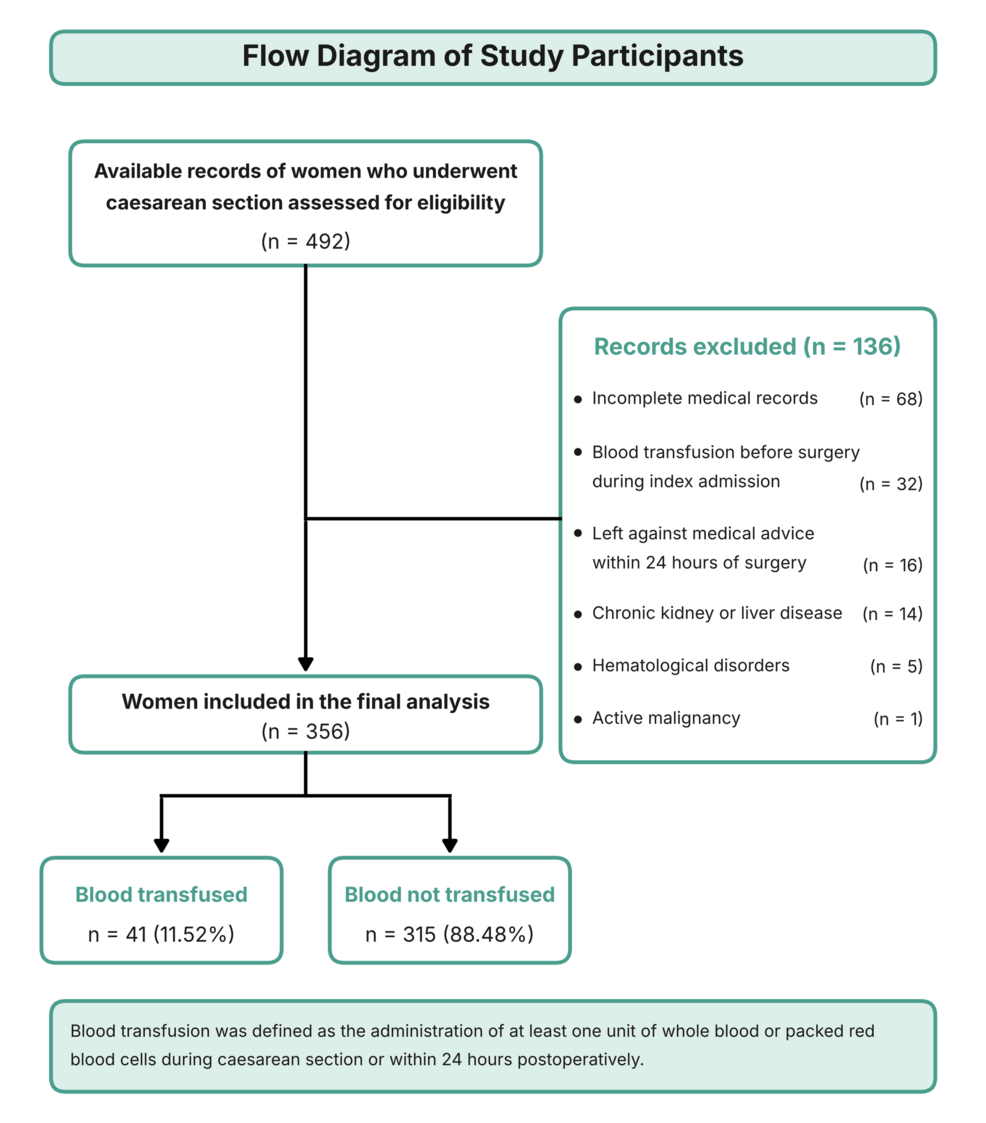
Preoperative Anemia, Placenta Previa, and Emergency Cesarean Section Independently Predict Blood Transfusion Risk in Abbottabad, Pakistan
Nearly one in nine women who delivered by cesarean section at a tertiary hospital in Abbottabad, Pakistan required...

Governor-General Mostyn Backs Plans for Australian Campuses in Jakarta
Australian Governor-General Sam Mostyn has expressed support for plans to encourage Australian universities to establish campuses in Jakarta,...
Long-Term ART Tied to Similar Body Fat, Lower Cardiometabolic Risk in South African Adults With HIV
Middle‑aged South Africans on long‑term antiretroviral therapy showed no excess body fat or visceral fat compared with matched...