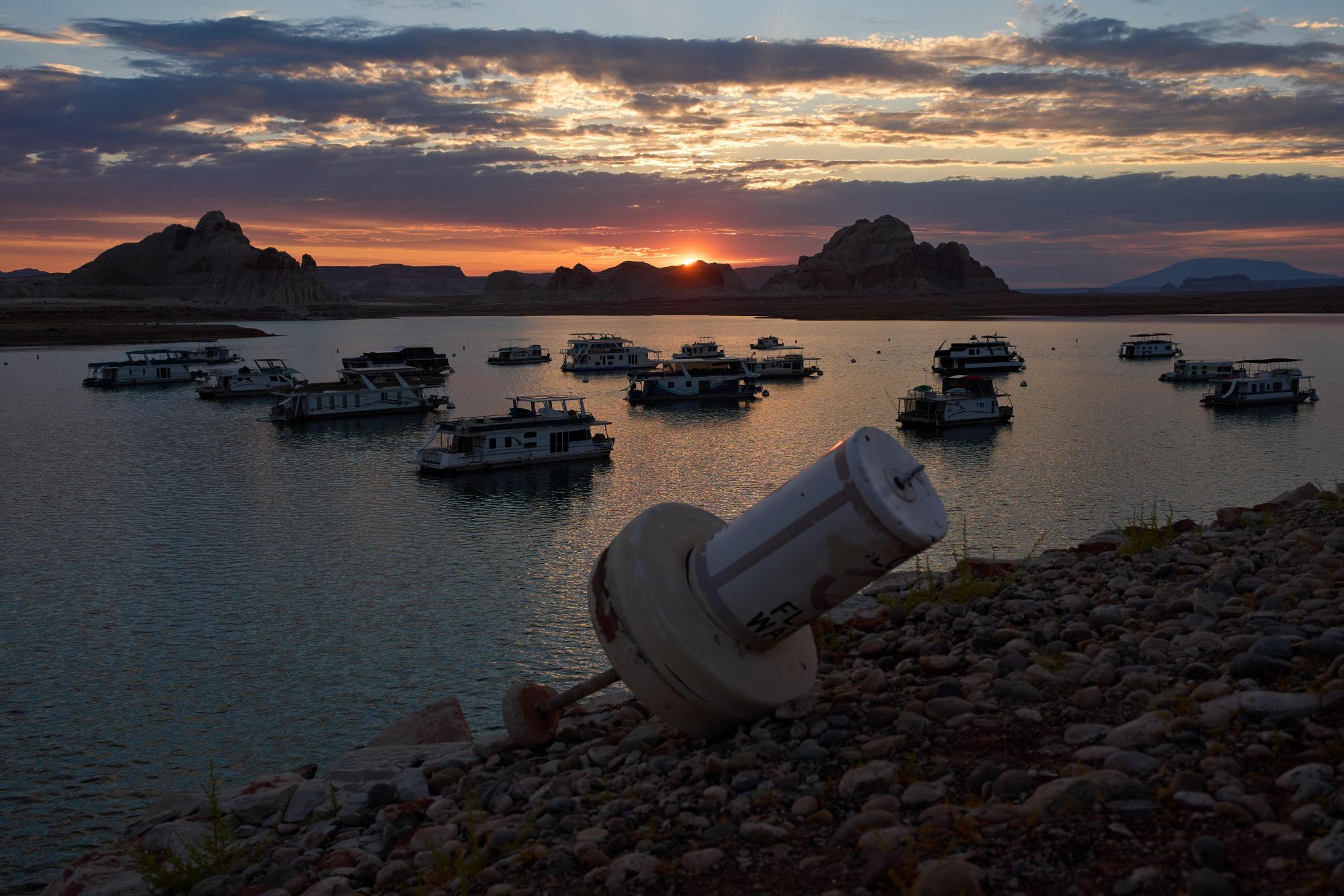
Arizona, California, and Nevada face a combined 20 percent reduction in Colorado River water use over the next two years under a federal plan released July 31, 2026. The 10-year framework addresses severe drought and chronic overuse while leaving Upper Basin states without mandatory cuts.
Federal intervention has arrived for the drought-stricken Colorado River after more than three years of deadlocked negotiations among the seven western states that share the waterway. The U.S. Bureau of Reclamation released a final environmental impact statement on July 31, 2026, establishing a 10-year management framework through 2036 to replace the expiring 2007 guidelines. The plan introduces a rolling two-year review process designed to adjust dam releases and water allocations based on shifting hydrologic conditions.
Interior Secretary Doug Burgum emphasized the operational flexibility built into the new directives. This framework provides the flexibility to respond to changing hydrologic conditions while preserving the opportunity for the Basin States to continue working toward durable, consensus-based solutions,
Interior Secretary Doug Burgum said in a statement accompanying the plan’s release.
Lower Basin Cuts and the Nevada Impact
Under the new federal plan, the Lower Basin states of Arizona, California, and Nevada will collectively absorb up to 3 million acre-feet in annual reductions during severe drought years. That ceiling doubles the 1.6 million acre-feet reduction package that the three states submitted to federal officials on May 1.
For Nevada, the plan translates to a reduction of 50,000 acre-feet from its 300,000 acre-foot annual allocation, according to the Las Vegas Review-Journal. Despite the strict cut—which slashes the state’s share by a sixth—local water managers retain significant breathing room. Total community-wide use in Southern Nevada came in at 198,000 acre-feet during the previous year, as reported by the Southern Nevada Water Authority.
Arizona stands to bear the heaviest burden under the federal framework.
The Divide Between Upper and Lower Basins
A major point of contention in the federal proposal is the exemption of the Upper Basin states—Colorado, New Mexico, Utah, and Wyoming. While Lower Basin states face mandatory caps, the Upper Basin will contribute only 200,000 acre-feet on a voluntary basis as hydrological conditions allow.
That imbalance drew swift criticism from state water officials. In an official statement, the Arizona Department of Water Resources called the Bureau of Reclamation proposal unacceptable
and noted it did not require cuts of the four Upper Basin states, warning that the mandatory reductions would devastate Arizona’s water users and its economy.
Negotiators and state leaders have repeatedly cautioned that bypassing a consensus deal in favor of federal imposition could trigger protracted litigation at the U.S. Supreme Court, perpetuating uncertainty for a river that supports millions of residents and vast agricultural economies.
Climate Pressures and Reservoir Realities
The federal intervention responds to a quarter-century of chronic drought and rising regional temperatures that have severely depleted the basin’s two primary reservoirs, Lake Mead and Lake Powell. West is experiencing its worst drought in at least 1,200 years, driven by a climate shift that has reduced natural Colorado River flows by approximately 20 percent since 2000.

Hydrologic inflows above Lees Ferry—the dividing line where 90 percent of the river’s water originates—have dropped from a 20th-century average of 15.2 million acre-feet to just 12.1 million acre-feet in recent decades. Without aggressive intervention, federal officials warn that water levels in Lake Powell and Lake Mead risk falling so low that hydroelectric turbines will cease functioning.
Next Steps in River Management
Friday’s release of the environmental impact statement marks a critical regulatory milestone, but it does not conclude the operational adjustments required for the immediate future. JB Hamby, California’s lead negotiator in the Colorado River talks, underscored that further administrative details remain pending.

This is an important milestone, but it is not the finish line,
Hamby said, noting that operating plans will continue to be developed in two-year increments.
Federal regulators are expected to release a separate, detailed two-year operating plan outlining specific reductions for 2027 and 2028, which will accompany a formal Record of Decision to finalize the sweeping framework.
Worth a look

UK Government to Install Cot Cameras in Neonatal Units Following Inquiry
Following a damning inquiry into the Countess of Chester Hospital, the UK government has announced plans to install...

Indonesian Wildfires Threaten Orangutan Research Station in Borneo
Intentionally set land-clearing fires driven by an extreme El Niño are sweeping through Indonesia's Gunung Palung National Park,...

Imran Khan’s Sons Accuse Army Chief Asim Munir of Vendetta Against Father
Imran Khan’s sons have accused Pakistan army chief Asim Munir of a personal vendetta and expressed fears that...
PSC Announces 1000 Paid Internship Vacancies for Ministry of Education
The Public Service Commission announced 1,000 paid internship vacancies within the Ministry of Education's State Department for Basic...