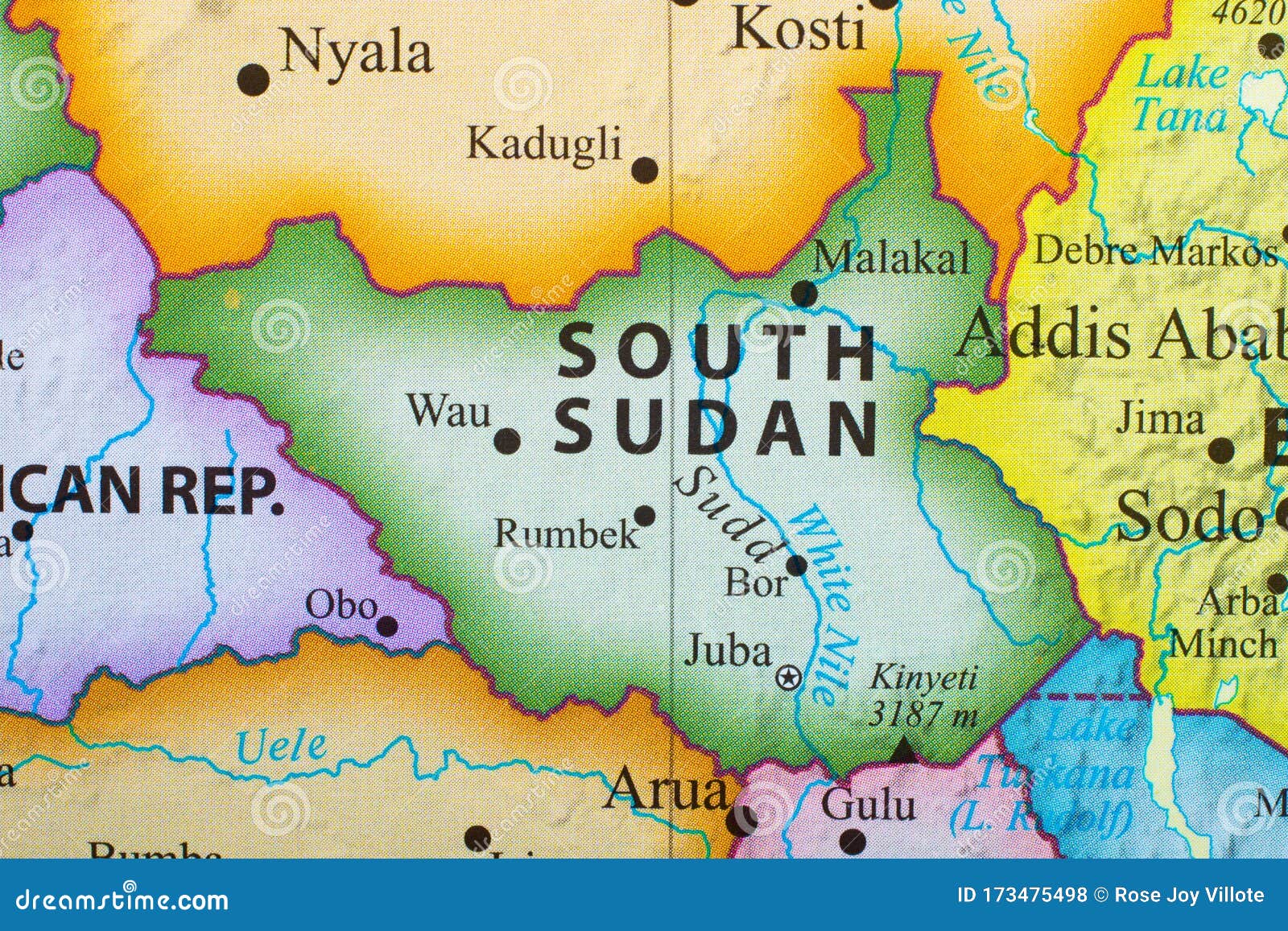
At least 30 people were killed in the disputed Abyei region last month when 11 drone strikes targeted the Amiet market, a critical hub for refugees and returnees.
The United States condemned the attack, which destroyed essential economic infrastructure, and called for immediate accountability from both Sudan and South Sudan.
The incident shows regional security is changing. UN Peacekeeping Chief Jean-Pierre Lacroix warned that the concentration of trade and civilians in the area is increasingly vulnerable to criminal networks and armed groups. Threats to stability in Abyei are evolving beyond traditional intercommunal violence and are now heavily influenced by broader political and economic conflicts.
“This horrific attack, where 11 drone strikes killed innocent civilians and destroyed critical economic infrastructure, is yet another example of how Sudan and South Sudan are failing the people of Abyei,” said Ambassador Jeff Bartos, U.S. Representative for UN Management and Reform.
Ambassador Bartos said that unauthorized actors remain present in the demilitarized zone, putting civilians at grave risk. The two nations have yet to settle the final status of Abyei or implement the security arrangements established in the 2011 Agreement.
The U.S. delegation is now pressing the UN Security Council to move beyond standard mandate renewals. Ambassador Bartos argued for the implementation of strict, measurable benchmarks regarding demilitarization, the deployment of UN police, and the establishment of local administrative arrangements.
Ambassador Bartos said that the parties must move quickly to ensure Abyei remains stable by withdrawing all unauthorized forces. He added that the question is not whether they can, but whether they will.
The economic impact on the region is profound. The Amiet market serves as a vital transit point, and its destruction disrupts the livelihoods of people who rely on it for basic survival.
The U.S. has outlined several immediate steps that remain within the power of the involved parties, including:
- The issuance of visas for all UN police personnel.
- The convening of regular Joint Political and Security Mechanism meetings.
- The establishment of a functional Abyei Police Service.
- Full cooperation with the Civilian Deputy Head of Mission.
As the UN Security Council considers the next steps for the United Nations Interim Security Force for Abyei (UNISFA), the demand for transparency remains central. “We reiterate that attacks on civilians and civilian objects are prohibited under international humanitarian law. We call for a full, transparent, and prompt investigation, and that the perpetrators of such attacks be held accountable,” Ambassador Jeff Bartos, U.S. Representative for UN Management and Reform, said.
The stability of the region rests on whether the parties involved choose to adhere to the political and security commitments they made in the 2011 Agreement. For now, the people of Abyei remain in a state of uncertainty, waiting for the results promised by international oversight rather than the status quo of recurring violence.
Worth a look

18-Year-Old Elyon Benton Identified in Milwaukee Triple Shooting
An 18-year-old man, identified by loved ones as Elyon “Tank” Benton, was killed in a triple shooting on...

Seattle Police Announce Integration of Four-Legged Bomb Robot
The Seattle Police Department is changing how it handles high-stakes explosive threats. This week, the department’s Arson/Bomb Squad...

VCU Health Honors Veterans and Military Service Members
VCU Health marked Veterans Day on Wednesday by honoring the service and contributions of veterans and active-duty military...

Planned Parenthood VT Action Fund Details Cookie and Tracking Policy
The Planned Parenthood Vermont Action Fund utilizes tracking technologies to monitor user engagement across its digital platforms. The...