U.S. diesel prices at the pump reached an all-time high of $5.85 per gallon on Friday, according to the American Automobile Association (AAA), driven by escalating geopolitical tensions and supply disruptions. This marks the first time the national average has surpassed $5.85, surpassing the previous record set during Russia’s 2022 invasion of Ukraine. The surge follows renewed hostilities between the U.S. and Iran, which have intensified crude oil prices, and Russia’s extension of its diesel export ban, further straining global markets.
Record US Diesel Price Hits $5.85 Amid Geopolitical Tensions
The price increase has been abrupt, with diesel costs rising by between 10p and 14p per litre in the UK and the U.S. within days. In the U.S., the average price has climbed 56% since the start of the Iran conflict, according to AP News, while the international benchmark Brent crude traded near $97 per barrel on Thursday, its highest level in six weeks.
This latest spike has really caught everybody by surprise and hit them quite hard because it’s been such a large spike and because of the time of year,
said Alex Harrison, a fuel buyer at Fram Farmers, a UK-based co-operative representing over 1,400 farm businesses. Farmers in both the U.S. and UK are grappling with the financial strain as they prepare for winter fuel needs.
The Guardian reported that UK diesel prices for motorists rose to 183.5p per litre on Thursday, up from 164.5p in mid-July, while red diesel—used for agricultural machinery—cost about £1.10 per litre, a 10% increase since Monday.
Factors Driving the Surge: Iran Conflict and Russia’s Export Ban
The spike in diesel prices is linked to multiple overlapping crises, including the U.S.-Iran conflict, Russia’s extended diesel export ban, and attacks on global shipping routes. Renewed fighting in the Middle East, including U.S. strikes on Iranian-backed targets, has heightened fears of a broader regional war, pushing crude oil prices higher. Meanwhile, Russia’s decision to extend its diesel export ban—initially imposed in response to Western sanctions—has further constrained global supply.
Russia, which normally supplies about 10% of the world’s diesel, has faced internal disruptions, including Ukrainian drone attacks on its refineries in August. These attacks, combined with the export ban, have exacerbated shortages. The situation has been compounded by a 39% rise in U.S. gasoline prices since the Iran conflict began, according to AP News, with regular gasoline averaging $4.15 per gallon as of late September.
The volatility has created uncertainty for businesses and consumers. In the UK, paraffin—used for heating farms and rural homes—has risen to nearly £1 per litre, up from 60p before the Iran war. Farmers, already facing higher fuel costs, are adjusting their purchasing strategies. A lot of people have ordered in much smaller increments and more often, as they are trying to hedge their bets a little,
Harrison said.
AP News noted that diesel prices have outpaced gasoline in the U.S. for decades, with global demand for diesel remaining more rigid. Unlike gasoline, which sees some substitution with electric vehicles, diesel remains critical for freight, agriculture, and industrial operations.
Impact on Farmers and Rural Communities
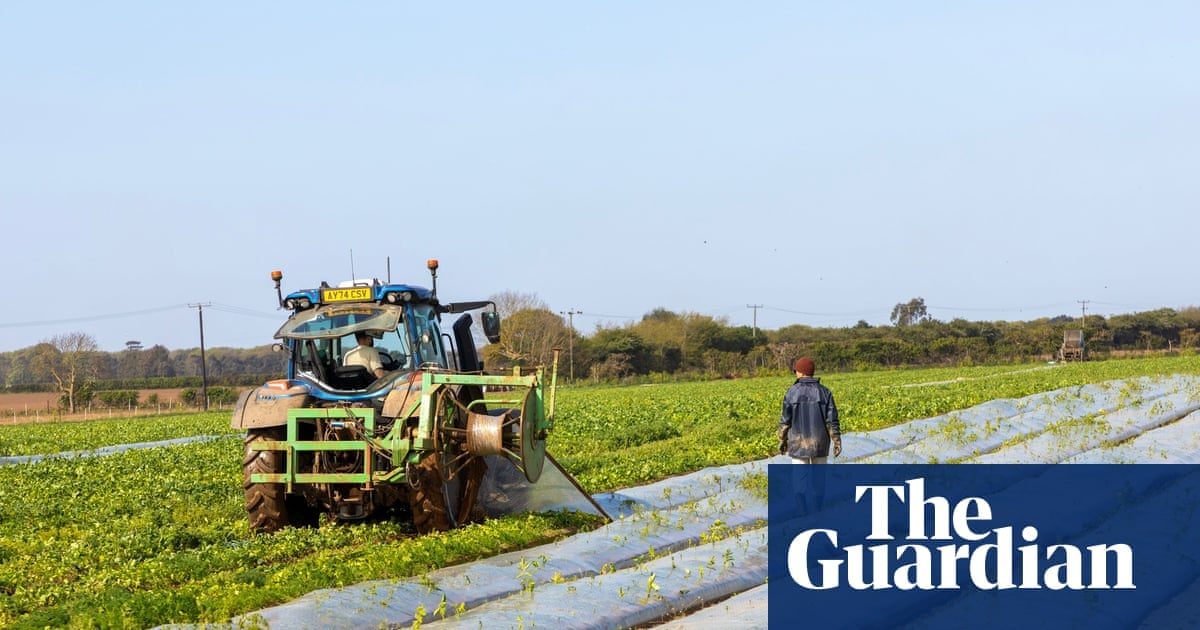
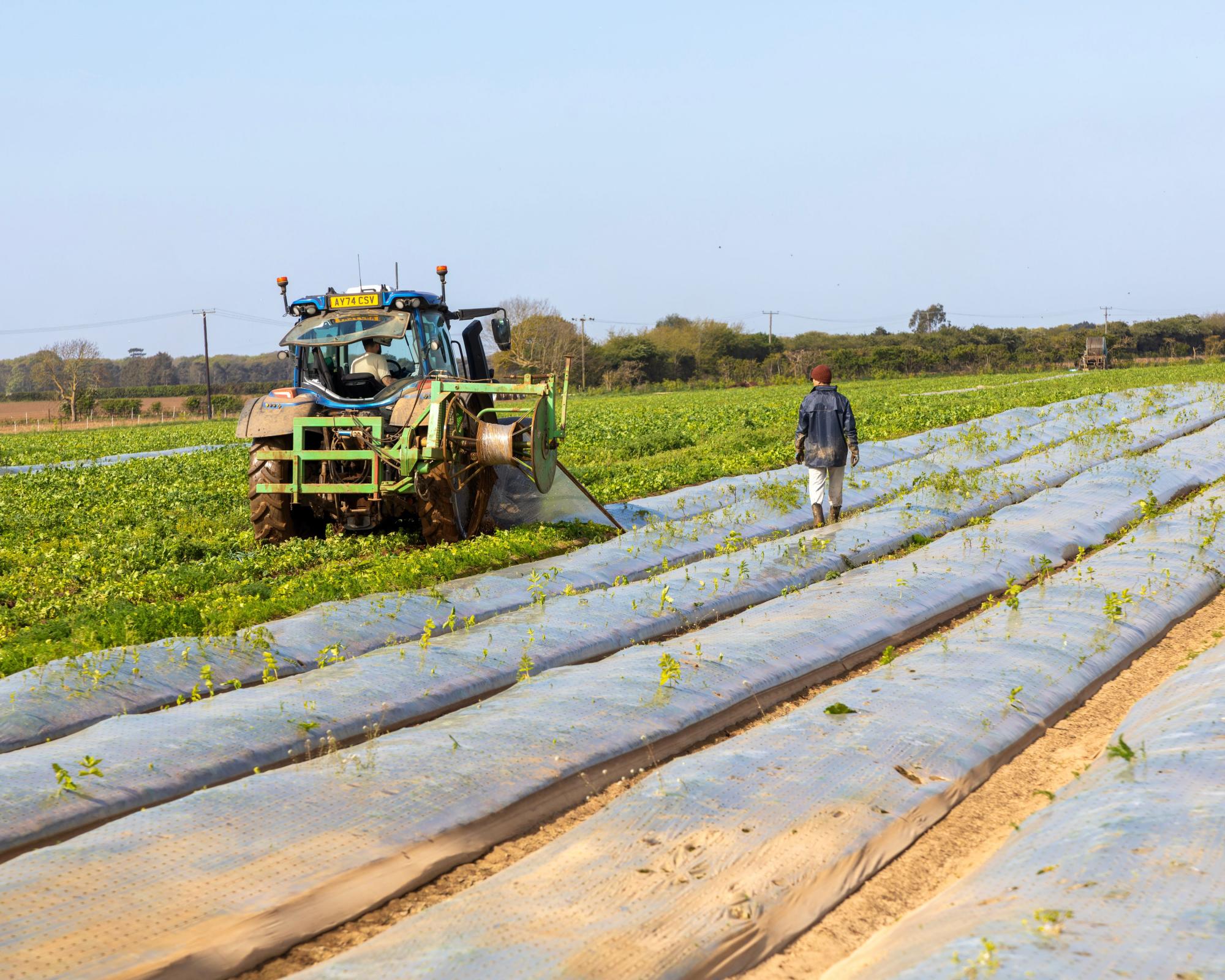
U.S. and UK farmers are among the hardest-hit by the price surge, as diesel costs account for a significant portion of their operational expenses. In the UK, red diesel is taxed at a lower rate than standard diesel but has still seen a 10% price jump, reaching £1.10 per litre. Farmers are now facing difficult decisions about fuel purchases, with many opting to buy in smaller, more frequent batches to manage cash flow.
The harvest peak demand for red diesel and other fuels has passed, but many growers traditionally buy more fuel at this time of year as they begin to prepare their land for winter,
Harrison said. The timing of the spike has worsened the financial strain, as farmers typically plan fuel budgets during this period.
The crisis extends beyond agriculture. In the UK, paraffin prices have risen sharply, affecting rural households reliant on heating oil. It’s a time of year when many households, mostly in rural communities that are not connected to the gas network, would usually be starting to think about filling their tanks ahead of the winter,
the AOL article noted. The current paraffin price of nearly £1 per litre is double pre-war levels.
In the U.S., the price surge has also affected small businesses and industries dependent on diesel-powered fleets. Delivery companies, construction firms, and other sectors face higher operating costs, which are likely to be passed on to consumers.
Economic Ripple Effects: Transportation and Grocery Costs
The diesel price spike is creating broader economic ripple effects, particularly in transportation and food costs. Diesel powers freight networks, and higher fuel prices are already leading to increased shipping fees. AP News reported that some businesses have begun charging customers additional fees for online orders and mail deliveries.
The impact on groceries is also becoming apparent. Diesel accounts for 15% to 30% of the total cost of food, according to the Independent Grocers Alliance. Items that need to stay refrigerated while they’re transported are often the first to see prices rise,
said David Ortega, a food economics professor at Michigan State University. In July, U.S. grocery prices rose 2.7% year-on-year, with seafood and fresh fruit prices increasing by 7% and 4.9%, respectively.
As the U.S. and global markets grapple with these challenges, the long-term implications for energy policy, supply chain resilience, and consumer costs remain uncertain.
Keep reading

Haines Critically Injured in Wangaratta, Man Charged
Australian independent MP Helen Haines lost both legs after being struck by a car outside her office in...

Daily_Brief: #Sudanese drone strike kills 153 in disputed #Abyei market, #South_Sudanese official
A drone strike on the Amiet Market fuel depot in the disputed border region of Abyei killed at...

Italy’s Cabinet Approves Measures in Response to Protests in Northern Italy
Italy approved sending 500 troops to Milan alongside stricter legal penalties on Tuesday, responding to weekend cost-of-living protests...

Teresa Kok wins RM250,000 defamation payout from Akmal over halal certification dispute
Seputeh MP Teresa Kok has won a RM250,000 defamation payout from Umno Youth chief Dr Muhamad Akmal Saleh...