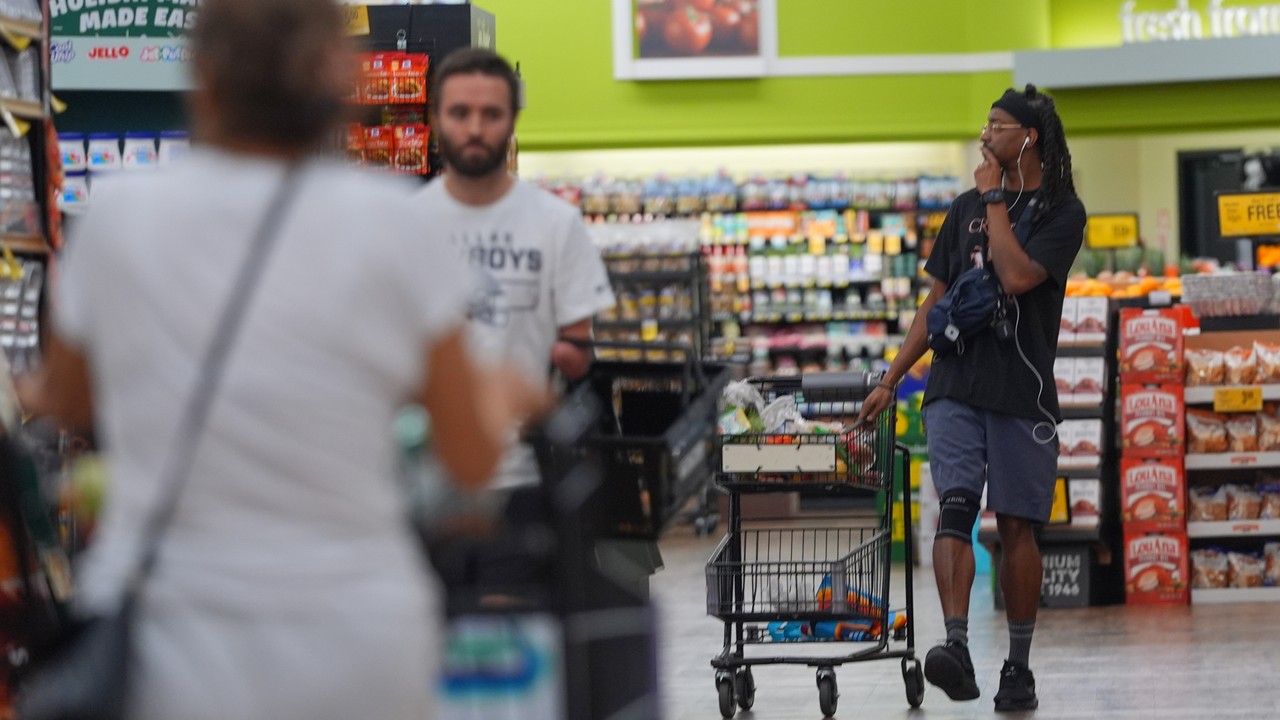
Retail sales crawled just 0.2% higher in October, the weakest monthly gain since July, as shoppers pulled back on big-ticket items and gasoline prices distorted the headline figure, the Commerce Department reported Tuesday.
The slowdown from September’s revised 0.8% surge — driven largely by a 30.3% spike at gas stations — masks a consumer who is bending rather than breaking, but the details reveal widening cracks. Excluding gas stations, sales rose a mere 0.1%. Strip out autos and fuel as well, and the so-called control group used to calculate GDP advanced 0.6%, a tick above September’s 0.5%, according to MLQ.ai analysis of Census data.
“The US consumer looks solid and is bending, not breaking, under the weight of higher energy prices,” Michael Pearce, chief US economist at Oxford Economics, told CNN. Yet Heather Long, chief economist at Navy Federal Credit Union, offered a starker read: adjusting for the 0.4% October CPI increase, real consumer spending was “negative.”
Retail Sales Rise 0.2% as Control-Group Sales Beat Expectations
- Headline retail sales rose 0.2% in October, the smallest gain in three months, decelerating sharply from September’s 0.8% jump.
- Control-group sales (ex-autos, gas, building materials, food services) rose 0.6%, beating expectations and signaling underlying demand remains intact.
Gasoline Volatility Masks the True Trend
Gas station receipts rose 1.5% in October after surging 30.3% in September, a swing that reflects price volatility rather than volume shifts. The national average for regular gasoline fell to $3.78 a gallon Tuesday, down 12% from a month earlier but still nearly 20% above year-ago levels, according to AAA data cited by AP News.
Excluding fuel, retail sales were essentially flat at 0.1%.
Big-Ticket Retreat, Online Resilience
Motor vehicle and parts dealers posted a 1.6% sales drop, reversing September’s 1.3% gain. Furniture and home furnishings stores fell 2.3%, the sharpest decline among major categories. Clothing and accessories slipped 0.7%, while sporting goods, hobby, and book stores dropped 0.7%.

“Several of the categories where spending declined are discretionary categories – purchases you can put off for a while because you don’t need those goods every single month,” Elizabeth Renter, lead economist at Life360, wrote in a note Tuesday.
Nonstore retailers, predominantly online sellers, bucked the trend with a 1.2% monthly gain, lifting sales to $128.2 billion — 11.8% above October 2025. Amazon’s early October sales event provided a measurable tailwind, CNN reported. Health and personal care stores rose 1.5%, and building materials edged up 0.5%.
Grocery Volumes Under Pressure
Grocery store sales dipped 0.2% in October after a 0.7% rise in September.
“Conversely, grocery sales declined, which in a nominal report reflects a notable pullback in volume as food inflation outpaces spending,” said Mike Reid, head of US economics for RBC, speaking to CNN. “But, the weakness there is overshadowed by the strength elsewhere, as upper income households continue to drive consumption.”
Credit Cards Bridge the Gap
Outstanding credit card balances hit $1.17 trillion in October, up 5.1% year-over-year across 178.5 million active cardholders, according to TransUnion data cited by ABC News. Serious delinquency rates remained stable.
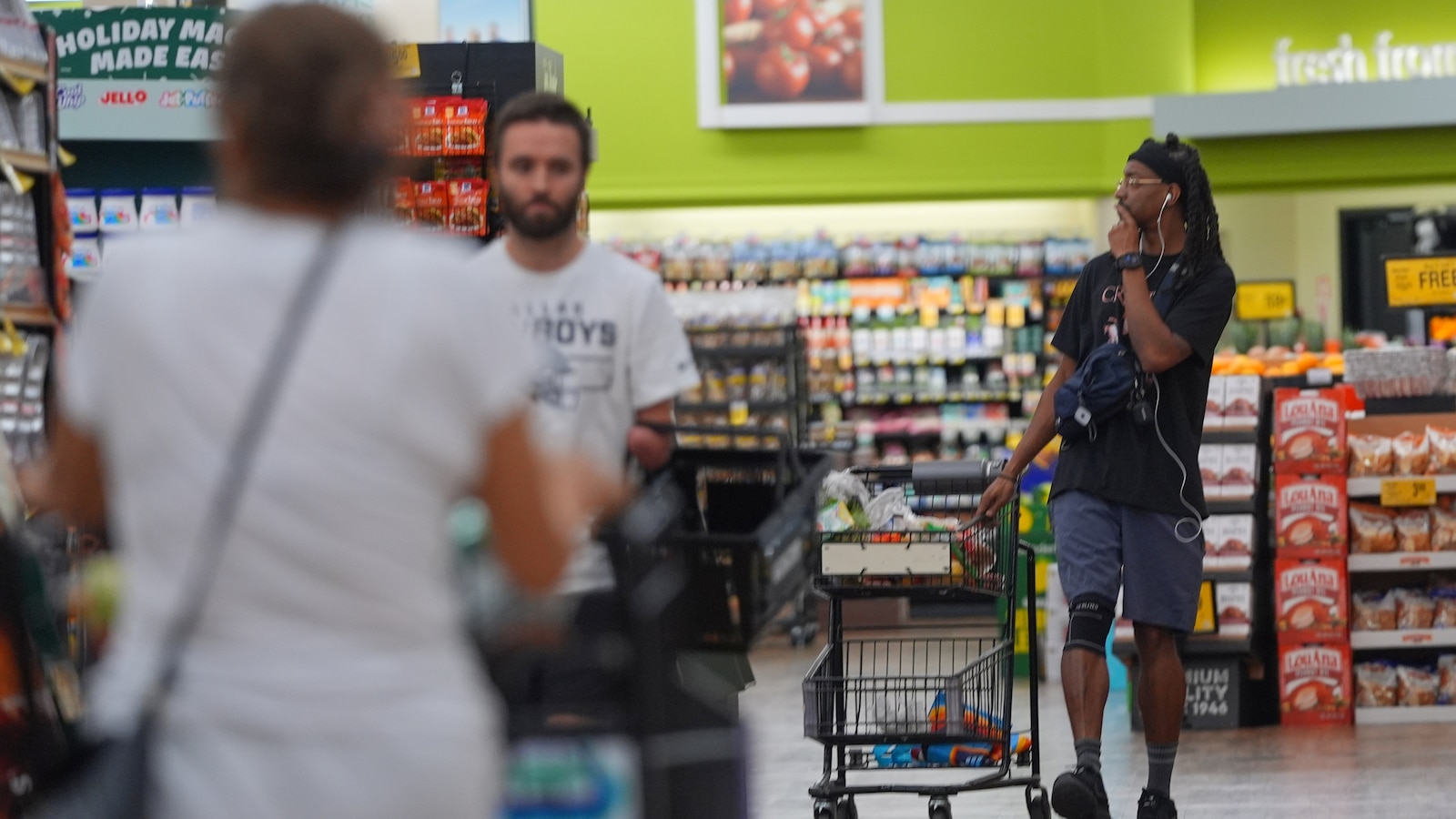
“More Americans are carrying credit cards than ever, and they’re handling them well,” said Charles Wise, head of global research and consulting at TransUnion. “That signals that consumers remain disciplined borrowers heading into the holidays.”
Retailers Pivot to Value Ahead of Black Friday
Target is stocking more than 8,000 new holiday gifts, over half exclusive to the chain, with the majority priced at $20 or less and thousands at $5 and under. Kohl’s has expanded gift-set assortments across categories. Walmart continues to lean on its grocery price leadership to drive traffic.
The merchandising shift reflects a consumer base that “increasingly buy when they think prices have dropped,” AP News reported. Malls have benefited from a box-office resurgence fueled by Gen Z, providing a foot-traffic tailwind for anchor tenants.
Smart Money Tracker: The Fed’s Calculus
The control group’s 0.6% gain — the metric that feeds directly into GDP estimates — keeps the Atlanta Fed’s GDPNow tracker on pace for roughly 2.5% fourth-quarter growth.
“Cost-of-living concerns were front and center in the midterm elections and underscored the lasting imprint of accumulated inflation on household finances,” EY-Parthenon economists Gregory Daco and Lydia Boussour wrote Tuesday. “While consumers still have the capacity to spend, it should not be confused with comfort.”

The next flashpoint arrives with the November retail report on December 17 — the first read on Black Friday and Cyber Monday performance.
Disclaimer: The information provided in this article is for educational and market analysis purposes only and does not constitute financial, investment, or legal advice. Always consult with a certified financial professional before making investment decisions.
Worth a look
- Chicago Police: Four-Man Crew Hits Two Bridgeport Homes in Hours; May Be Tied to More Break-Ins
- Lobos Open Nine-Game Home Stand vs. Colorado Chasing First Win Since 1979
- Samsung Cuts Prices by 40% on Galaxy Devices in South Africa (world-today-news.com)
- Tariffs Added 2.9 Points to Goods Inflation, About 0.6 to All Prices (daybreakwire.com)
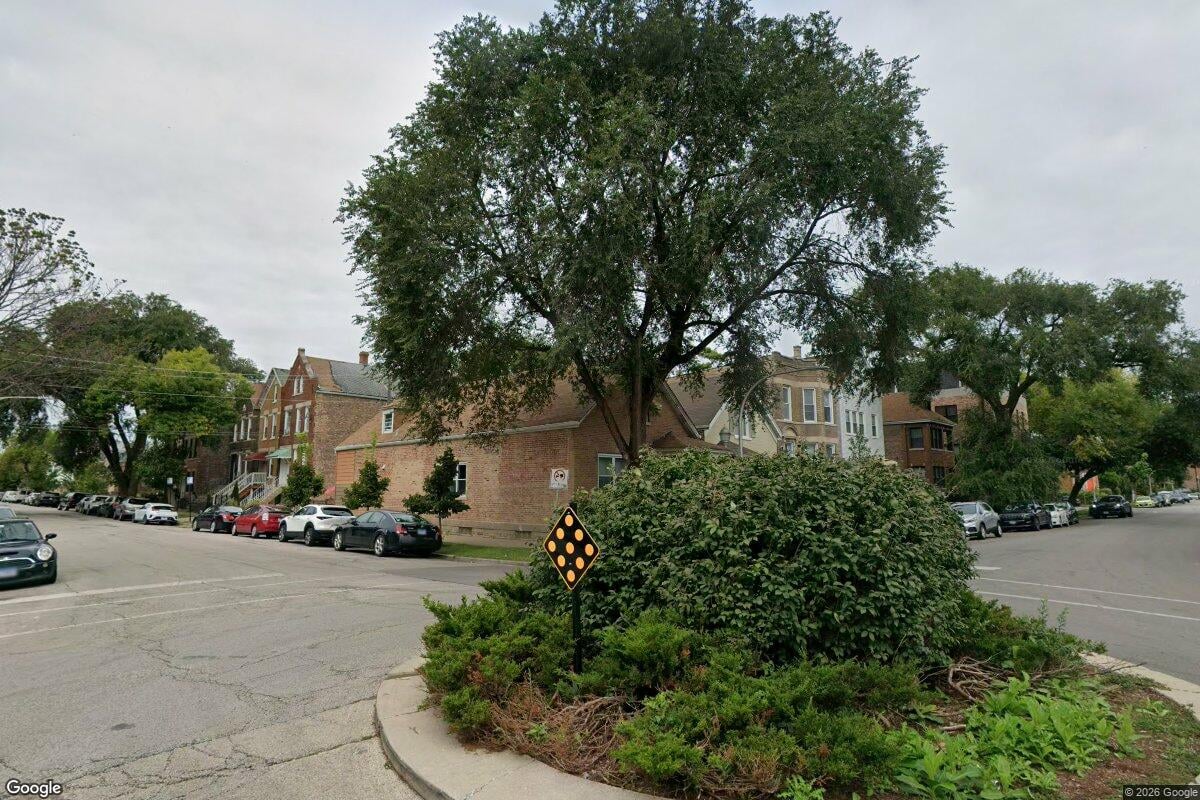
Chicago Police: Four-Man Crew Hits Two Bridgeport Homes in Hours; May Be Tied to More Break-Ins
A four-man burglary crew struck two Bridgeport homes within hours of each other this past Thursday, Chicago police...
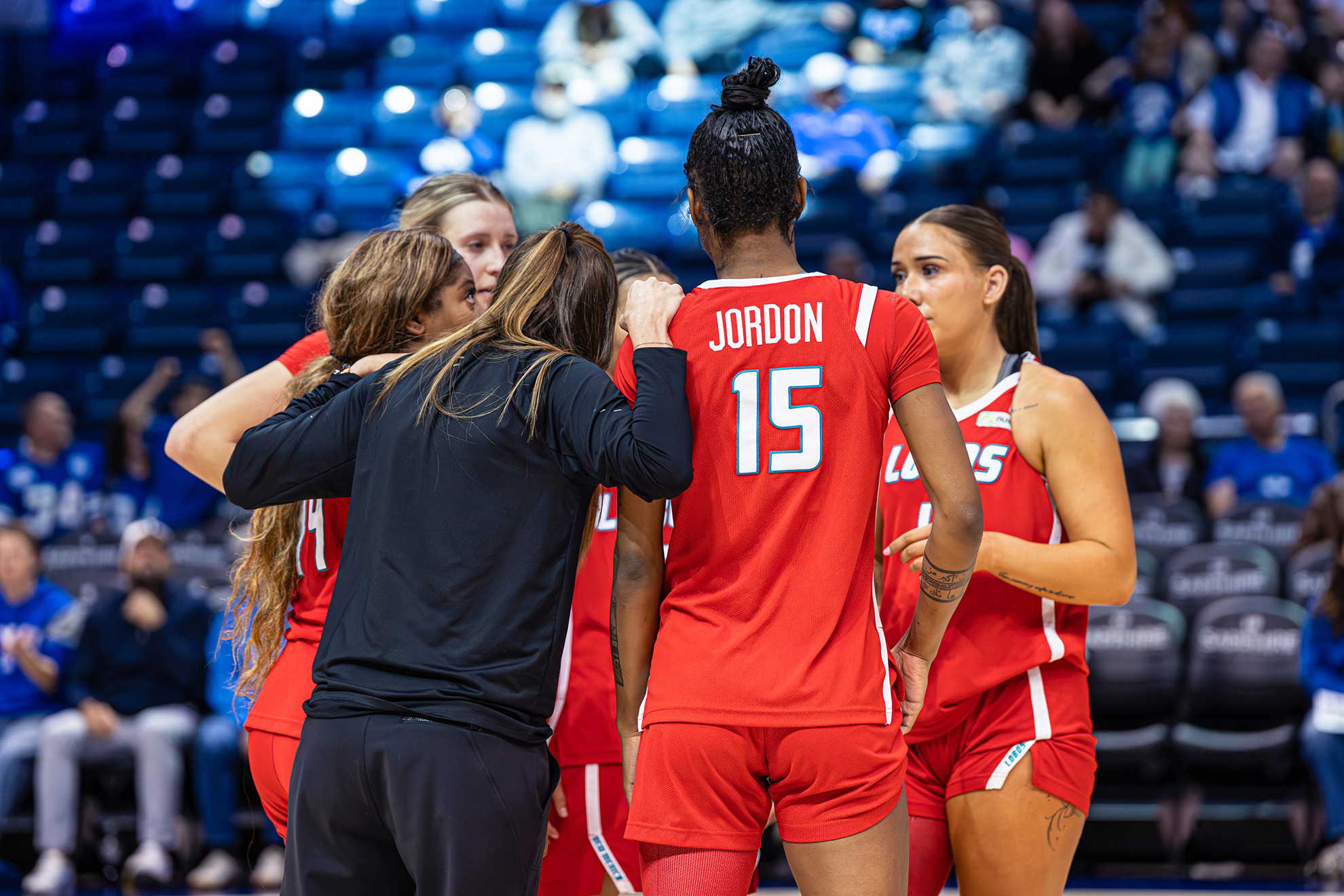
Lobos Open Nine-Game Home Stand vs. Colorado Chasing First Win Since 1979
New Mexico returns to the Pit on Wednesday night chasing its first win over Colorado since 1979, a...

HUD Settlement Severs LAHSA From Funding, Requires $150M Handover By 2027
HUD has entered a settlement ensuring the Los Angeles Homeless Services Authority never receives another dollar of HUD...

Jemele Hill Taunts Cowboys With 1957 Jerry Jones Photo After 49ers Loss
Jemele Hill reposted a 1957 photo of Jerry Jones at a desegregation protest in Arkansas after the Dallas...