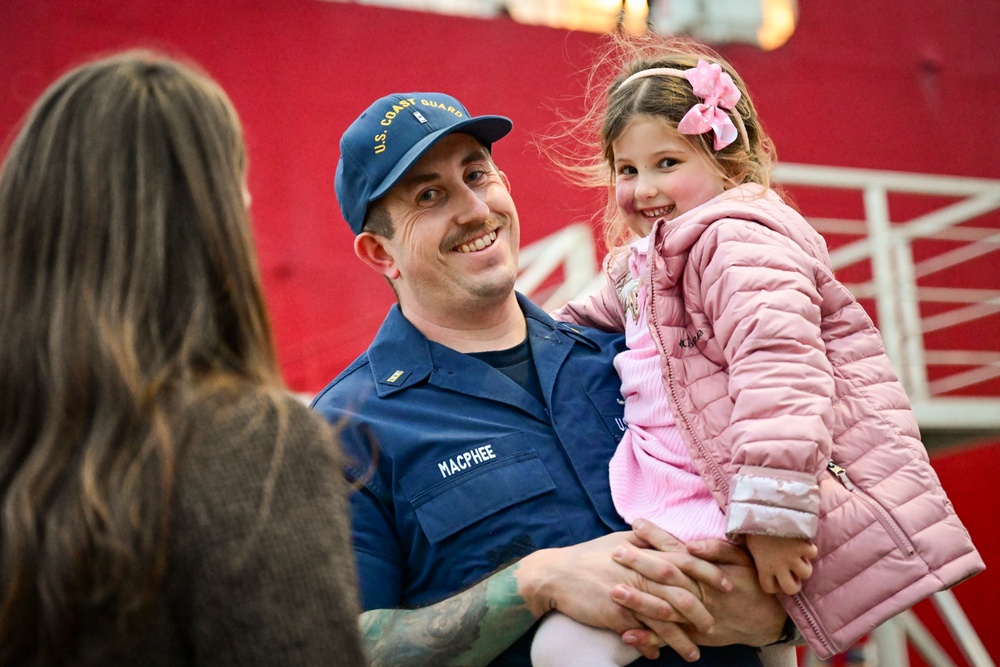
The U.S. Coast Guard Cutter Storis (WAGB 21) pulled into its temporary home port in Seattle on Saturday, November 14, concluding a 133-day deployment that signals a major shift in how the United States asserts its presence in the High Arctic.
The 360-foot icebreaker, formerly a commercial vessel acquired in December 2024, returned after covering more than 17,000 nautical miles, marking the first time in over two decades that a polar icebreaker has been tasked with a designated law enforcement mission.
Expanding the Scope of Arctic Sovereignty
This mission was far from a routine patrol. As the sole U.S. surface asset operating in the High Arctic for portions of the deployment, the Storis took on a variety of roles ranging from maritime security to border control. The crew spent more than 300 hours under Operation Frontier Sentinel keeping tabs on foreign-flagged research vessels, specifically monitoring four Chinese-flagged ships operating over the U.S. extended continental shelf.
The strategic stakes are high. With the Coast Guard’s other medium icebreaker, the Healy, sidelined since July due to a significant engineering casualty, the Storis has become a critical piece of the service’s northern puzzle.
The vessel’s ability to conduct live-fire gunnery exercises in ice-covered waters—the first time in decades for a Coast Guard surface asset—served as a test bed for future national defense missions in the region.
Operational Milestones in Extreme Conditions
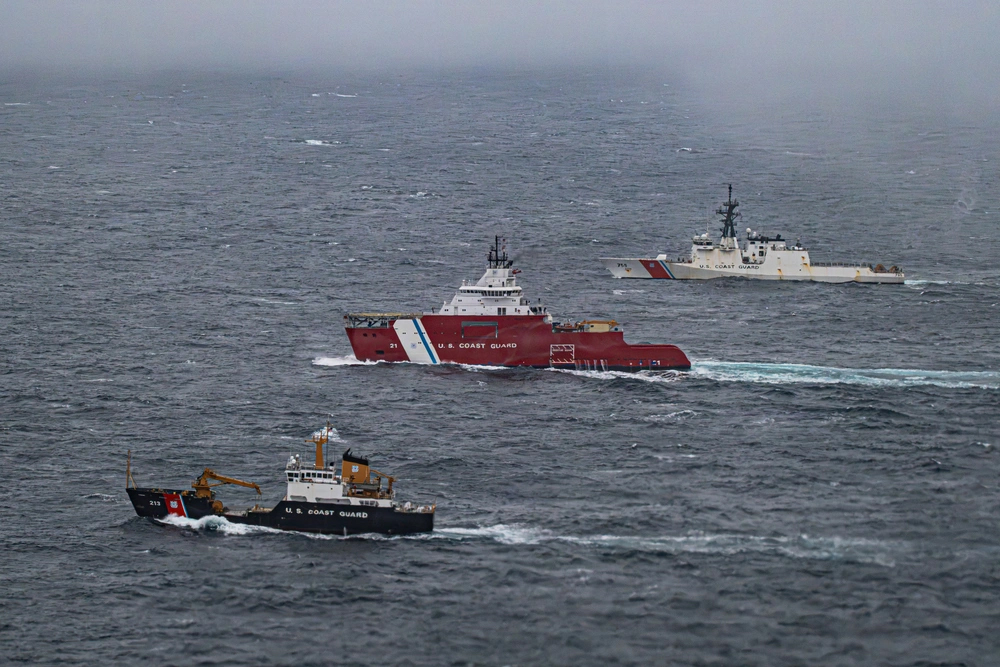
The deployment was not limited to surveillance. The crew engaged in complex maneuvers and multi-agency cooperation to prove the vessel’s utility as a true military asset. This included a simulated replenishment-at-sea exercise with the Coast Guard Cutter Stratton near Unalaska, Alaska, which tested the Storis’s dynamic positioning system and sensor suites.
The crew also partnered with the National Oceanic and Atmospheric Administration to perform boardings and fisheries inspections in the Bering Sea, illustrating the transition from commercial platform to multi-mission cutter.
“The crew’s hard work exceeded expectations in turning Storis into an actionable, multi-mission military vessel,” said Capt. Corey Kerns, commanding officer of the Storis. “Through their steadfast dedication and operational expertise, Storis has set the definitive precedent for the Coast Guard’s future operations in the Arctic region and Alaska theater of operations.”
Beyond law enforcement and defense, the vessel served as a platform for technological advancement. Working alongside the Coast Guard Research and Development Center and the Defense Innovation Unit, the team conducted five drone sorties to evaluate unmanned aircraft performance in sub-zero temperatures. These tests are part of a trilateral effort involving the United States, Canada, and Finland to refine polar operations.
The Road Ahead for the High North
The return of the Storis to Seattle is a homecoming, but it also highlights the logistical gaps the Coast Guard faces as it attempts to modernize its fleet.
The service has already announced plans to shift the cutter to a permanent home port in Juneau, Alaska, once necessary port upgrades are completed. However, the reliance on a converted commercial vessel underscores the ongoing struggle to maintain a consistent surface presence in the face of intensifying competition from Russia and China.
While the Storis successfully completed its 133-day mission—including providing assistance to the grounded fishing vessel Aleutian Dream and coordinating with the Royal Canadian Navy’s HMCS Max Bernays during Operation Tundra Merlin—the question of long-term sustainability remains open.

Idaho Lawmakers Urged to Support 11,000 Kinship Caregivers as First State Blueprint Nears
Idaho Caregiver Alliance program manager urges lawmakers to support 11,000 kinship caregivers as first state blueprint nears completion....

Feds Seize Kalihi Spam Array Capable of 230,000 Texts Per Minute
Federal agents seized a Kalihi spam array capable of transmitting 230,000 texts per minute during a pre-dawn search...

Lalani Ventures Buys Office Portion of Historic Portman Tower at Peachtree Center
Lalani Ventures, the real estate firm currently steering the massive redevelopment of Underground Atlanta, has expanded its downtown...
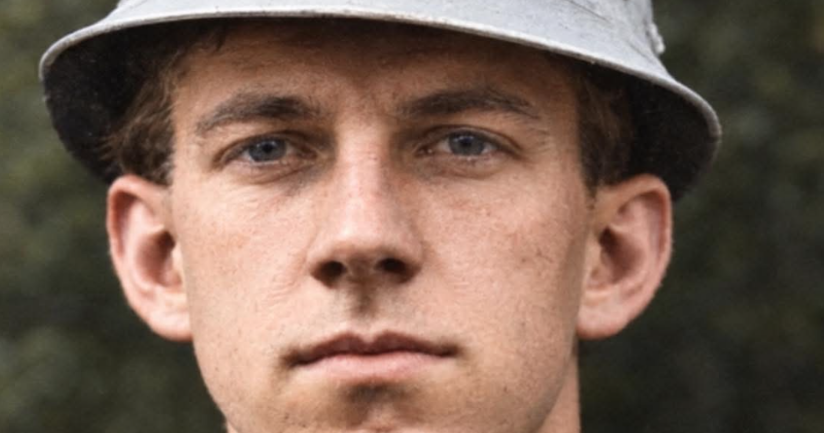
Wilmington Honors Fallen Officer Thomas Zebley With Headstone 107 Years After Death
On the 107th anniversary of his death, the final resting place of Wilmington Patrolman Thomas Zebley was finally...