Utah Republicans will steer the 67th Legislature with a new Senate president and a reshuffled majority team after November’s election cost them their longtime majority leader and forced a leadership reset they did not expect.
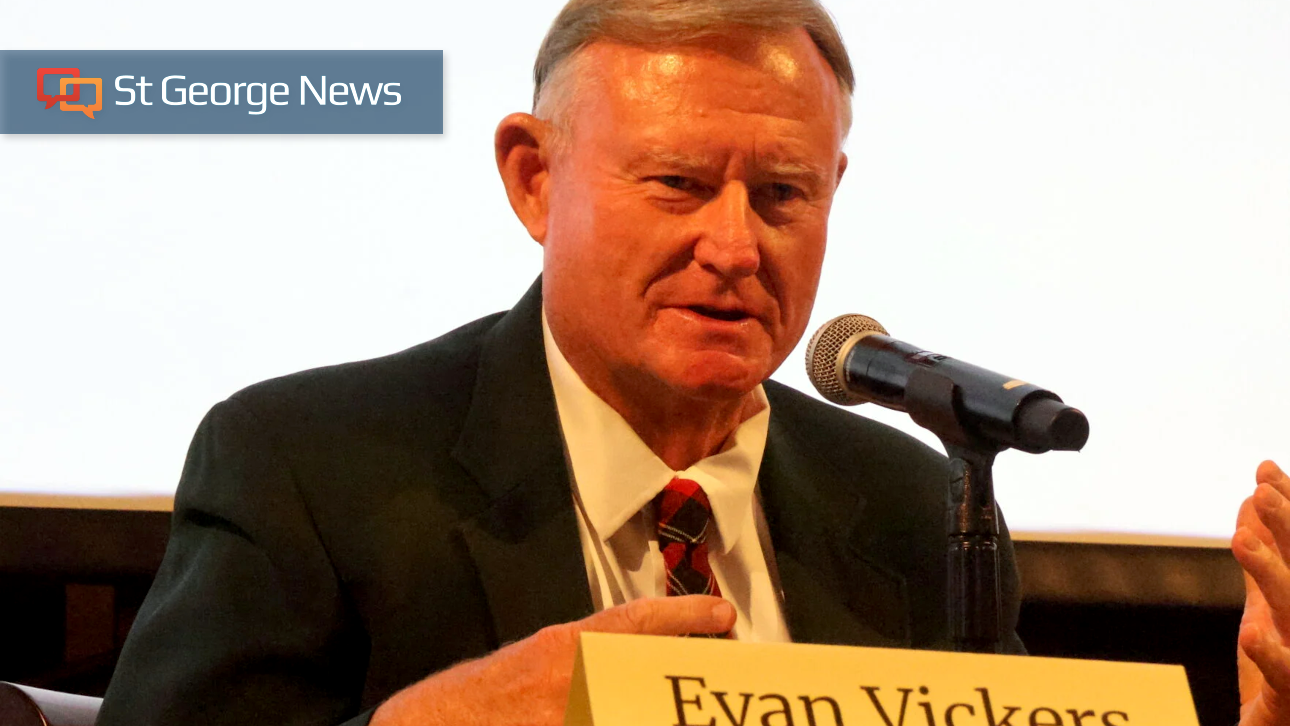
Sen. Evan Vickers, R-District 28, was unanimously elected Senate president by the Republican caucus on Nov. 6, stepping into the role vacated by Stuart Adams, who lost his June primary. The same caucus vote installed Sen. Chris Wilson as majority leader, Sen. Michael McKell as majority whip and Sen. Keven Stratton as assistant whip, Utah Senate reported.
The turnover began at the top. Adams’ primary defeat in June guaranteed a new president for the first time in six years. Vickers had been quietly lining up support since summer, but the picture sharpened on election night when Majority Leader Kirk Cullimore conceded to Democratic challenger Shana Anderson in Senate District 19.
Cullimore’s loss not only flipped a seat — it erased the presumed heir to the presidency and left the majority leader’s chair empty two months before the session, Gephardt Daily reported.
“I want to build on the Senate’s strengths and make it even better,” Vickers said in the Senate’s release. “I am grateful for my colleagues’ trust and honored to serve the people of Utah.”
The new lineup
Vickers formally announced the appointed leadership team Thursday, rounding out the roster with budget and procedural veterans. Sen. Don Ipson will chair the Executive Appropriations Committee, with Sen. Scott Sandall as vice chair. Sen. Calvin Musselman takes the Rules Committee gavel, backed by Vice Chair Sen. Derrin Owens. Sen. Wayne Harper serves as president pro tempore, and Sen. Heidi Balderree steps in as caucus manager.
“I have a lot of confidence in this leadership team and the experience each member brings,” Vickers said. “We have important decisions to make this session, and those decisions need to be grounded in what we hear from Utahns across the state.”
The appointments show the White House values institutional memory. Ipson, Sandall, Musselman and Harper have each chaired major committees in previous sessions. Wilson, the new majority leader, represents District 2 in northern Utah and has served on the Executive Appropriations Committee. McKell, the whip, carries District 25 in Utah County. Stratton, the assistant whip, represents District 24.
Democrats gain ground, pick their own leaders
While Republicans retained a comfortable majority, the November wave narrowed it. Senate Democrats stand to gain two seats, bringing their caucus to a projected 6–23 split. They moved quickly to formalize leadership: Sen. Luz Escamilla, D-District 10, will remain minority leader; Sen.-elect Silvia Catten, D-District 13, becomes minority caucus manager; Sen. Karen Kwan, D-District 12, takes minority whip; and Sen. Jen Plumb, D-District 9, serves as minority assistant whip, Gephardt Daily reported.
House holds steady under Schultz
Across the rotunda, Republicans lost 16 seats and their supermajority but kept Rep. Mike Schultz, R-District 12, as speaker. The House GOP caucus elected Rep. Casey Snider majority leader, Rep. Candice Pierucci majority whip and Rep. Cal Roberts assistant whip. House Democrats are scheduled to name their leaders Nov. 16.
The divergent outcomes — Senate Republicans losing a leader but keeping their margin, House Republicans bleeding seats but keeping their speaker — reflect a map where Senate districts absorbed more of the Democratic surge than House districts did.

What the session will test
The 67th Legislature convenes in January 2027. Its first stress test will be the budget. With federal pandemic aid exhausted and revenue growth slowing, the Executive Appropriations Committee — now led by Ipson and Sandall — must write a spending plan that satisfies a caucus accustomed to surpluses while addressing the infrastructure and water pressures that come with the nation’s fastest-growing population.
Vickers has framed his presidency around process: “As leaders, our job is to support the entire Senate and make sure every senator has a voice as we weigh those decisions. I want to leave the Senate better than I found it, and I believe that starts with how well we listen to the people we serve.”
Vickers first entered the Legislature in 2009 as a House member from District 72 before winning the Senate District 28 seat in a 2012 special-election primary against appointed incumbent Casey O. Anderson with 66% of the vote.
A pharmacist by training, he earned a BS from the University of Utah and was named Pharmacist of the Year by the Utah Pharmacists Association, later receiving the group’s Legislator of the Year award along with the NFIB Utah Small Business Champion of the Year honor. Before his legislative career he served on the Cedar City Council from 1987 to 1999.
Whether that rhetoric survives the first contentious bill — likely a tax cut, a water rights rewrite or a social policy fight — will define the session more than any leadership announcement.
Related reading

Mayor Mamdani Announces Disbanding SRG That Arrested Him Twice
Mayor Zohran Mamdani announced Monday that he is disbanding the NYPD's Strategic Response Group, the same elite tactical...
Arkansas Reports First 2026 Measles Cases: Five Probable Infections Linked to Out-of-State Travel
Arkansas has recorded its first measles cases of 2026, five probable infections in unvaccinated Lawrence County residents exposed...
Missouri Funds Midwife Training but Keeps Laws That Drive Them Away
The state is spending nearly $1 million to build its first nurse-midwifery program while requiring a physician’s signature...

Former Army Supervisor Accuses Gov. Wes Moore of Stolen Valor Over Combat Claims
"It’s disingenuous to say he led soldiers into combat or did direct action activities in combat zones," said...