“We’re trying to come up with new ways of doing things that are not the same ways we’ve always done it,” Erin Wessel said, describing a grassroots push to reshape how rural communities handle an aging population.
That effort is taking shape across Windham County, where an organizational collaborative called Windham Aging is working toward a singular goal: allowing Vermonters to age well in place by 2040. The group’s strategic plan aligns with the statewide Age Strong VT initiative, focusing across five distinct areas that include health, wellness, transportation, the health care workforce, and housing.
Wessel serves as the Community Health Program Coordinator for Aging Focus at Brattleboro Memorial Hospital and acts as the sole staff member managing the 24 organizations and core teams implementing the initiative. Rather than relying on standard collective impact models, Wessel said the collaborative operates on an approach she calls “radical collaboration.”
This framework is rooted in transparency, trust, and joint problem-solving. For the housing focus area, that meant partnering with Mariya Shcheglovitova, a University of Vermont Extension Assistant Professor and human geographer.
Shcheglovitova joined the effort after attending a community meeting in the summer of 2025. Before her time at UVM, she worked in the Office of Policy Development and Research at the U.S. Department of Housing and Urban Development.

“I love data, because I love the story that it tells, but I also have a lot to learn and kind of the limitations that we have in small towns in Vermont,” Wessel said, noting that granular social determinants of health data for residents over 60 on a street-by-street level simply do not exist for Windham County.
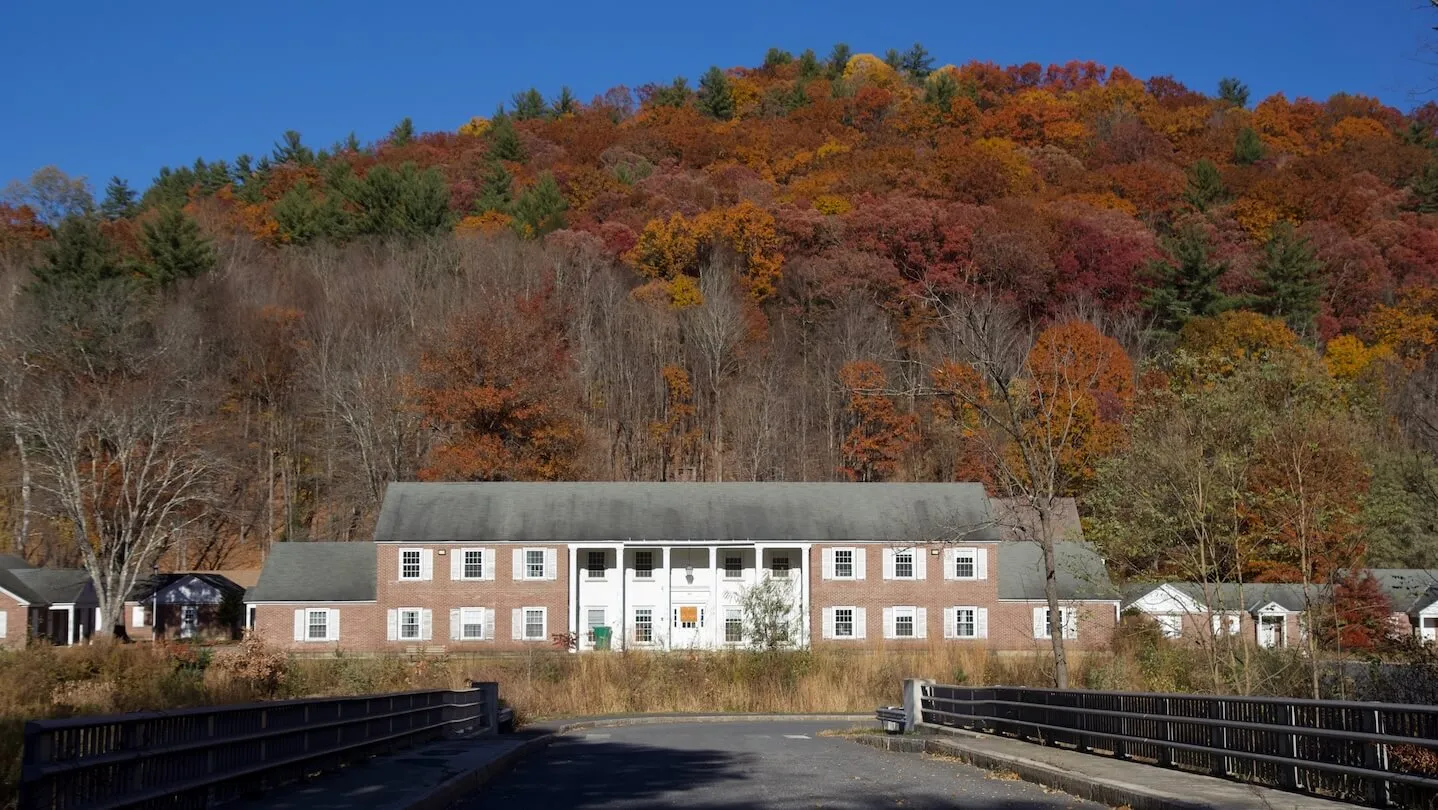
Instead of chasing impossible metrics, Shcheglovitova is guiding the collaborative to build community research around specific questions rather than sprawling datasets. That strategy faced a distinct real-world test regarding Melrose Terrace, a Brattleboro housing development that flooded during Tropical Storm Irene in 2011, forcing the evacuation of 60 of its 80 residents.
In the years since the disaster, Brattleboro Housing Partnerships worked through a lengthy deliberative process with FEMA and the town to remove 11 of the 16 original buildings. The cleared land now serves as a flood-safe open space designed to let the Whetstone Brook expand during heavy rains while making room for new housing outside the hazard zone.

In October, U.S. Vermont Congresswoman Becca Balint joined Brattleboro Housing Partnerships to celebrate a $1.75 million federal appropriation to redevelop 30 units at Melrose Terrace. Yet the site remains vacant, posing a unique communication challenge when planning housing for older residents who remember the 2011 disaster.
“How do you convince longtime community members, make them understand that a parcel of land that has been flooded time and time again is safe to live on?”
That question led Shcheglovitova to compile data and build a StoryMap illustrating the project’s evolution. The digital tool displays “before” images of buildings in the floodplain alongside “after” aerial views and incorporates a 2024 FEMA letter revising the local flood map to reflect a reduced risk.
“Sometimes, I think having the artifacts along with the evidence makes the story so powerful,” Shcheglovitova said.
“We would not be anywhere near where we are now if it wasn’t for her involvement,” Wessel said.
Keep reading

Brooks, Booker Score 29 Each as Suns Beat Kings 128-107
Dillon Brooks and Devin Booker scored 29 points apiece as the Phoenix Suns defeated Sacramento 128-107 on Wednesday...

AMFA Announces World Premiere of Gingerbread Man: The Untold Story for Holiday 2026
The Arkansas Museum of Fine Arts will open the world premiere Children's Theatre production of Gingerbread Man: The...

Seawolves Open Governor’s Cup vs Nanooks, Rud Faces Son
Alaska Anchorage heads north to open the Alaska Airlines Governor's Cup against Alaska Fairbanks this weekend. The Seawolves...

Associates in Gastroenterology Details Abdominal Pain Causes in Huntsville
Persistent stomach discomfort or sharp cramping in Huntsville can disrupt daily routines, making it difficult to enjoy meals,...