Cohousing communities are quietly reshaping housing across Vermont, with the state now home to 12 such developments.
This growth marks a significant shift from 1995, when the state hosted only a single cohousing project, according to the National Cohousing Alliance.
The model functions through a blend of private ownership and collective responsibility. Residents own their individual homes while sharing common spaces—ranging from kitchens and gardens to laundry facilities—designed to foster daily interaction. At the Burlington Cohousing East Village, this translates to residents sharing meals every other night and maintaining a communal garden, as reported by VTDigger.
For those living within these developments, the appeal lies in the intentional nature of the environment. “It’s a dynamic way to live. So that includes all the ‘Oh my goodnesses’ and the pleasant surprises,” Sharyl Green, a resident of East Village, told VTDigger. Beyond the social benefits, supporters argue the model addresses modern isolation while promoting sustainability through shared resources like lawnmowers, cars, and children’s toys.
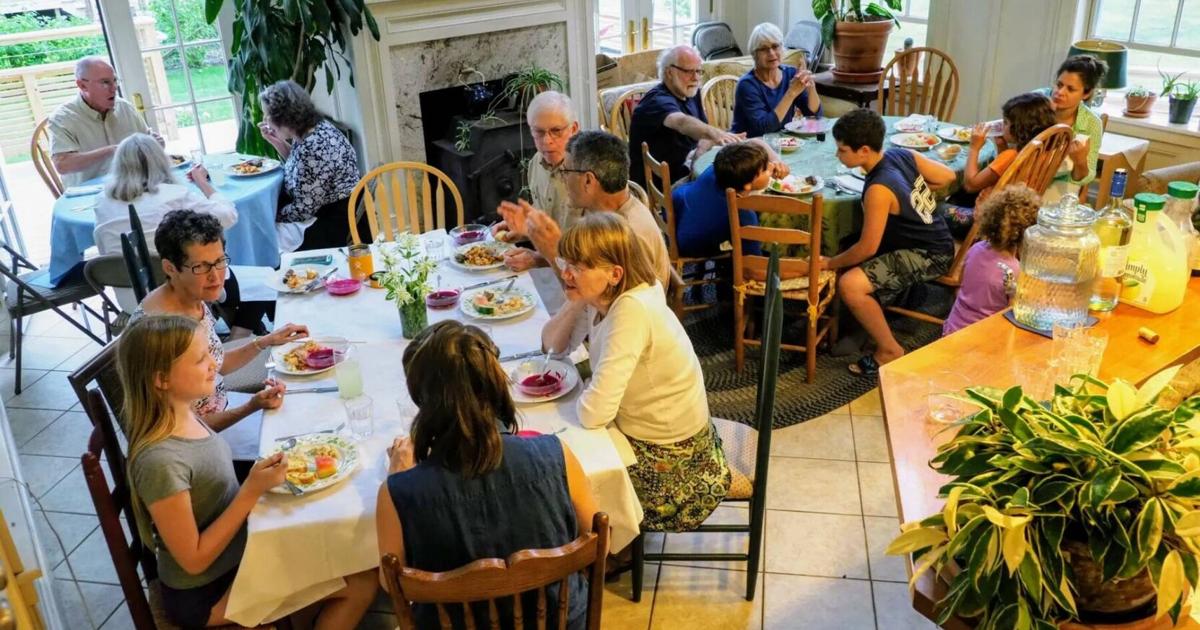
The organizational backbone of many of these communities is a system called sociocracy, which relies on decentralized decision-making. At East Village, residents divide labor among six committees, including land, building, and home management.
Bristol Village Cohousing in Bristol, a 14-unit development, utilizes a similar structure. “Everyone has a job. Every month we have work time, so we all get together and do projects together,” Jim Mendell, vice president of the National Cohousing Alliance Board, told VTDigger.
The practical utility of these shared spaces often extends into the civic sphere. Residents at East Village have utilized their common areas to host political events, including a recent campaign stop for gubernatorial candidate Amanda Janoo. Proponents suggest that without these designated communal zones, such local engagement would be much harder to coordinate.
Despite the growth, the model faces persistent economic hurdles. Liz Ryan Cole, a former member of the National Cohousing Alliance, said that the cost-effectiveness of cohousing remains one of its most common criticisms. The specialized design and zoning requirements often drive up construction costs, making affordability a complex challenge for developers and residents alike. Some units at East Village are managed by the Champlain Housing Trust to help maintain accessibility.
The tension between the desire for communal living and the reality of market-rate construction costs creates a difficult balance. While organizations like the National Cohousing Alliance are actively seeking ways to lower the barrier to entry, these communities remain a niche, albeit expanding, alternative to traditional homeownership.
As Mendell noted, the movement is not a panacea for global issues, but it offers a tangible framework for those seeking to mitigate the effects of modern loneliness through shared, intentional living.
Ultimately, the success of these developments relies on the active participation of those who call them home. As Cole observed, while these neighborhoods are not utopian, they remain deeply cooperative. Whether the model can scale beyond its current reach in Vermont depends on reconciling the high cost of development with the growing demand for community-centric housing.

Bridgestone Seeks Lead Technician in Cheyenne; Platforms Report Differing Pay Ranges
Bridgestone Retail Operations is currently seeking a Lead Technician for its Cheyenne location, offering a $2,000 sign-on bonus...

Milwaukee North Side Waits 11 Months for Promised Grocery Store That Never Opened
Residents near 64th and Silver Spring Drive are still waiting for a storefront to open that was promised...

United Airlines Charleston Office: FAQ on Location, Flights, and Lost Luggage
Travelers flying through Charleston International Airport often find themselves managing various airline procedures that require a clear understanding...

CBU Falls 83-54 to Seattle, Drops to 1-4 Before Road Trip
The California Baptist University men’s basketball team faced a difficult reality on Tuesday night, closing out their three-game...