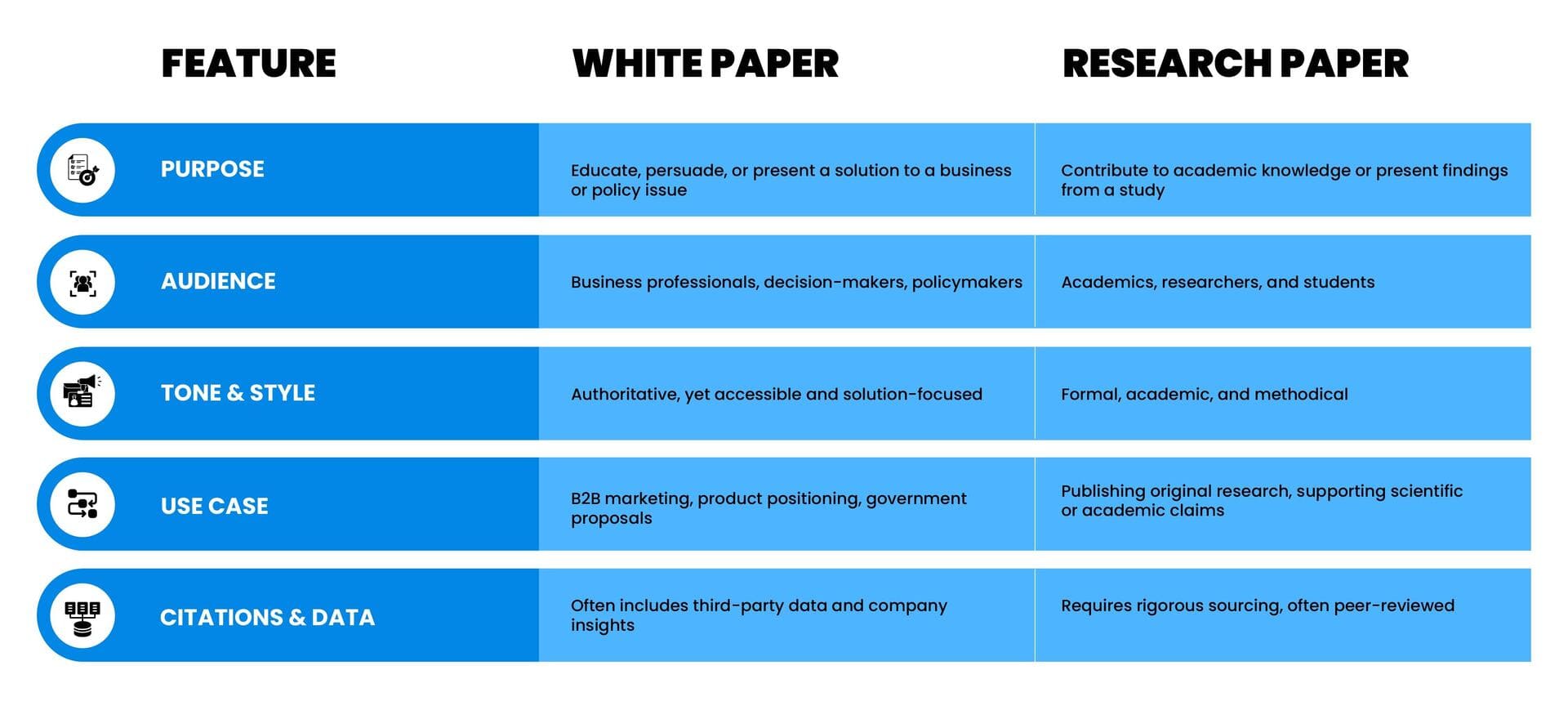
The University of Wyoming’s Center for Energy Regulation and Policy Analysis published a white paper comparing production-based tax burdens across the 35 oil- and natural gas-producing states.
Written by assistant research professional Seth Felbeck, the study models how each state applies four primary mechanisms — severance, ad valorem, conservation and corporate income taxes — to a standard production scenario, giving policymakers and operators a direct apples-to-apples comparison, UW’s School of Energy Resources reported.
“No two oil- and gas-producing states share the exact same tax policy, and the industry looks different in each location,” Felbeck said. “We set out to model these varying frameworks to see exactly where Wyoming stacks up in terms of benefits and burdens under its current tax structure.”
The paper is designed strictly as an objective resource and makes no policy or production recommendations, the center emphasized. CERPA Director Matt Fry framed the work as essential context for a state where extractive industries have long underwritten public services.
“Wyoming’s extractive industries have long been a cornerstone of our economy, generating essential public revenue while substantially reducing our residents’ tax liability,” Fry said. “Because our state relies so heavily on these industries, we wanted to give producers, policymakers and the public a clear understanding of how Wyoming’s tax burden compares with other producing states.”
“No two oil- and gas-producing states share the exact same tax policy, and the industry looks different in each location,” said Seth Felbeck, assistant research professional at CERPA. “We set out to model these varying frameworks to see exactly where Wyoming stacks up in terms of benefits and burdens under its current tax structure.”
“Wyoming’s extractive industries have long been a cornerstone of our economy, generating essential public revenue while substantially reducing our residents’ tax liability,” said Matt Fry, director of CERPA. “Because our state relies so heavily on these industries, we wanted to give producers, policymakers and the public a clear understanding of how Wyoming’s tax burden compares with other producing states.”
The University of Wyoming, a public land-grant research university in Laramie, was founded in March 1886, four years before Wyoming became the 44th state. Its location is written into the state constitution, and the first class of 42 men and women began instruction in September 1887.
The white paper is available for download through the SER Publication Database, and additional CERPA resources can be found at the center’s website.

Chris Armas’ Crossword Puzzles Bring Joy to Kansas City Current
Kansas City Current forward Haley Hopkins scored the winner in the last minute of regulation against Gotham FC...

VFW Post 406 Rededicates Memorial Boulevard on Veterans Day
"Memorial Boulevard is more than a roadway; it is a lasting tribute to the courage, patriotism and sacrifice...

Randy Pierce — known to everyone
Randy Pierce — known to everyone who crossed his threshold simply as "Frog" — died on November 20,...

Sacramento Mayor Kevin McCarty Settles With Ethics Watchdog for $29,500
Sacramento Mayor Kevin McCarty paid for his family's cellphone bills with campaign money for years, a habit that...