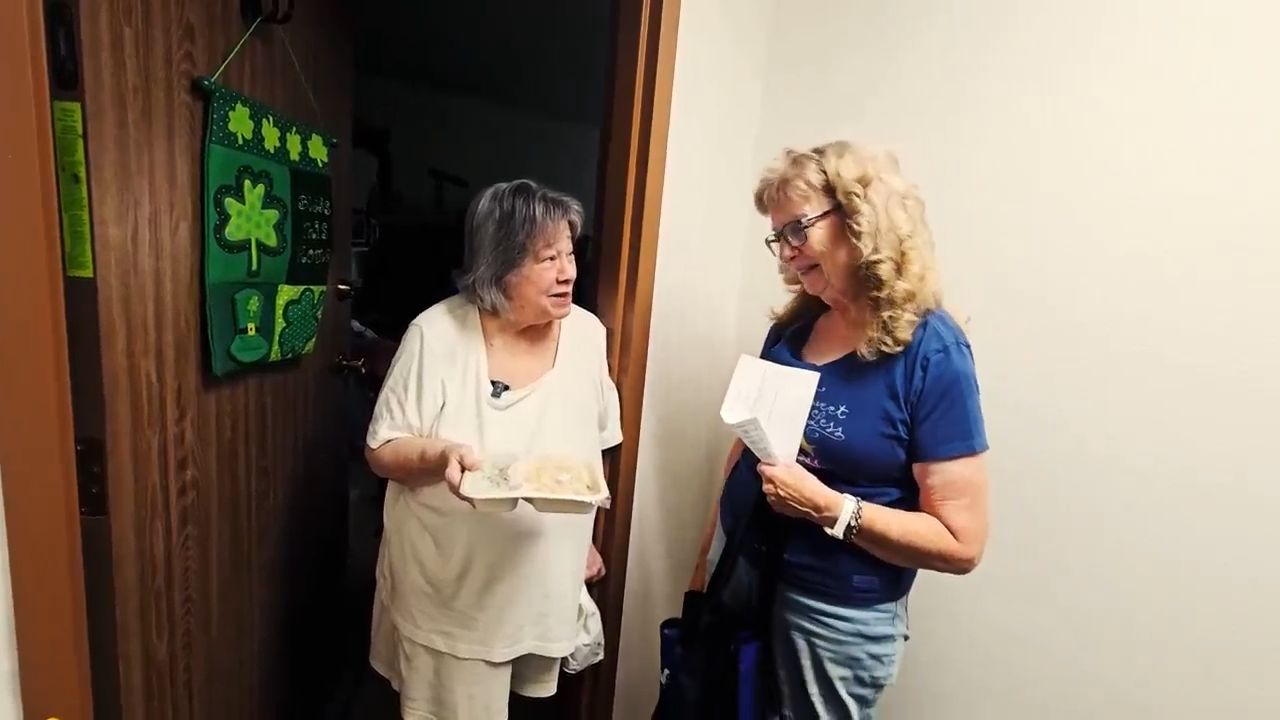
Vana Steffan Marks Three Decades Delivering Nutrition in Madison
“I enjoy doing it very much. As long as I can still drive and connect with people, I will keep doing it.” For Vana Steffan, a 76-year-old Madison retiree, these words define a routine that has held steady for 30 years. Every Wednesday, Steffan loads her vehicle to complete her Meals on Wheels route, a commitment that has evolved from a simple volunteer task into a vital lifeline for her community, Spectrum News reported.
The program serves a demographic often hidden from public view: older adults and those with mobility challenges who cannot easily access consistent, nutritious food. According to the Administration for Community Living, which oversees federal funding for nutrition services under the Older Americans Act, these programs do more than provide calories; they provide a “social check-in” that is often the only human contact a recipient has in a given day.
The Human Stakes of Home Delivery
The impact of this volunteer work extends well beyond the delivery of a meal. For recipients like Maurcine Riley, the arrival of a familiar face is as significant as the food itself. “It’s nice to see a familiar face,” Riley said, noting the comfort that comes with established, long-term relationships.
This sentiment is echoed by the families of those receiving support. Janice Pigg, whose husband lives with dementia, expressed deep gratitude for the service. Because Pigg manages limited mobility herself, the weekly visits provide a reliable point of connection that extends to the whole household, including the family dog who has grown accustomed to the visits.
“Everybody deserves to be fed and have a meal, and their circumstances sometimes don’t allow for that. That’s the saddest part, and that’s why we love Meals on Wheels.” — Sherry Bleecker
Sherry Bleecker, who highlights the necessity of these services, points to the economic and physical reality that many households face. When age-related decline or disability intersects with isolation, the simple act of food delivery becomes a critical intervention against malnutrition and loneliness.
The Reality of Volunteer Logistics
While the program is often viewed through the lens of community kindness, the operational reality requires significant dedication from volunteers. Over the course of three decades, Steffan has navigated hundreds of deliveries in all kinds of Wisconsin weather, personally covering her own gas costs. She describes the experience as something that lingers long after the route is completed, noting that the stories and interactions she encounters stay with her.
From a policy perspective, the reliance on volunteer-driven models remains a point of discussion for local governments. While the USDA Commodity Supplemental Food Program and other state-level initiatives provide the backbone for food security, the “last mile” of delivery—getting the food from a distribution center to a kitchen table—is frequently dependent on the labor of individuals like Steffan. Without this volunteer capacity, the administrative cost of professionalizing such a granular delivery network would be prohibitive for many non-profits.
The work remains ongoing. As Steffan continues her weekly route, the demand for such services remains high in Madison, highlighting the persistent gap between public nutrition assistance and the day-to-day needs of the homebound population.
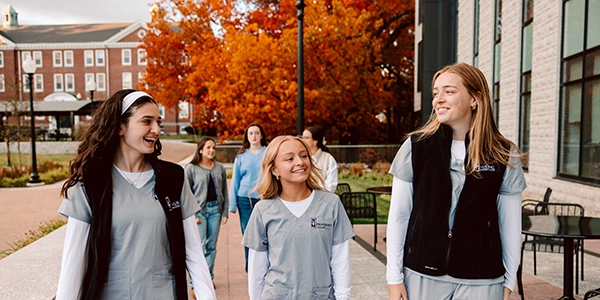
Providence College Leadership Celebrates CCNE Nursing Accreditation
“Accreditation affirms the excellence of the nursing education offered at PC and marks a significant achievement for one...

Portland City Council Approves Opioid Settlement Funds for Riverside Winter Warming Shelter
Portland City Council approves industrial park warming shelter as winter approaches The Portland City Council has voted to...

Ramaswamy and Acton compete for Ohio governorship
Ohio voters face a choice between two political outsiders After a term-limited sitting governor who’s spent five decades...
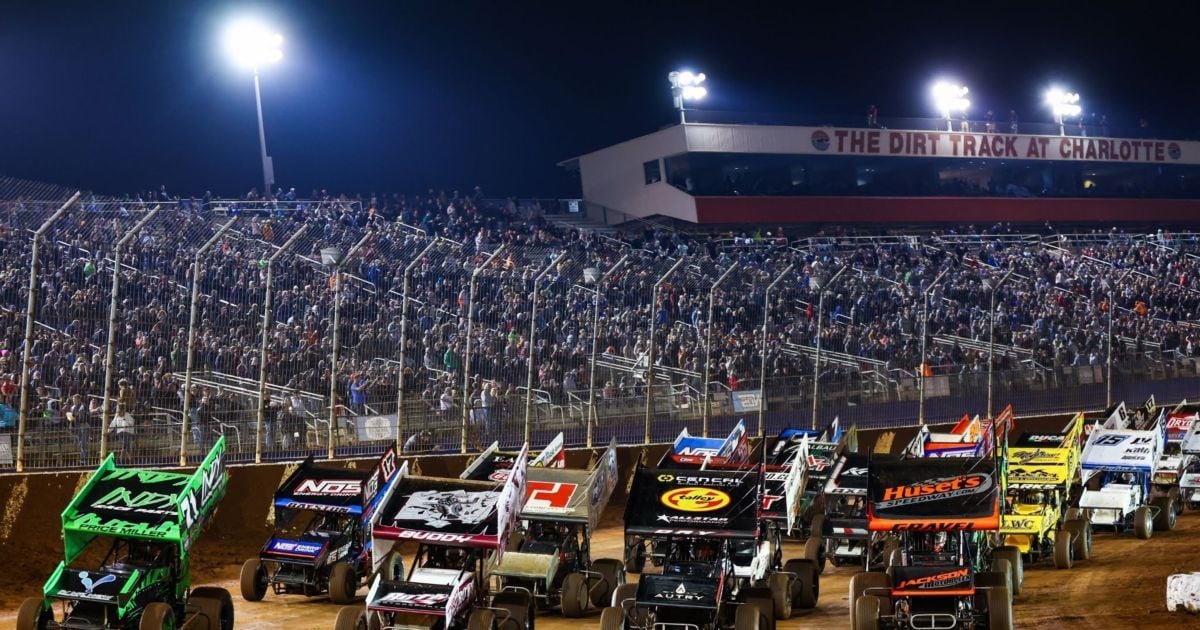
World of Outlaws World Finals: 3 Series, 4 Days of Championship Racing at Charlotte
The Dave Smith Motors World of Outlaws World Finals returns to The Dirt Track at Charlotte Motor Speedway...