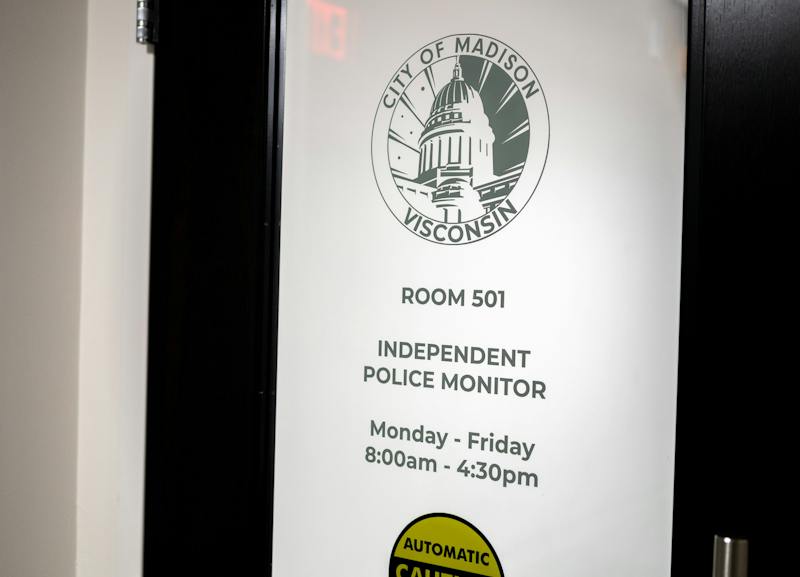
Madison Common Council Ousts Interim Police Monitor After Marathon Session
The Madison Common Council voted 14-6 to terminate interim Independent Police Monitor Aeiramique “Meeka” Glass after a meeting that began Oct. 20 and lasted more than 12 hours. The decision followed allegations outlined in an August memo from the city attorney’s office about possible violations involving the Office of the Independent Police Monitor.
The termination leaves the city’s Office of the Independent Monitor under the supervision of the Common Council’s chief of staff until someone else is hired. For residents pushing for transparent police accountability—particularly in wake of the July 22 fatal shooting of Corey Ruiz by Madison police officer Kiel Baitinger-Peterson, as detailed by The Cap Times—the council’s vote is viewed as a severe blow to independent civic oversight.
The Preceding Friction and Administrative Disputes
The path to Glass’s firing was paved with mounting legal and administrative disagreements between the monitor’s office and city leadership. According to an August memo issued by the city attorney’s office, Glass hired outside contractors to assist with city investigations without a city-approved contract and retained outside legal services without returning a signed contract. City Attorney Michael Haas maintained that while the monitor’s office operates separately from the police, it remains a city agency and must follow city rules.
Madison Common Council votes to remove Interim Independent Police Monitor Aeiramique Glass. The decision sparked criticism from some alders and protests outside the City-County Building, where community members called for police accountability. Read full story here: pic.twitter.com/2hPvfXR5QM
Glass disputed the allegations and argued that strict enforcement of every city administrative procedure undermines the structural independence required for effective oversight. Supporters echoed this perspective during public commentary, which spanned more than seven hours.
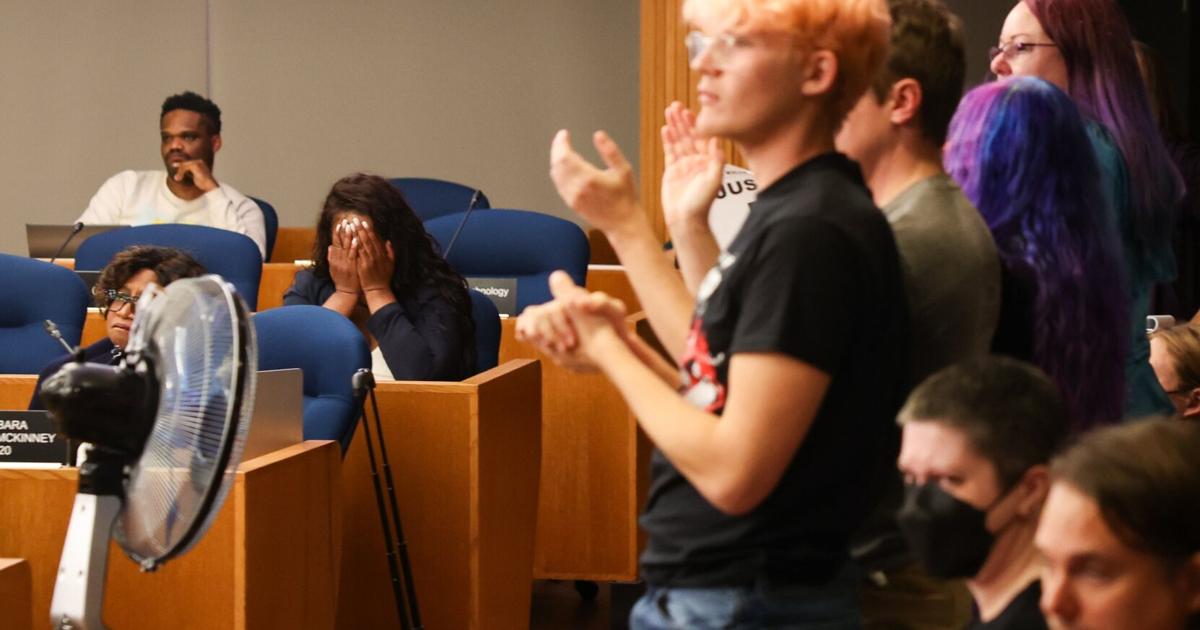
Amelia Royko Maurer, a member of the Community Response Team, told the council during emotional testimony captured by The Daily Cardinal that Glass had revealed what was possible in independent oversight in Madison. Maurer, who stated she had been doing this work for 14 years, told the council she did not know anyone else who could have accomplished what Glass had done.
Conversely, defenders of the council’s resolution pointed to operational missteps, including Glass’s failure to facilitate the hiring of a permanent Independent Police Monitor before her interim term was scheduled to expire in March. The resolution to terminate her appointment also followed an August 4 incident where Glass clashed with police officers during the dismantling of a memorial encampment on Williamson and Baldwin streets, following the shooting of Corey Ruiz.
Diverging Views on Oversight Authority
The debate exposed sharp ideological divides regarding the actual power and mandate of the Office of the Independent Monitor and the Police Civilian Oversight Board. Alder John Guequierre argued in correspondence with The Daily Cardinal that neither body holds authority to levy criminal charges or dictate policing procedures.
“The PCOB and OIM have no authority to file criminal charges and no authority to implement policing procedures. They can only recommend,” Guequierre wrote. “Their power derives solely from whatever moral authority they have earned from the people of Madison and the alders whom they elect. Absent that, they are only howling in the wind.”
On the other side of the chamber, activists argued that local establishment politics and police union influence played an improper role in the ouster. Rylee Jenich, who runs a local alternative to policing program, pointed out during public comments reported by The Daily Cardinal that Alder Barbara Harrington-McKinney and Alder Joanne Pritchett received money from the Madison Professional Police Officers Association, the union representing officers involved in fatal use-of-force incidents.
Public sentiment favored retaining the interim monitor during the proceedings. More than 300 residents registered in opposition to the firing, compared to 177 who agreed that Glass should be removed. Protesters outside the City-County Building displayed caskets bearing the names of alders who voted in favor of the resolution.
Council President Sabrina Madison defended her affirmative vote during the session, noting that public hostility and tension kept many potential participants away from the room. Meanwhile, Mayor Satya Rhodes-Conway—who announced she won’t seek a third mayoral term, citing increasingly vitriolic, personal attacks—alongside other council sponsors, proceeded with the vote that leaves the city searching for yet another path forward in local police oversight.
Related reading

Beetlejuice haunts Little Rock this weekend with laughs at Robinson Center – KATV
The Tony-nominated Broadway national tour of Beetlejuice arrives at Little Rock's Robinson Center this weekend, bringing a mix...

ASU partners with community colleges to bring 3-year teaching degrees to rural Arizona
Arizona State University Expands Three-Year Teaching Degrees to Rural Community Colleges According to news.asu.edu, Arizona Western College and...

Missing Angoon fisherman found dead after communitywide search – Juneau Independent
Community Search Ends in Tragedy as Missing Angoon Boater Found Dead “We worked closely with our partner agencies...

AHSAA News | 2026 State Volleyball Tournament: Class 5A quarterfinals recap
Defending Champion Spanish Fort Rolls On as AHSAA Class 5A Volleyball Quarterfinals Take Shape Spanish Fort began its...