
Verizon’s board had a plan for life after Hans Vestberg. It failed, and the company turned to a rancher in Montana.
Dan Schulman, who spent time tending roughly 900 head of cattle on a Montana ranch, returned to the corner office in October 2025 because the succession plan the board approved failed, Inc. reported. “We had a plan.”
The scramble exposes a governance gap that academic research has warned about: boards rarely want to talk about the issue, since asking about succession can feel like undermining the incumbent.
Schulman never ran Verizon, so he does not fit the study’s definition of a boomerang CEO. But the dynamic is similar. He had served on the board since 2018 and, since December 2024, as lead independent director — the designated “hit-by-the-bus” option. “I was the hit-by-the-bus scenario,” he said, explaining that if anything had happened to Vestberg, “I would go in temporarily.”
The backup plan that required a yes
That personal calculus is the part no governance guideline can mandate. The board’s emergency lever was a human being who had already walked away, and the lever moved only because he chose to let it.
Early scoreboard
The first year offers data points, not a verdict.
The MIT research adds a caution flag: boomerang CEOs in the sample delivered annual stock performance that generally ran 10.1 percent below first-stint CEOs. Verizon’s results will need to hold for the exception to prove the rule.
The board now has a leader under contract through 2028. The question it still has to answer is who comes after the backup plan.
Worth a look

Cavaliers Sign Zack Austin to Two-Way Contract, Waive Riley Minix
The Cleveland Cavaliers signed forward Zack Austin to a two-way contract, replacing Riley Minix on the roster's developmental...
Tennessee Tech Beats UNC Asheville 98-77 Behind 26 Turnovers
Tennessee Tech used 26 UNC Asheville turnovers to fuel a second-half surge and secure a 98-77 victory at...
South Dakota High School State Volleyball Tournaments Begin Thursday in Sioux Falls
The South Dakota High School State Volleyball Tournaments tip off Thursday at the Denny Sanford PREMIER Center in...
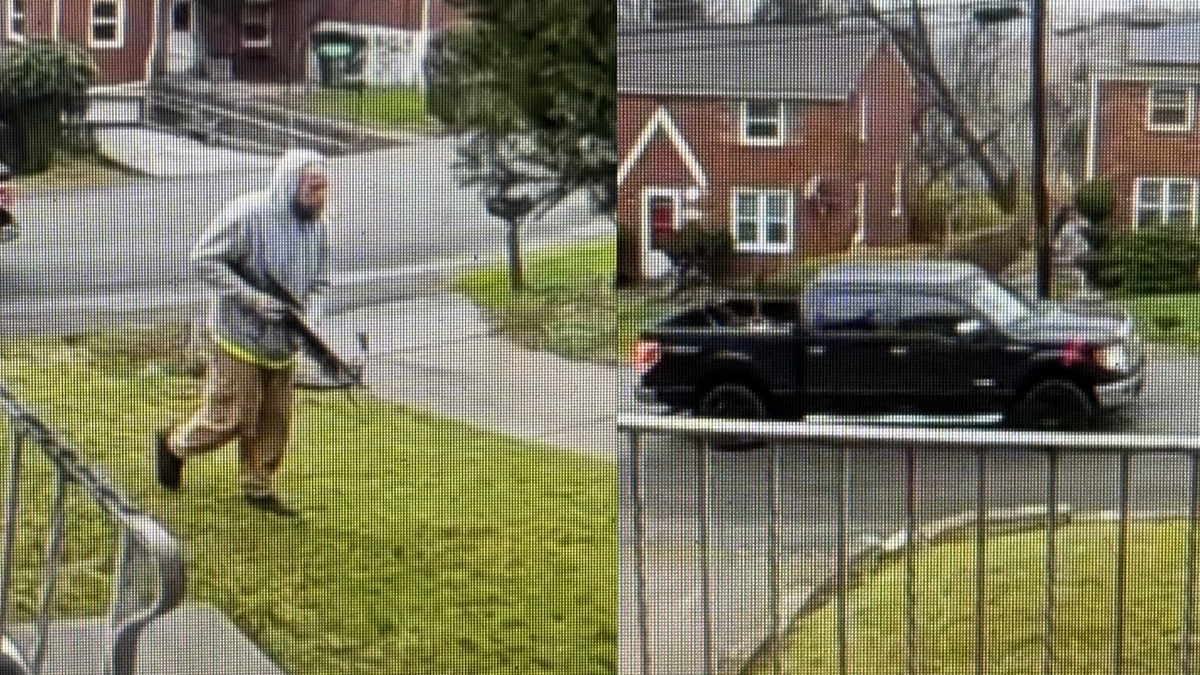
Pennsylvania Game Commission Seeks Public Help Identifying Crossbow Hunter in Wilkinsburg Neighborhood
Residents on a quiet Wilkinsburg street are asking how a hunter with a crossbow ended up chasing a...