
Filing Vermont Apostille Services in Montpelier
Getting a document recognized across international borders requires a specific sequence of state filings, and navigating the process in Vermont means understanding a distinct administrative setup run by the Vermont State Archives and Records Administration (VSARA) on behalf of the Secretary of State.
The office sits at 1078 U.S. Route 2 in Middlesex, operating under a Montpelier mailing address (VT 05633-7701). That address split catches many applicants off guard. Mail travels to Montpelier, while the physical processing building stands a few minutes up the road from the State House in Middlesex without a separate downtown customer service counter.
Every submission requires Form VSARA-35, the original document, and the state fee. Our service is a flat $120 per apostille, all-inclusive. Form VSARA-35 forces applicants to choose between two categories: a Vermont notarized document or a Vermont certified public record.
The Hague Convention and Document Authentication Routes
An apostille is a standardized certificate attached to a public document so that a foreign government accepts it without further verification. It certifies only that the signature, seal, or stamp on the page belongs to the official who applied it.

The system exists because of the 1961 Hague Convention Abolishing the Requirement of Legalisation for Foreign Public Documents, which the United States joined in 1981. The HCCH status table lists 130 Contracting Parties where a single apostille replaces a chain of embassy stamps.
Applicants generally face three routing possibilities depending on the document issuer:
- Documents signed by a Vermont notary, clerk, court, or registrar file with VSARA using Form VSARA-35.
- Federal documents like FBI background checks file with the U.S. Department of State using Form DS-4194.
- Documents from other U.S. states file with that specific state’s competent authority.
Non-Hague destinations require a Vermont authentication followed by an additional step at the U.S. Department of State Office of Authentications, then consular legalization.
Sorting Public Records and Private Paperwork
Vermont documents fall into distinct processing tracks. Public records arrive already certified by the official who holds the record. Court documents, such as name change, adoption, probate, or guardianship orders, must carry the clerk’s certification. Private documents have to be turned into notarized documents by a commissioned Vermont notary first.
| Document Type | Issuing Authority | VSARA-35 Classification |
|---|---|---|
| Birth / Marriage / Death Certificate | Town Clerk or Department of Health | Certified public record |
| Court orders: name change, adoption, probate, guardianship | Court | Certified public record |
| Diploma or Transcript | School Registrar | Notarized document |
| Certificate of Good Standing | Secretary of State Corporations Division | Certified public record |
Payment Rules and Return Logistics
Direct filings carry strict payment limitations. Cards are not accepted, and mailed cash is prohibited, making payment defects a common cause for rejection. Furthermore, Vermont does not publish a guaranteed turnaround time for apostille and authentication requests.
Applicants must include a prepaid air bill for courier return. Without one, the state mails documents back via first-class mail. For official guidelines and form downloads, consult the Vermont Secretary of State’s apostille and authentication page or review Form VSARA-35 directly.
Related reading

S&P 500 Futures Rise as Traders Await Consumer Inflation Report
U.S. stock futures climbed early Tuesday as traders awaited a consumer inflation report. S&P 500 futures added 0.23%...
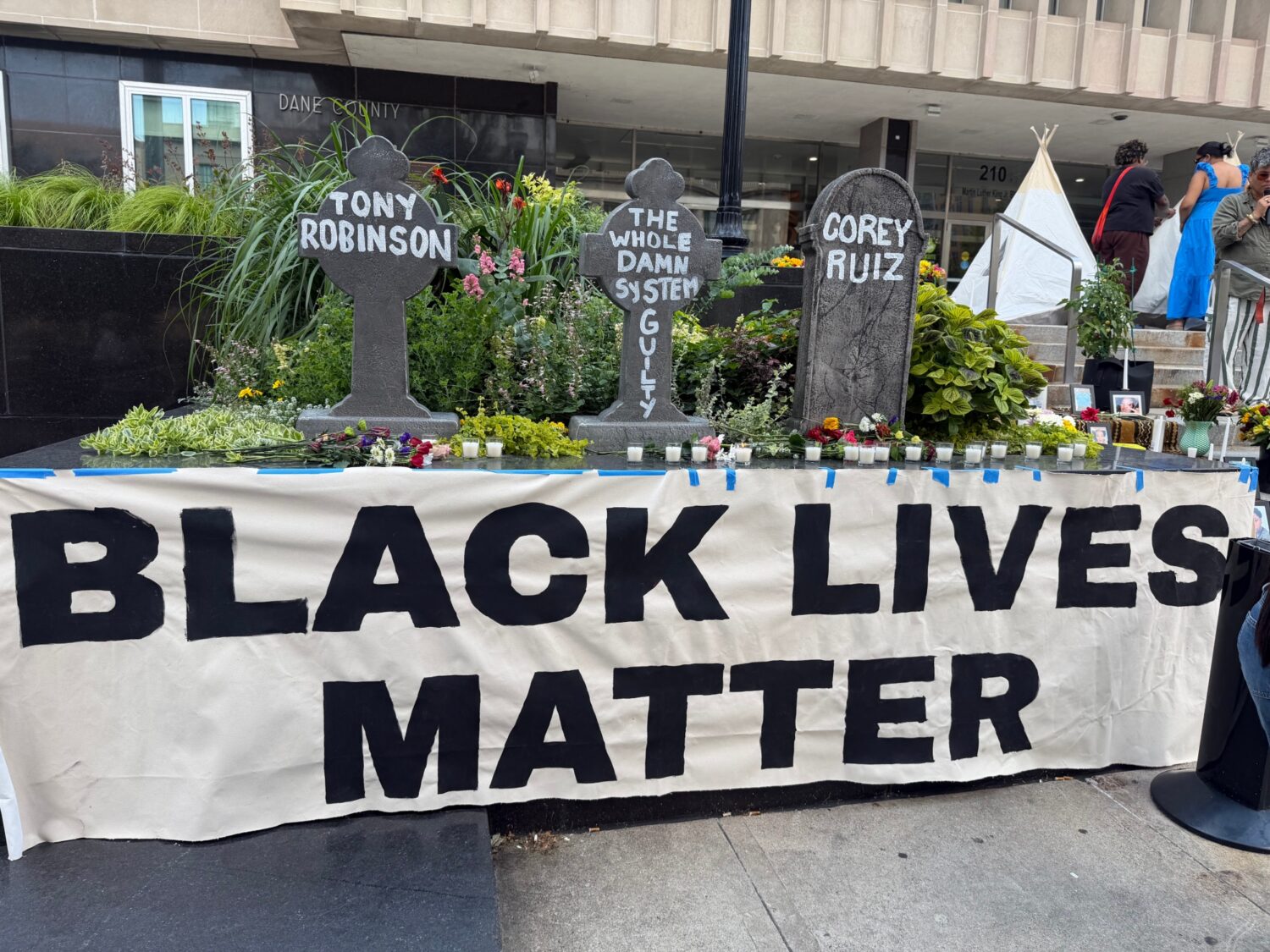
I Helped Build Madison’s Police Oversight Board. I’m Resigning Because It Was Never Given
In a column published on madison365.com, Hope Vang writes that she is resigning from the City of Madison’s...

Shelby Boisjoli-Meged Qualifies for 2026 NFBR in Fort Worth
Shelby Boisjoli-Meged has punched her ticket to Fort Worth, Texas, securing her seventh appearance at the National Finals...
Jean Astrup Folsom Passes Away at Age 94
Before winter’s onset, during a spate of perfect fall days, Jean Astrup Folsom passed away quietly on October...