Vermont’s Bird-Friendly Maple Program added 16 producers this summer, pushing statewide enrollment past 100 operations for the first time, Audubon reported.
The expansion brings another 2,800 acres under bird-friendly management, lifting the state total to 15,000 acres and the national footprint above 20,000 acres, according to Audubon’s Bird-Friendly Maple team.
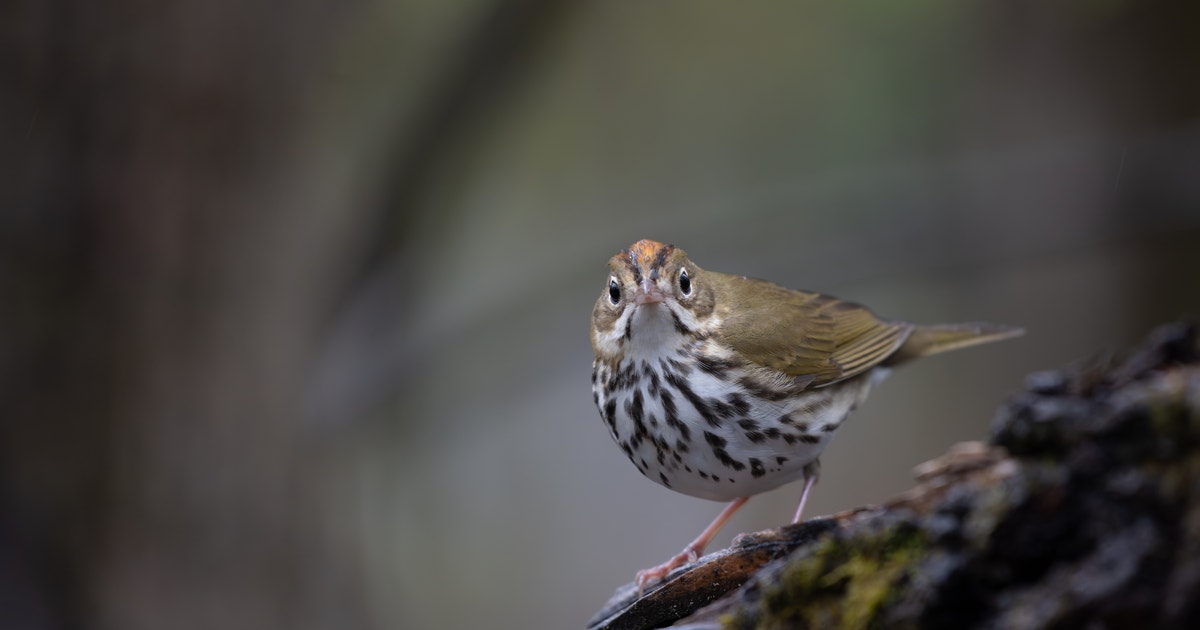
Among the new entrants, Starbuck Farm in Pomfret yielded a striking find during a June inventory: an active ovenbird nest with four eggs tucked into the sugarbush’s deep leaf litter. Ovenbirds need that undisturbed duff layer both for nesting material and to hide eggs from ground predators. Audubon staff said that scheduling timber harvests for frozen ground or dry fall months protects the layer.
“Finding that nest confirmed the habitat quality we’re working for,” said Fen Levy-O’Malley, conservation associate with Audubon Vermont, who surveyed the property with landowner Dave Dorrance.
The program also logged a structural first. Audubon Endorsed Forester Allan Thompson carried out the sugarbush inventory for Wisdom Tree in Albany, marking the first time a trained endorsed forester — rather than Audubon staff directly — completed the assessment for a new enrollee. The endorsement program equips consulting foresters to weave bird-habitat criteria into forest management plans, widening the pipeline to landowners.

“Foresters are the primary point of contact for most woodland owners,” Hagenbuch said. “Bringing them into the fold multiplies our reach without adding staff.”
The 18 sugarbushes added this season — 16 new producers plus expanded acreage on two existing operations — span the state from Cambridgeport to the Canadian border, stitching together a contiguous block of managed forest that Audubon says supports a suite of northeastern breeding birds.
Producers in the program agree to maintain structural diversity, retain cavity trees, and time harvests to avoid the breeding season — practices that also bolster syrup yields by promoting tree health and regeneration.

Construction Employment up 1.5% Year Over Year in October, BLS Says
Construction employment rose 1.5% year over year to approximately 8.37 million workers in October, up 124,000 jobs, according...

FederalLawyers.com Ranks Wyoming Business Debt Settlement Firms for 2026
Wyoming business owners staring down a mountain of merchant cash advance payments and vendor bills have a new...

How to Make Cheddar Cheese: 10 Steps from Wisconsin Family Creamery
Gardners Wisconsin Cheese and Sausage stacks cheddar slabs two or three high and flips them every 10 to...

CAA Sends Charleston, No. 23 UNCW to NCAA Men’s Soccer Tournament
Charleston and No. 23 UNCW will both open the NCAA Men's Soccer Championship on Thursday, giving the Colonial...