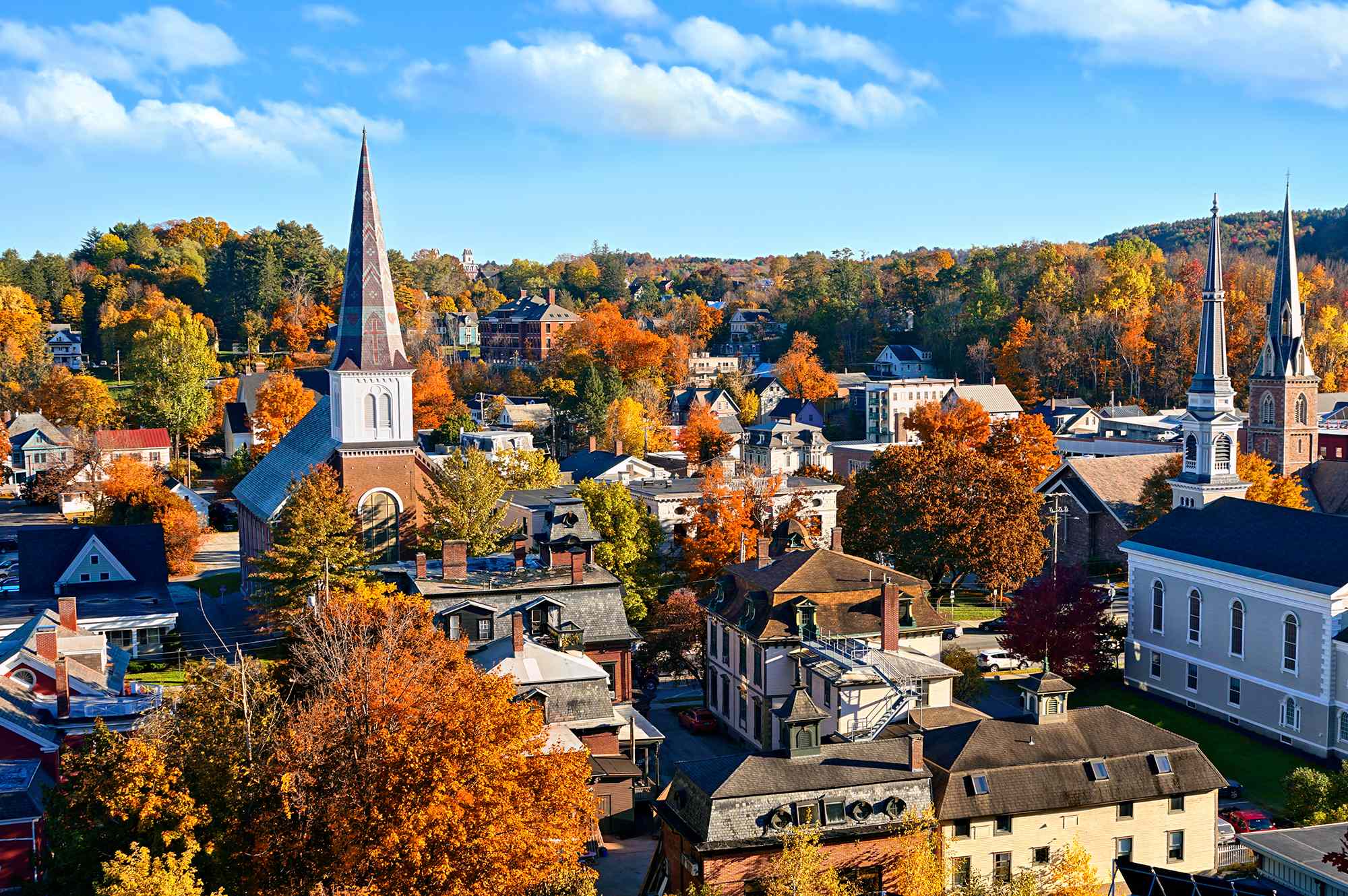
Vermont has been named the safest state in America, according to a new study released by the personal finance website WalletHub.
The rankings, which evaluate states across 52 different safety indicators, place the Green Mountain State at the top of a list dominated by the Northeast. While violent crime across the United States fell by approximately 9.3 percent last year—marking the largest year-to-year decline recorded by the FBI—public safety remains a primary driver for those looking to relocate or retire.
The WalletHub analysis categorized safety into five distinct pillars: personal and residential, financial, road, workplace, and emergency preparedness. Economic stability and low crime rates helped improve Vermont’s top ranking.
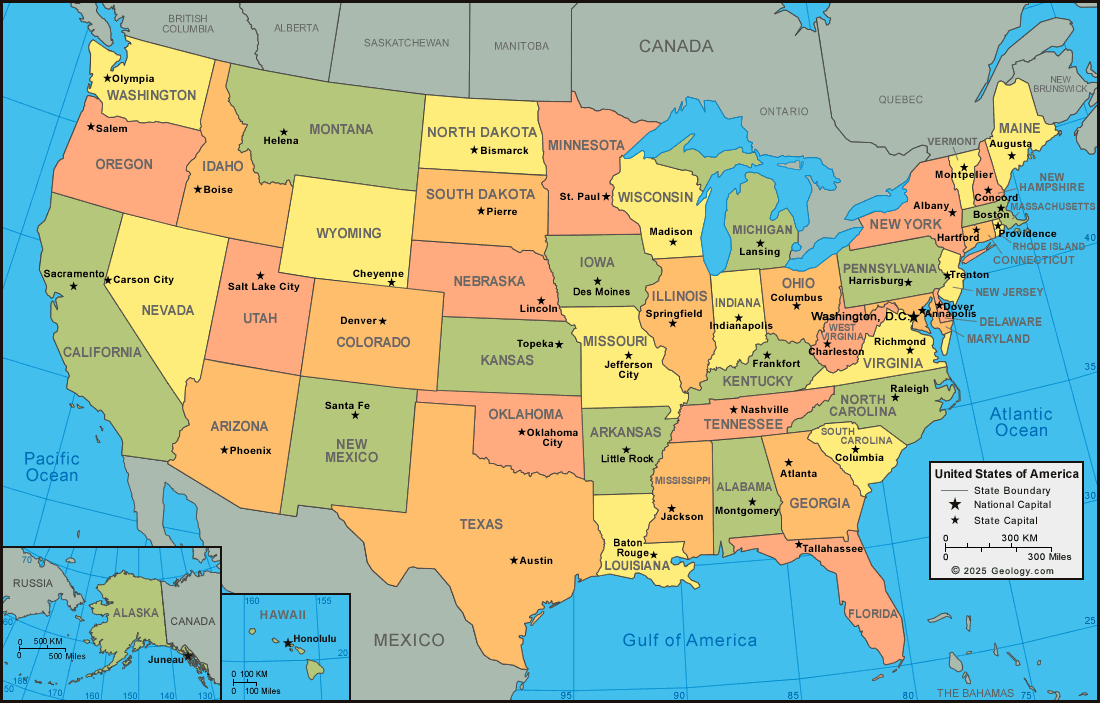
Massachusetts secured the second spot on the list, performing exceptionally well in the category of financial safety. The state reported the third-highest percentage of households saving for unexpected emergencies and ranked sixth nationally for residents setting aside funds for their children’s college education.
Maine followed in third place. More than 72 percent of Maine residents expressed confidence in the safety of their neighborhoods, with a similar percentage believing their local schools are safe. The state also maintains a strong economic profile, boasting the 11th best average credit score in the country at 735.
Vermont’s safety profile is supported by several specific regional strengths:
According to WalletHub’s October 2026 ranking of all 50 states (52 metrics across personal/residential safety, financial safety, road safety, workplace safety, and emergency preparedness), the safest are: 1. Vermont 2. Massachusetts 3. Maine 4. New Hampshire 5. Connecticut…
- An unemployment rate of just 2.6 percent, according to the Vermont Department of Labor.
- The seventh-highest number of neighborhood watch groups per capita.
- One of the lowest rates of identity theft in the nation.
- The fifth-lowest rate of traffic fatalities per 100 million miles traveled.
“The safest states in America protect their residents from harm in a multitude of different ways, from keeping crime rates low and maintaining safe roadways to having strong economies and job markets that prevent people from falling into dangerous financial situations,” WalletHub analyst Chip Lupo said.
Financial health contributed to Vermont's score. The state recorded the lowest share of seriously underwater mortgages and the third-fewest non-business bankruptcies per capita.
The data reveals a sharp contrast between the high-performing Northeast and the bottom of the rankings. Mississippi placed 50th, the lowest in the country, struggling specifically in the categories of emergency preparedness, financial safety, workplace safety, and road safety.
The gap between the safest and least safe states highlights how interconnected economic security is with physical safety. While the Northeast benefits from high savings rates and low unemployment, states at the bottom of the list often face higher vulnerabilities to natural disasters and weaker financial infrastructures.
The study's findings suggest that for many Americans, the definition of a "safe" state has expanded beyond simple crime statistics to include the ability to withstand economic shocks and travel daily without incident.
Related reading
- Analysts: Wisconsin Republicans Shift Away From Election Denial
- Burlington High School Students Report Feeling Isolated in New Building
- Terra Nova Proposes State Bulk Vehicle Orders to Aid EV Access (archyde.com)
- Porzingis Stepped Away, and His $20M Still Counts on Golden State's Cap (daybreakwire.com)

Analysts: Wisconsin Republicans Shift Away From Election Denial
Wisconsin candidates shift away from election denial Republican candidates in Wisconsin largely avoided claims of election fraud during...

Burlington High School Students Report Feeling Isolated in New Building
The isolation of 250,000 square feet Forty percent of students at Burlington High School say they feel less...
Why Tennessee’s Win Over Kentucky Boosts Its Playoff Chances
Tennessee boosted its College Football Playoff chances on Saturday by defeating sixth-ranked Kentucky 34-6. The victory moves the...

Rhode Island Energy Nears Completion of Natural Gas Modernization
Rhode Island gas infrastructure nears completion Rhode Island Energy is nearing the end of a major project to...