
Vermont’s oldest community orchestra returns to two historic venues next weekend for its annual presentation of Handel’s Messiah, a tradition that has persisted since 2009 save for the pandemic years, Rutland Herald reported.
Conductor Lisa Jablow will lead the Vermont Philharmonic, community chorus, and four vocal soloists in Part I, the “Hallelujah Chorus,” and final choruses at 7:30 p.m. Friday, Dec. 4, at St. Augustine’s Catholic Church in Montpelier and at 2 p.m. Sunday, Dec. 6, at the Barre Opera House.
“I think it’s really basically the music and the fact that it’s an oratorio and that provides an opportunity for a lot of people to come together in one place,” Jablow said.
The soloists are Erin McIntyre, soprano; Wendy Hoffman, mezzo-soprano; Neil Cerutti, tenor; and Eric Kroncke, bass. Mary Jane Austin directs the chorus, a community ensemble that assembles specifically for these concerts.
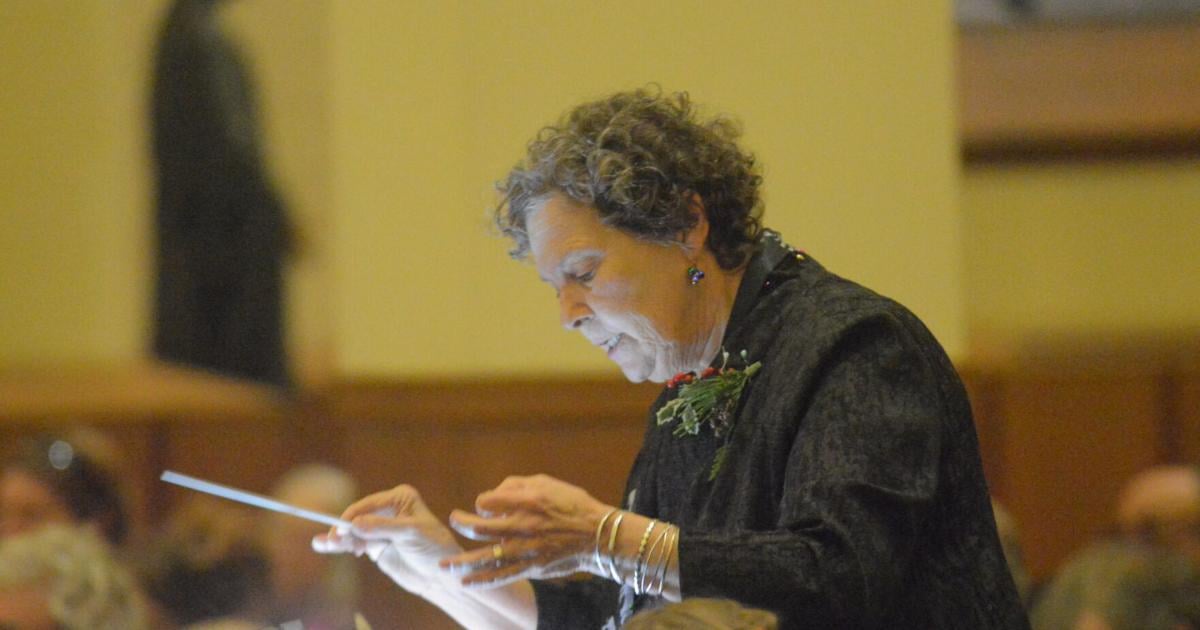
Jablow has added the tenor aria “Thou shalt break them” from Part II this year, placed just before the “Hallelujah Chorus.” “I’ve always loved the aria ‘Thou shalt break them.’ You know, some tenors go, ‘Huh!? Let’s not go there!’ and other people are willing to take it on. And this year, Neil Cerutti was up for the challenge. So that’s something different,” she said.
Personnel turnover reshapes the ensemble each season. “It’s always a different constellation of people,” Jablow said. “There’s a core group of people in the chorus that return every year, but not everybody returns every year, and new people hop on every year. So that’s always nice.”
The orchestra changes, too. “I know that there are new people in the orchestra. I don’t know who the string players are this year. I think the winds are pretty much the same, but there’s always just the changing faces,” she said.
Jablow describes her approach as collaborative rather than prescriptive. When a soloist asked about tempi, she replied: “My response was twofold: I said that my tempo is your tempo. Whatever tempo feels most comfortable for you and where you feel you can do your best work that, that’s my tempo. And here is what I would suggest. So I suggest some tempi.”
Handel premiered the oratorio in Dublin on April 13, 1742, with a London premiere the following year. Charles Jennens compiled the text from the King James Bible and the Coverdale Psalter. Though written for modest forces, the work was later scaled to giant orchestras and choirs of up to 800 performers; Mozart’s “Der Messias” began the re-orchestration trend. Late-20th- and early-21st-century practice has trended toward historical fidelity, though large-scale productions continue.
Jablow acknowledges the authentic-performance movement without adopting it wholesale. “My approach to the music is pretty solid at this point,” she said. “I have a good time, you know. I like the tradition of performing it. I like the excitement that always builds up around it. Everybody’s excited about it.”
Worth a look
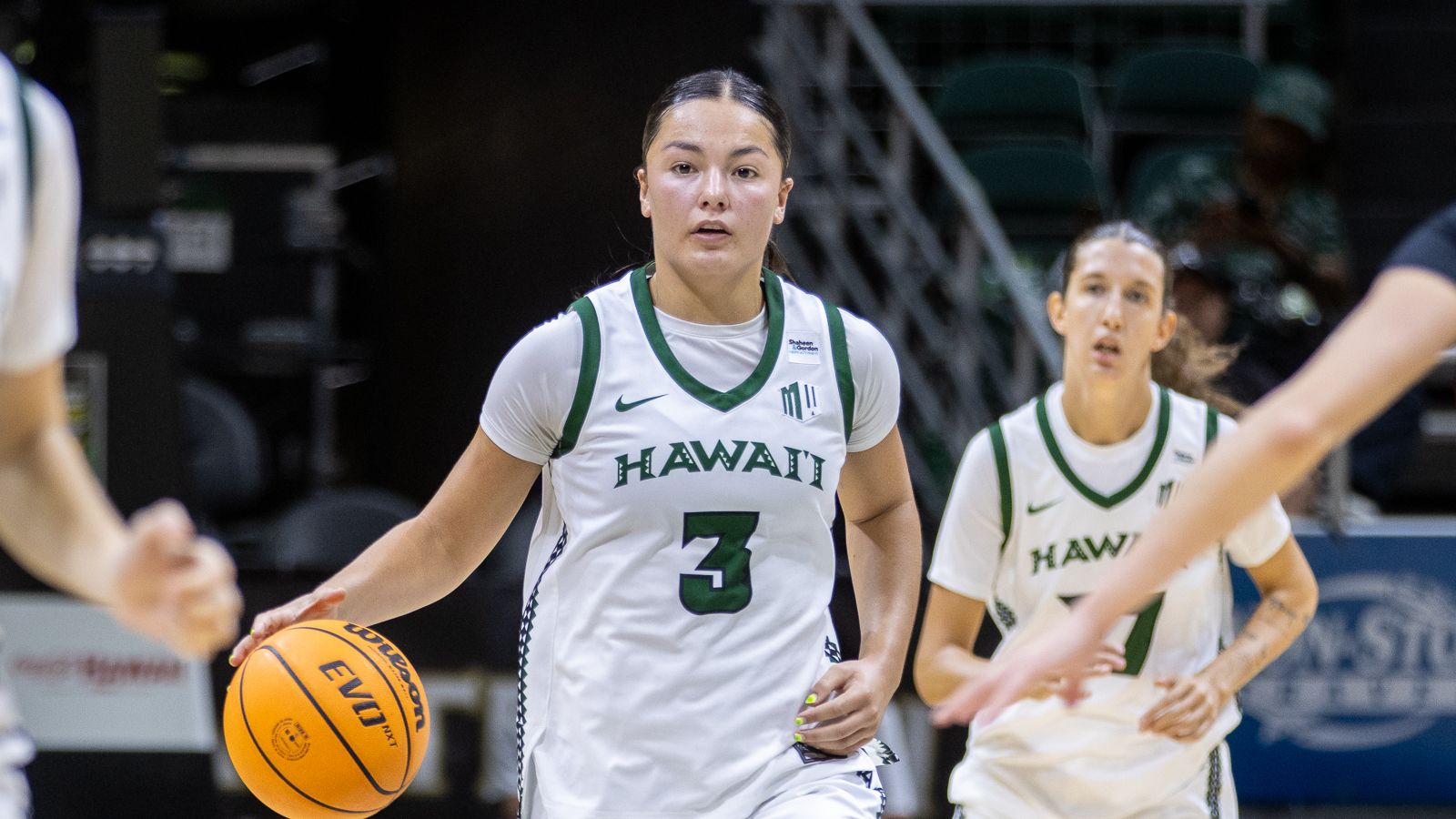
Hawai’i Rainbow Wahine Snap Losing Streak, Beat San Diego State 71-64
Honolulu — The Hawai’i Rainbow Wahine women’s basketball team snapped a three-game losing streak with a 71-64 win...
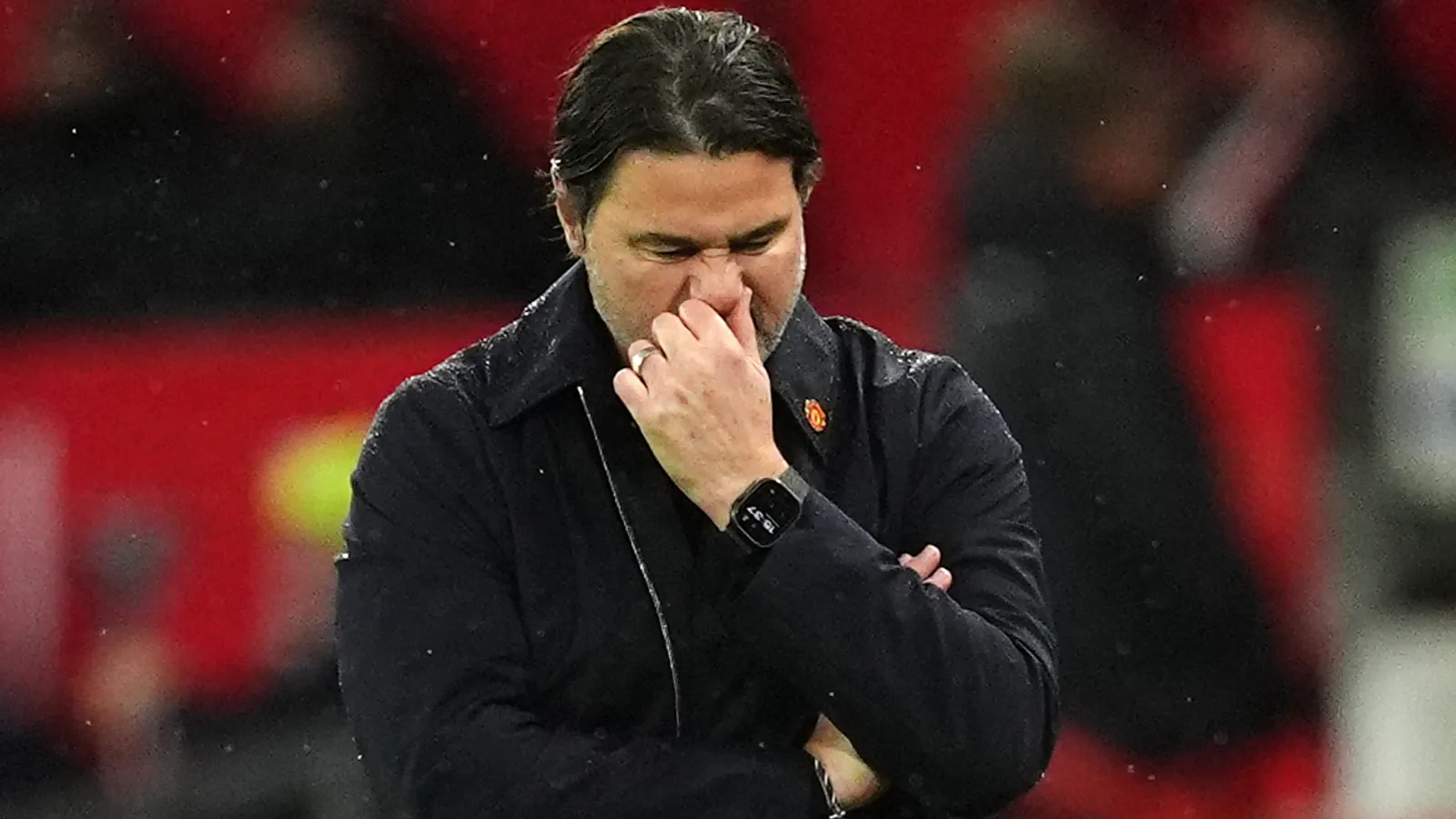
Manchester United Slump to 4-0 Home Defeat Against Brentford, Face Bottom-of-Table Prospect
Manchester United slumped to a 4-0 home defeat against Brentford on Saturday, leaving them 19th in the Premier...

Keep Going Run Virtual Oklahoma City: 5K, 10K, and Half-Marathon Registration Now Open
Registration is open for the Keep Going Run Virtual Oklahoma City, a virtual race offering 5K, 10K and...
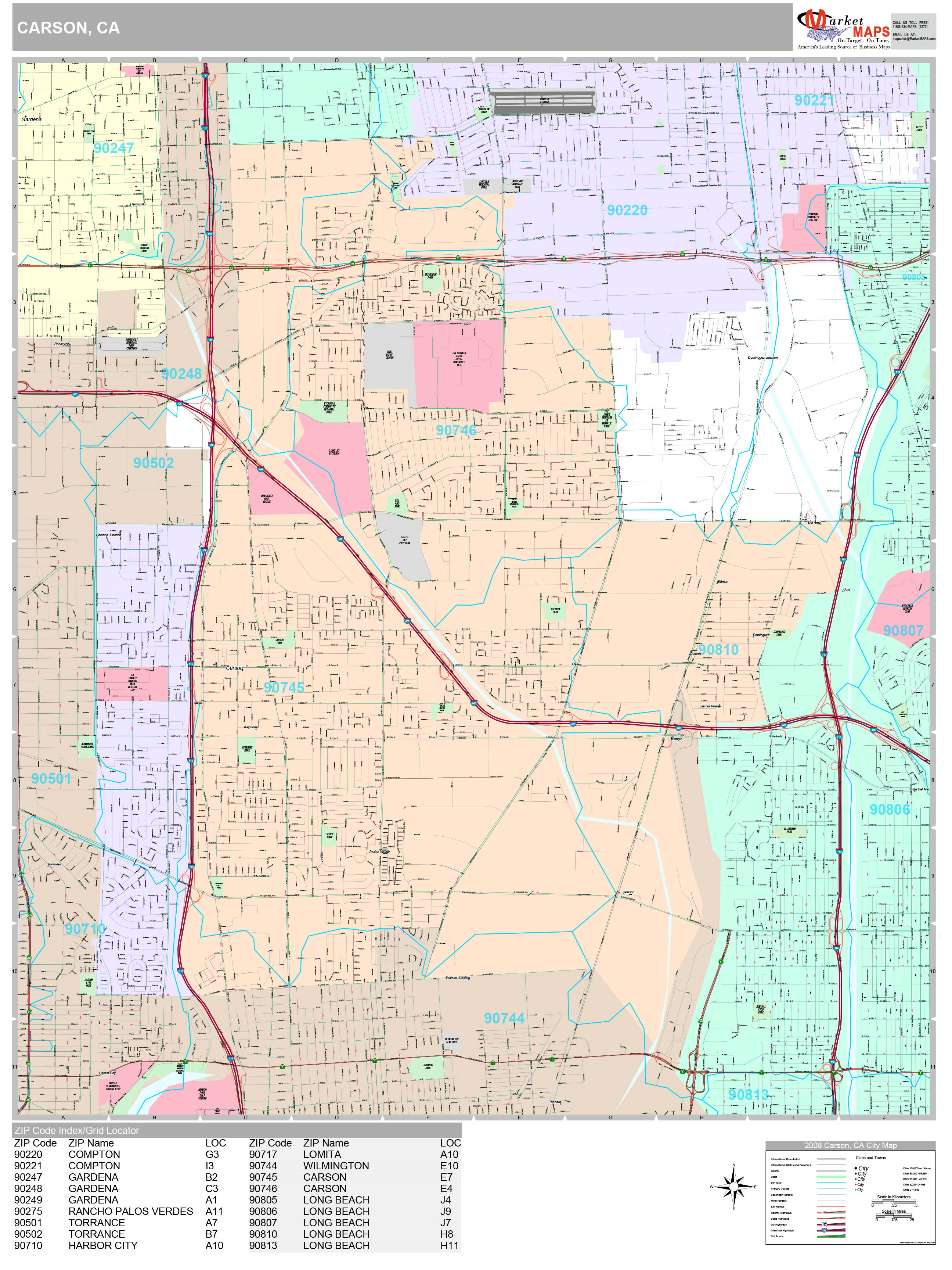
Carson, CA: Addresses and City Information
Carson, California, a mid-sized city in the South Bay region of Los Angeles County, sits directly south of...