
Late November offers a narrow window for dormant seeding, a technique that lets grass seed sit inactive under snow and sprout at the first warm spell next spring, Vermont Public reported.
Soil temperature, not air temperature, must hover around 40 degrees Fahrenheit, and the ground cannot be frozen. “The timing and temperature are critical to success,” the report said.
Site preparation comes first: rake out dead grass and weeds, loosen the soil, and add a thin layer of topsoil. Choose creeping fescues, which establish more readily in the region than bluegrasses. Sow roughly 20 percent more seed than usual to offset loss from late-season rain, slush, and birds.
The seed remains dormant through winter. As temperatures rise and snow melts, germination begins without additional watering or fertilizer, producing grass weeks before a conventional spring planting.
For gardeners moving thyme indoors, the report recommends digging small clumps, shaking off all soil and weed roots to create a bare-root plant, and repotting in fresh potting mix. Keep it well watered for the first few days in a south-facing window or under grow lights. Significant new growth may not appear until days lengthen early next spring.
To prevent blight from returning on cohosh, cut foliage to the ground now, rake the area clean, remove bark mulch, and replace it with compost or fresh wood chips. Next spring, check for crowding; if plants are too close, relocate some perennials to improve air flow and reduce the chance of foliar diseases recurring even in hot, humid conditions.
Worth a look

No. 16 Kentucky Falls to Missouri 28-14, Drops Third Straight After 7-1 Start
No. 16 Kentucky fell to Missouri 28-14 on Saturday night in Columbia, dropping its third straight game after...

Cathedral Catholic Defeats Carlsbad for CIF Open Title; Doyle Ties Section Record
Cathedral Catholic defeated Carlsbad 31-15 Saturday night at Southwestern College to claim the CIF San Diego Section Open...
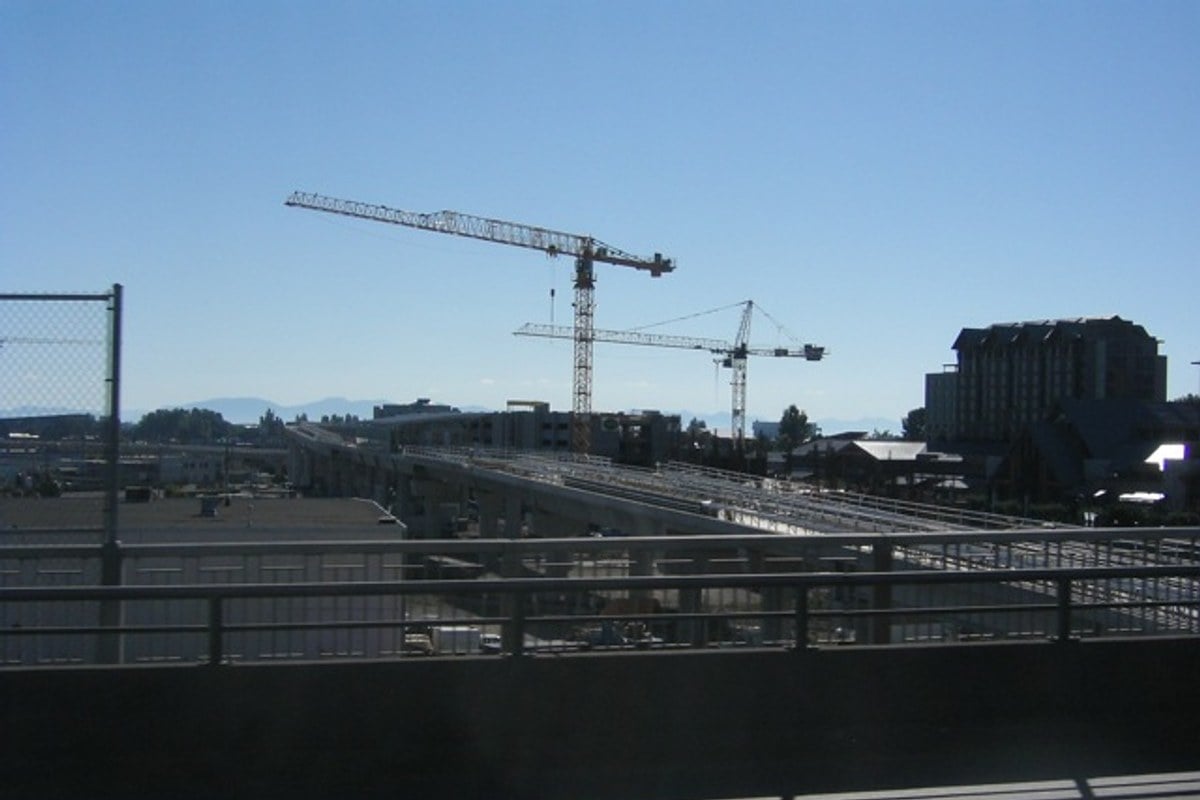
New 16-Story Apartment Tower Proposed for Bridgeport’s Steelpointe Harbor Waterfront Redevelopment
A developer is planning a 16-story apartment tower as the next phase of Bridgeport's Steelpointe Harbor waterfront redevelopment,...
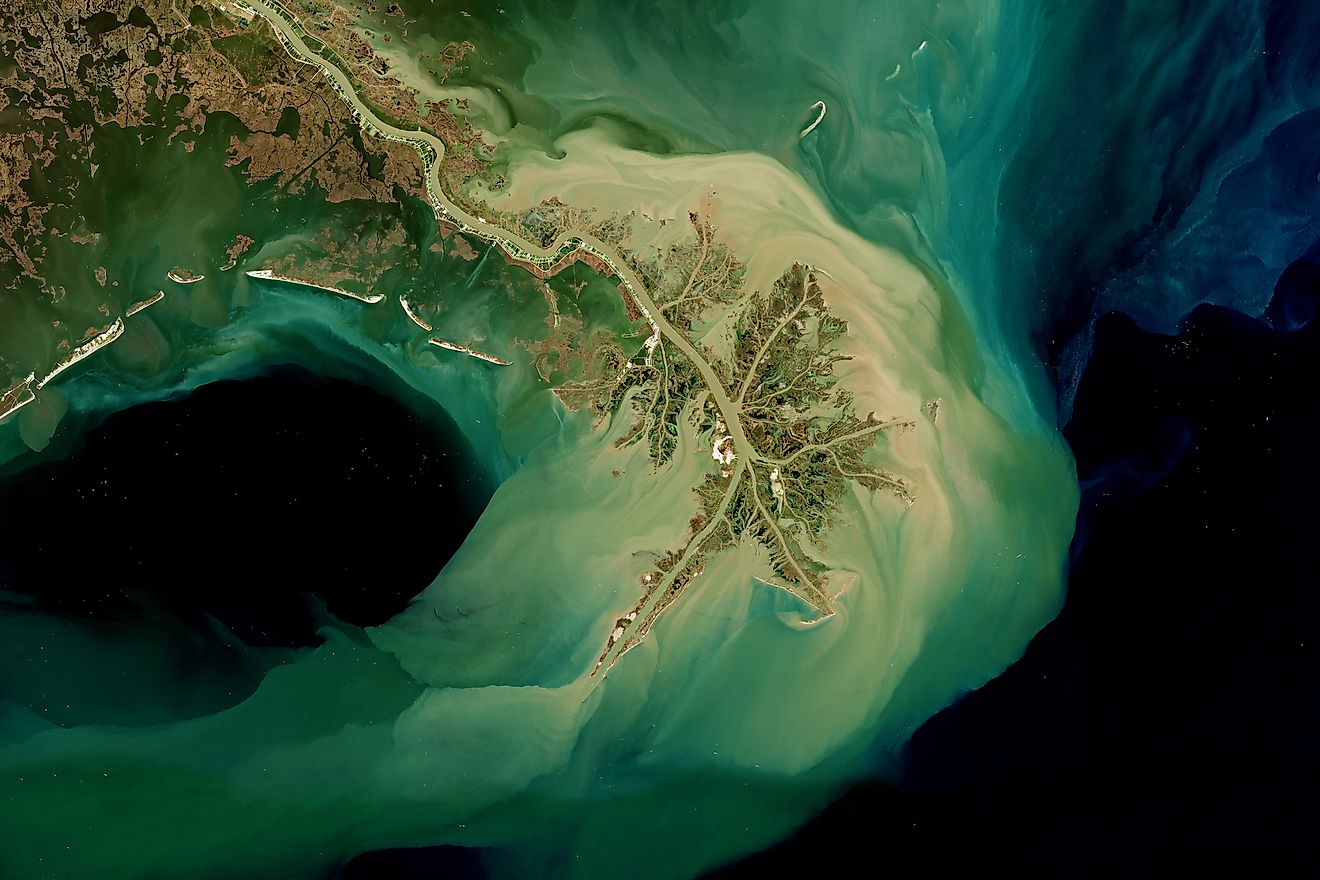
Mississippi River Delta Wetlands, Sediment Flow, and Flood Control History
The Mississippi River Delta meets the Gulf of Mexico near Venice, Louisiana, where freshwater and saltwater marshes span...