
Vermont students posted proficiency gains in English and math for the first time since the pandemic, though the state’s Secretary of Education warned the recovery is leaving some children further behind, WCAX reported.
The 2025-26 report card from the Agency of Education shows 56% of students proficient in English language arts across all grades, up from 48% in 2021. In math, 42% reached proficiency, a nine-point jump from 33% over the same span.
“This follows a long period of declining and stagnant performance. So it is encouraging,” said Zoie Saunders, Vermont’s Secretary of Education. “What we’re also seeing, however, is a widening of the achievement gap. And so while we’re seeing statewide that we’re having improvement, those improvements aren’t reaching all students.“””
Students from economically disadvantaged communities and those with disabilities are falling behind in both subjects, the agency said. The statewide averages mask that divergence: the overall numbers rose while the students who need the most help lost ground relative to their peers.
Saunders said measuring the gap is the first step toward closing it, pointing to programs like Read Vermont and Count on Vermont as the next levers for training and intervention.
Newzly.net, which carried the WCAX account, noted the summary does not break out results by community, income, disability, or language status, so the practical meaning for families depends on data the public release has not yet provided.
The department released the report card five months earlier than last year, requiring Vermont’s 122 districts to submit and certify data on an expedited schedule.
“We can have more timely and useful data to drive decision making for our education leaders, for our teachers, and also for our caregivers and communities to have an understanding of school quality,” said Zoie Saunders, Vermont’s Secretary of Education. The agency said the faster turnaround also deepened engagement with districts, which officials believe will support improvements on the back end.
Chronic absenteeism dropped to 20% in 2025-26 from 25% the year before, according to the agency. Before the pandemic, the rate sat at 18% in 2019-20; it spiked to 42% in 2021-22 before beginning its descent. Last month the state rolled out a three-to-five-year plan to push the average lower, though Saunders said it is too soon to tell whether those initiatives are reflected in the current data.
“The work that we’re doing builds upon successful practices that many of our districts have implemented,” Saunders said, describing a recent statewide planning retreat that lifted up local attendance strategies.
Worth a look

Rocket’s $40-50M Fundraise Collapses After EY Finds Revenue One-Tenth of $60M Claim
Surat-based vibe-coding startup Rocket saw its $40–50 million fundraising round collapse in mid-2026 after Ernst & Young due...

GreekReporter: Up to 50,000 Braved Danger for Ancient Panhellenic Games
Thousands of spectators once braved the rugged, dangerous terrain of ancient Greece, traveling for days to witness the...
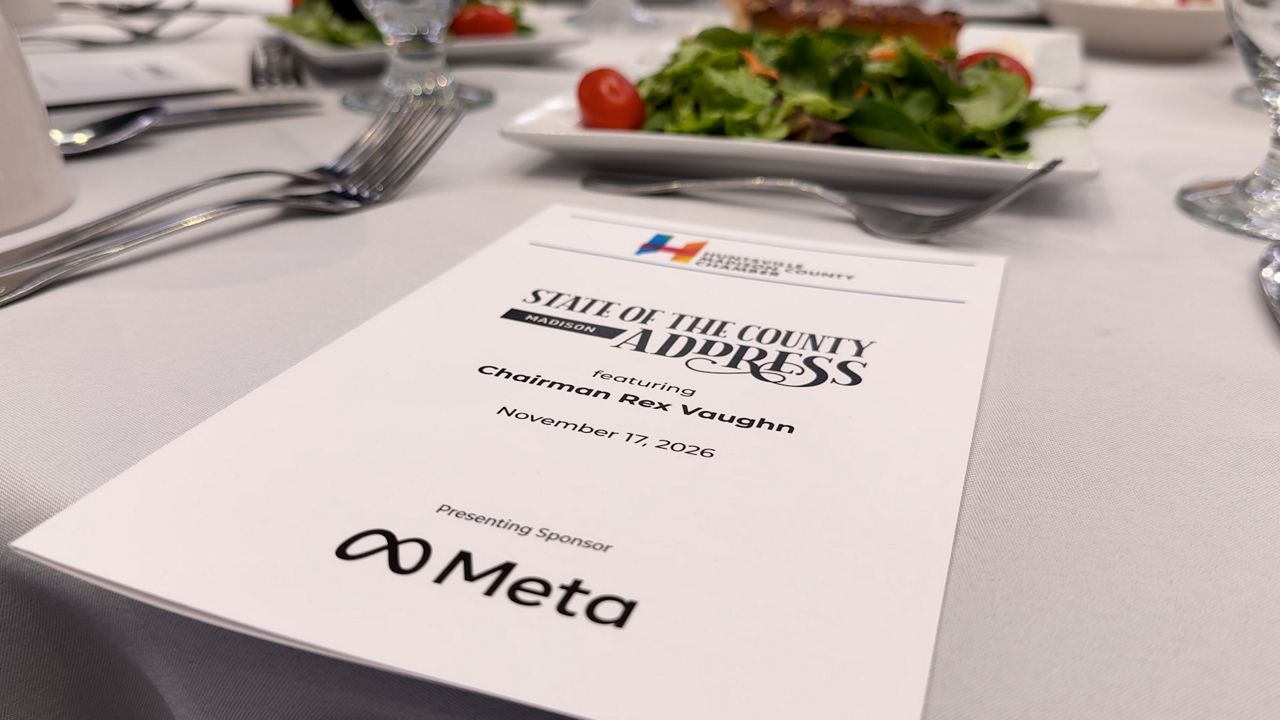
Madison Chair Vaughn Delivers First State of County, Outlines $150M Courthouse Plan
“Our goal is to maintain the roads operating around the courthouse square, that’s the first priority,” Chairman Rex...

Wyoming Guard, Tunisia Partners Strengthen Ties With Visit
C-130 aircraft and military readiness brought U.S. Ambassador to Tunisia Bill Bazzi and members of the Tunisian Armed...