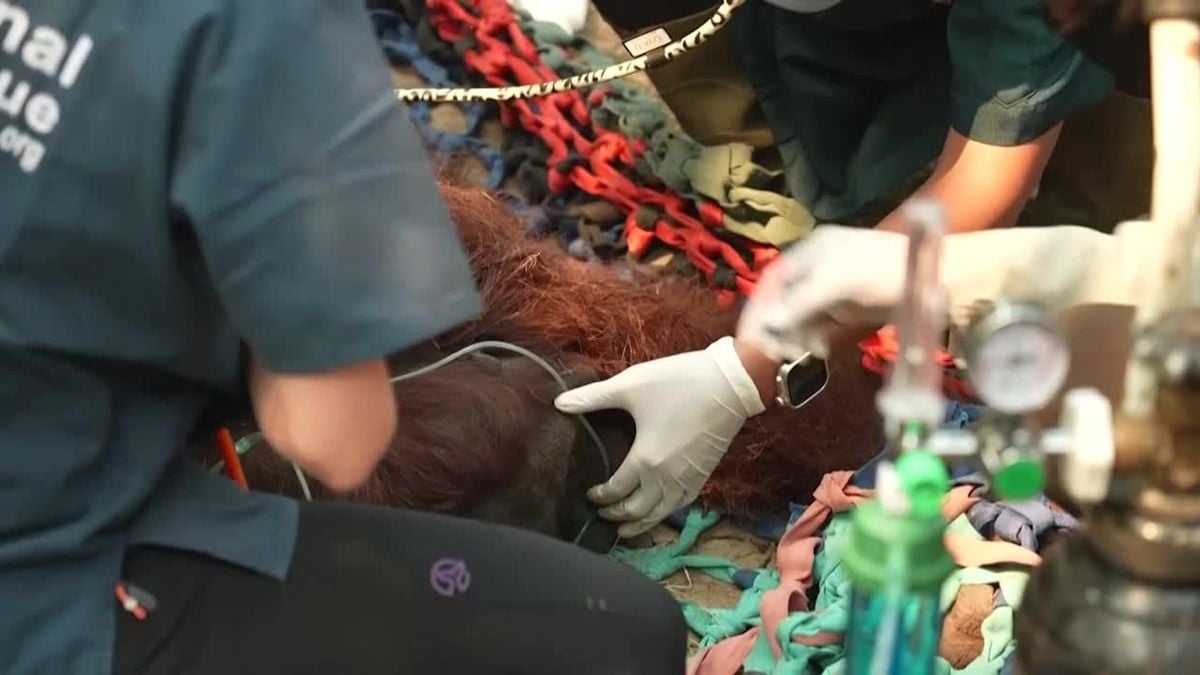
An orangutan found severely weakened near a palm oil plantation in West Kalimantan on August 30, 2026, is receiving emergency treatment for acute respiratory illness caused by wildfire smoke. The rescue highlights the severe ecological toll of Indonesia’s escalating wildfire and haze crisis.
Emergency Rescue and Medical Treatment in West Kalimantan
A 20-year-old orangutan discovered collapsed near a burning wildfire zone is currently recovering after local rescuers and veterinary assistance arrived at the scene. A farmer named Jais first spotted the animal on August 30 at a palm oil plantation in Ketapang, West Kalimantan, as forest and land fires burned nearby.
Rescuers from the Yayasan Inisiasi Alam Rehabilitasi Indonesia Foundation arrived about two hours after the discovery, finding the ape extremely weak before it lost consciousness. Veterinarians identified the animal as Sampurna, named after the village where it was located.
Veterinarian Komara noted that while Sampurna had no severe burns, the animal suffered from breathing difficulties and vomiting following an acute respiratory infection brought on by hypoxia from thick wildfire smoke. Medical teams administered intravenous fluids and delivered oxygen through nasal tubes directly at the plantation site.
Broader Ecological Toll of Indonesia’s 2026 Wildfires
Sampurna is far from an isolated case in a region where industrial agricultural expansion and seasonal fires collide. Wildlife foundation rescuers reported saving seven orangutans directly from the fires, underlining the mounting pressure on Borneo’s displaced wildlife populations.
Official records show that more than 202,000 hectares of land burned across Indonesia between January and July 2026. This widespread burning has generated thick smoke that continues to trigger respiratory illnesses and disruptions across Sumatra and Borneo.
Karmele Llano Sanchez, chief executive of the wildlife foundation involved in the rescue, warned that authorities must prioritize long-term ecological consequences rather than just focusing on extinguishing active flames. Protecting these habitats remains vital for preserving Indonesia’s biodiversity while simultaneously mitigating transboundary haze risks for neighboring nations like Singapore and Malaysia.
Path to Rehabilitation and Regional Conservation Stakes
Once Sampurna stabilizes completely under veterinary care, foundation plans dictate a transfer to a dedicated rehabilitation center. The long-term objective remains eventual release back into the wild, though frequent wildlife rescues illustrate just how fragile those habitats are.
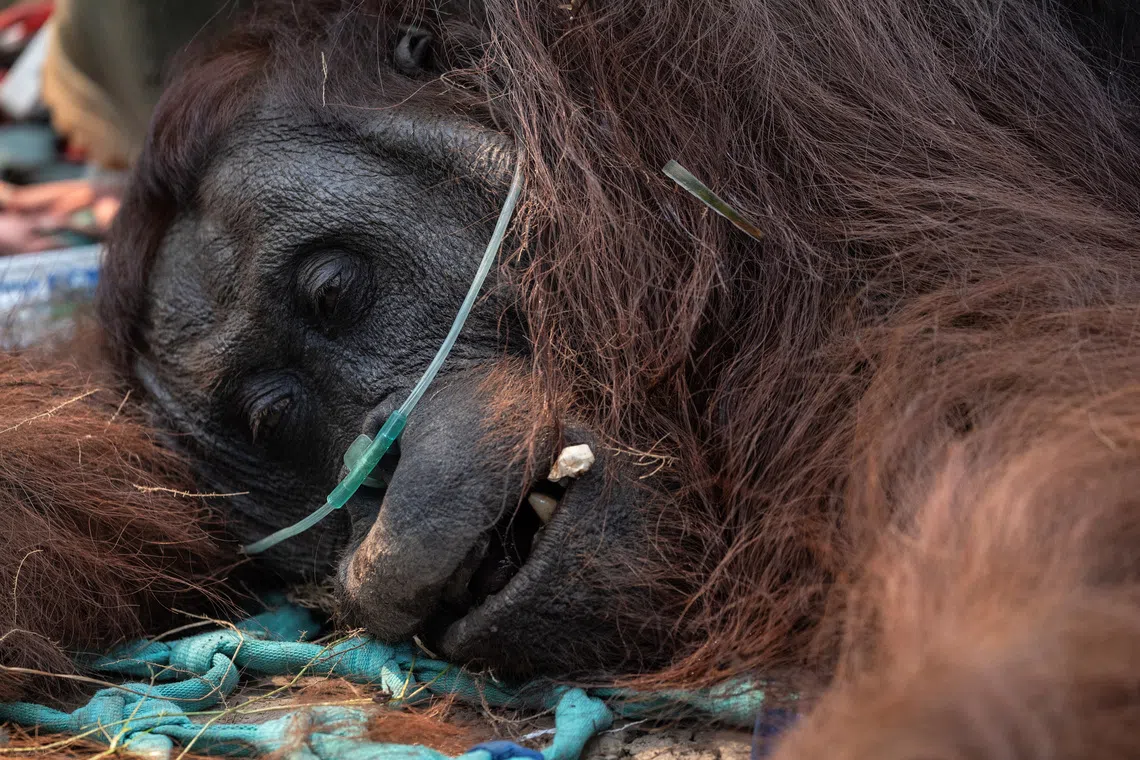
Environmental advocates emphasize that effective safeguards require securing forest and grassland ecosystems across Asia to protect endangered species and maintain vital watersheds. Without rigorous prevention efforts, wildlife populations trapped near agricultural fringes will continue to bear the immediate physical cost of seasonal blazes.
Related reading

Katie Zacharia Leaves White House Role After Five Days
White House press secretary Katie Zacharia is stepping down after just five days in the role.

Bagayoko Shields Students as Protests Spread
Saint-Denis Mayor Bally Bagayoko faces police complaints and political scrutiny after being tear-gassed while shielding student demonstrators in...

Tharman to Lead Singapore’s First State Visit to Sweden
President Tharman Shanmugaratnam is undertaking a five-day state visit to Sweden from October 17 to 21, 2026, marking...

Kings Games Drops Delta Reign Booster Display Box Price by 11%
Preorders for the Pokémon TCG Mega Evolution Delta Reign Booster Display Box are live on Amazon from third-party...